Themed Reads: Quotidian Novels

There are 365 of them in a year, and an untold number in a life – days. And as many days as there are, that’s how many cliches there are about them. They’re long, but the years are fast. Saturday and Sunday go too quickly; Monday through Friday drag. And so on and so forth. In the space of a single day, there is plenty of room for all sorts of action – even an ordinary, not particularly eventful, day. I love to read quotidian novels – novels that take place over the course of one day – I love to sink into them and be swept along on the tide of hours as the characters move through their rhythms, living from moment to moment and reminiscing on past experiences and encounters. Here are three favorites:
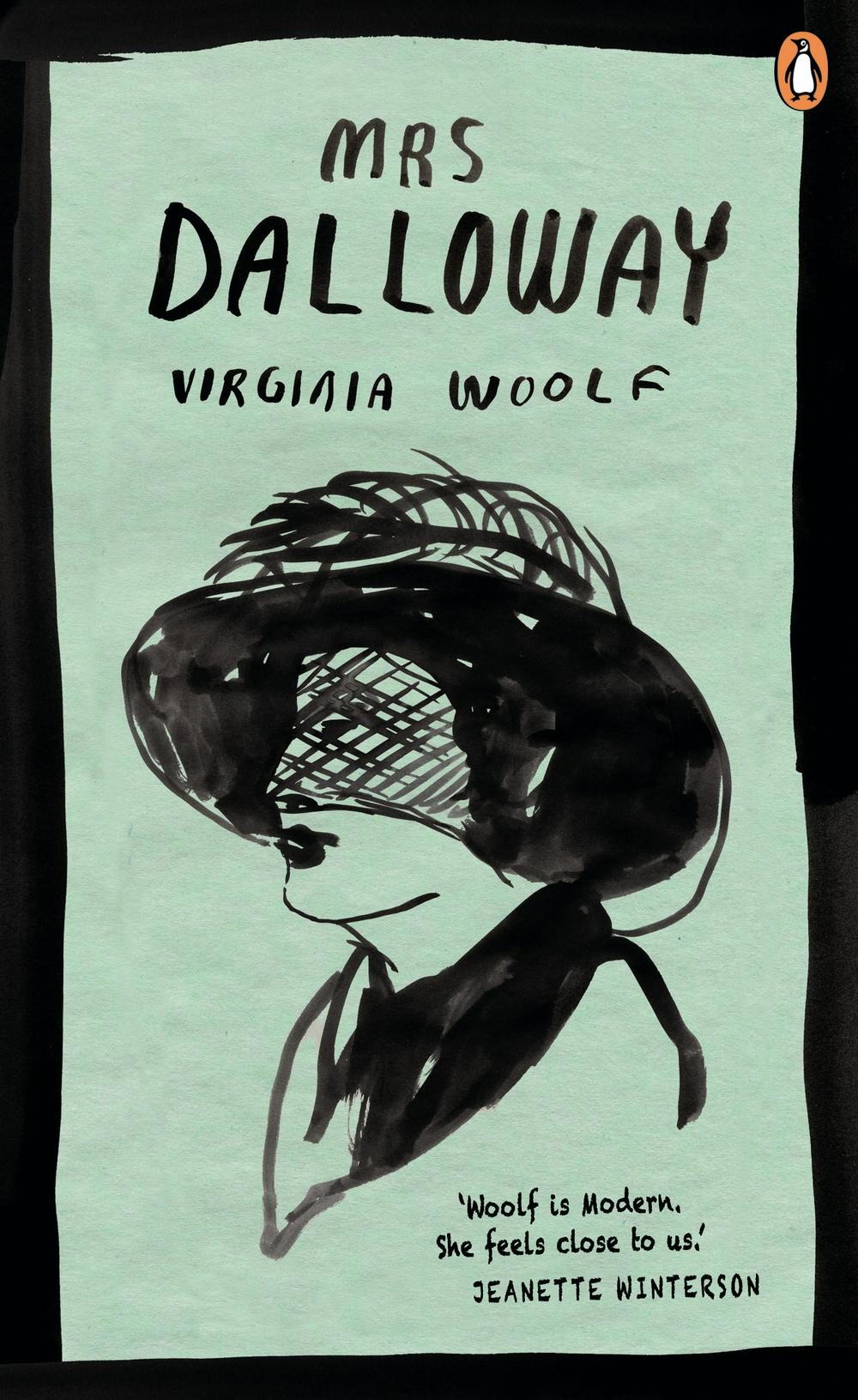
Mrs. Dalloway, by Virginia Woolf, is perhaps the definitive quotidian novel. The novel opens in the morning; Clarissa Dalloway is out shopping and planning for a party to take place later that day. As the day unfolds, Mrs. Dalloway reflects on life, marriage, motherhood, and the impending transition from middle to old age. I’d read several Virginia Woolf novels before attempting Mrs. Dalloway, but never felt like I really “got” them. But as I was swept along with Clarissa Dalloway, Woolf finally started to make sense to me, and I found myself absolutely loving the book.
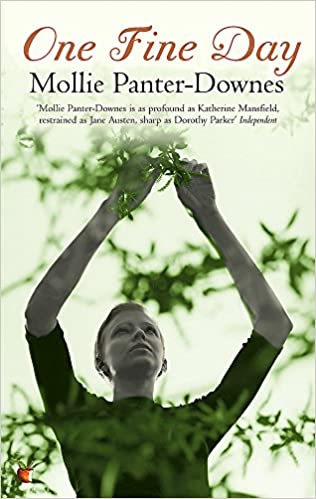
Mollie Panter-Downes’ classic of post-war England, One Fine Day, is as beautifully written, and as captivating, as Mrs. Dalloway. In One Fine Day, the Second World War has just recently ended, and Laura and Stephen Marshall are looking ahead to an uncertain future. As Clarissa Dalloway tremulously confronts the senior years, Laura is similarly tentative in looking ahead to the new post-war world (and there are some poignant meditations on individual aging in One Fine Day, too).

I saved the most fun for last: Miss Pettigrew Lives for a Day, by Winifred Watson, is pure delight from the first page to the last. When the novel opens, the titular Miss Pettigrew is dispatched from an employment agency to a job interview. An indifferent nanny, Miss Pettigrew is ground down by life and circumstances – but all of that changes, at least for the day, when Miss Pettigrew crosses paths with her potential employer, nightclub singer Delysia LaFosse. Miss LaFosse is a sparkling confection of a person, and Miss Pettigrew finds herself tumbling from scrape to scrape as Miss LaFosse careens through her day – occasionally stopping to pinch herself and reflect that this, indeed, is “Life.” I loved every moment of Miss Pettigrew’s day.

What are your favorite quotidian novels?
Themed Reads: An AAPI Booklist

I wanted to do something in honor of Asian American and Pacific Islander Heritage Month, and – of course – my first stop was my booklist. Because what better way to celebrate AAPI achievements than by buying and reading amazing books? (While shopping at AAPI-owned businesses, eating at AAPI-owned restaurants, and supporting diversity and inclusion efforts at work, obviously.) I couldn’t stick to just three, but here are a few of the AAPI-authored books I’ve read and loved in recent years.

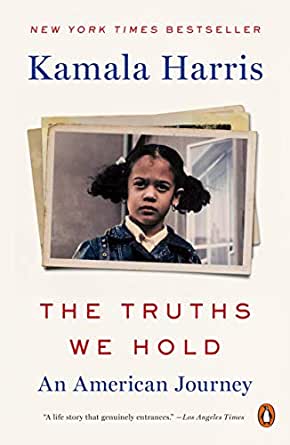
The Truths We Hold, by Kamala Harris – I just recently read Vice President Harris’ memoir. As the first Asian-American and Black Vice President, VP Harris has lived a fascinating and ground-breaking life (and she’s just getting started!). I loved reading about her insights and experiences.

The Joy Luck Club, by Amy Tan – This is probably the ultimate classic of the Chinese-American experience. It’s been years since I read it, but I remember loving it (and eagerly looking around for Waverly Street and other book landmarks when I visited San Francisco in 2009). It’s time for a re-read.

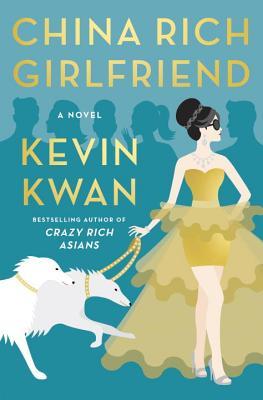
Crazy Rich Asians (trilogy), by Kevin Kwan – It doesn’t get more fun than the Crazy Rich Asians trilogy, in which Chinese-American professor, Rachel Chu, falls headfirst into the world of ultrarich Singapore – via her boyfriend, Nick Young. Rachel’s culture shock, the sweet love story, and the fabulous settings and delicious food and house descriptions combine for a totally perfect trilogy. I loved every page.

Little Fires Everywhere, by Celeste Ng – It was hard deciding whether to include Ng’s first novel, Everything I Never Told You, or this one – but I liked Little Fires Everywhere just a tiny bit better. The encounters between Asian, Black and white neighbors in suburban Ohio are filled with tension. So, so good.

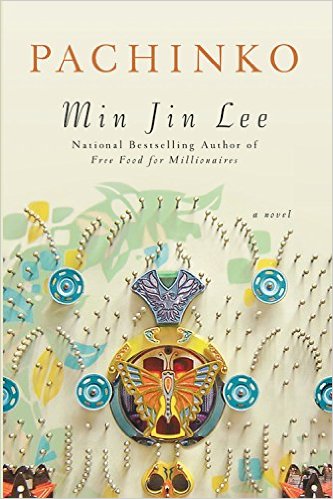
Pachinko, by Min Jin Lee – Family sagas are generally not my jam, but I couldn’t resist this epic, spanning decades from World War II onward. It’s a rich and compelling read.

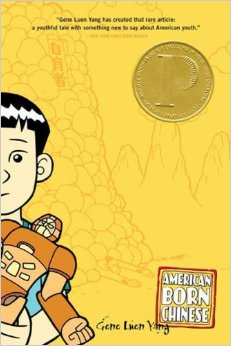
American Born Chinese, by Gene Luen Yang – Yang became National Ambassador for Young People’s Literature in 2016, and American-Born Chinese, dual-narrative graphic novel about the experience of growing up Chinese-American, is one of his flagship works and a wonderful read.

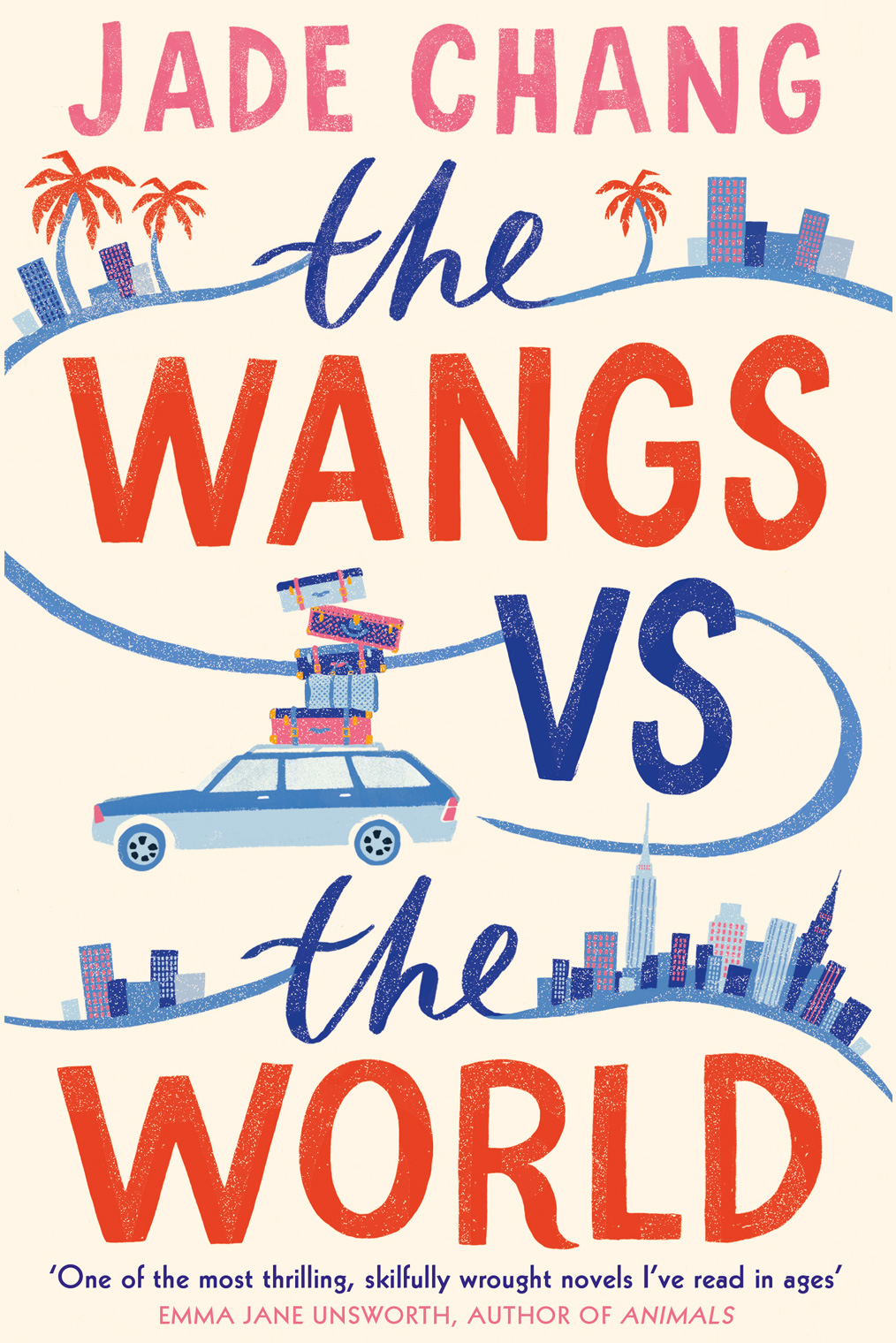
The Wangs vs. The World, by Jade Chang – Fun (and drama-filled) family cross-country road trip taking place during the 2008 economic crisis. The Wangs tumble from super-rich to poor (or probably, really, just regular folks) and find their riches-to-rags story, and their time crammed into one car together on their way to start anew, gives their family a new lease on life. How can you go wrong? I loved this one, and need to re-read it.

The Buddha in the Attic, by Julie Otsuka – We need more historical fiction on this list! The Buddha in the Attic is a heartbreaking story of life in a Japanese internment camp during World War II. Julie Otsuka writes so beautifully.

What are your favorite AAPI reads?

Poetry Friday: The Truro Bear

There’s a bear in the Truro woods.
People have seen it–three or four,
or two, or one. I think
of the thickness of the serious woods
around the dark bowls of the Truro ponds;
I think of the blueberry fields, the blackberry tangles,
the cranberry bogs. And the sky
with its new moon, its familiar star-trails,
burns down like a brand-new heaven,
while everywhere I look on the scratchy hillsides
shadows seem to grow shoulders. Surely
a beast might be clever, be lucky, move quietly
through the woods for years, learning to stay away
from roads and houses. Common sense mutters:
it can’t be true, it must be somebody’s
runaway dog. But the seed
has been planted, and when has happiness ever
required much evidence to begin
its leaf-green breathing?

~Mary Oliver

That’s a wrap on National Poetry Month! Feels fitting to conclude with Mary Oliver. I love the imagery in this 1979 poem. I’ve never seen a bear in the wild, although they’re quite prevalent in the Adirondacks. Up in the Great North Woods, seeing a bear would be less of a matter for commentary than seeing Bigfoot. (For the record: I’ve also never seen him.) But I love the way Oliver, here, nods to common sense – it’s probably just someone’s dog – before dismissing logic in favor of happiness and fun.

Speaking of fun, did you enjoy National Poetry Month?

Poetry Friday: Ballad of a Comeback Kid

I think I’ve posted music during National Poetry Month before – right? In any event, you know how sometimes a song speaks to the exact moment you’re in? I’ve been listening to The New Pornographers’ 2003 album, “Electric Version,” a lot lately, and especially to “Ballad of a Comeback Kid” on repeat. It’s become my anthem of right now.

Ever so careful, on the strip we cruise
Crippled in someone else’s shoes
Who knew? Mind you
I never had to stand in line, you did
For the ballad of a comeback kid

What’s YOUR anthem of right now?

Themed Reads: Pretty Poetry

April may be the cruelest month – rainy, muddy, and (at least in my part of the world) crusted with the evil yellow pollen – but it’s also National Poetry Month, so at least we have that going for us! I have fun choosing poems (and sometimes songs, like this week) to feature on Fridays every year, but this year I’ve been leaning in extra and reading poetry almost every day. It’s been a delight, of course, not least because there are some extremely pretty poetry collections floating around out there. At the risk of enticing you all to judge books by their covers, here are three sets that I’m loving.

Everyman’s Library Pocket Poets. First off, you can’t go wrong with a classic. The Everyman’s Library Pocket Poets collection is popular for a reason. The dust jackets are gorgeous; the small octavo size fits easily into a tote bag – or even a coat pocket – and the volumes are many, widely available, and competitively priced. I don’t have a complete set, by a long shot. But I’ve gradually added to my collection over the years, and I’ve got some gems. My favorite so far is Poems of Gratitude, which I’ve read multiple times (it’s a particularly good choice for around Thanksgiving); next up, I plan to curl up with Poems of Rome.

Candlestick Press “Instead of a Card” Collection. I saw these on BookTube and was immediately enamored. These slim volumes contain ten poems apiece on a particular subject, and come with an extra-large envelope so that you can mail them to a lucky recipient instead of a card. I believe they’re sold in bookshops in the U.K.; I ordered a handful from overseas, via BookDepository. I’ve read Ten Poems about Walking; Ten Poems for Spring; and Ten Poems about Birds thus far – I need to decide whether I’m more in the mood for baking or sheep next. I dream of the day someone actually sends me a Candlestick Press volume instead of a card. In the meantime, it’s BookDepository for me.

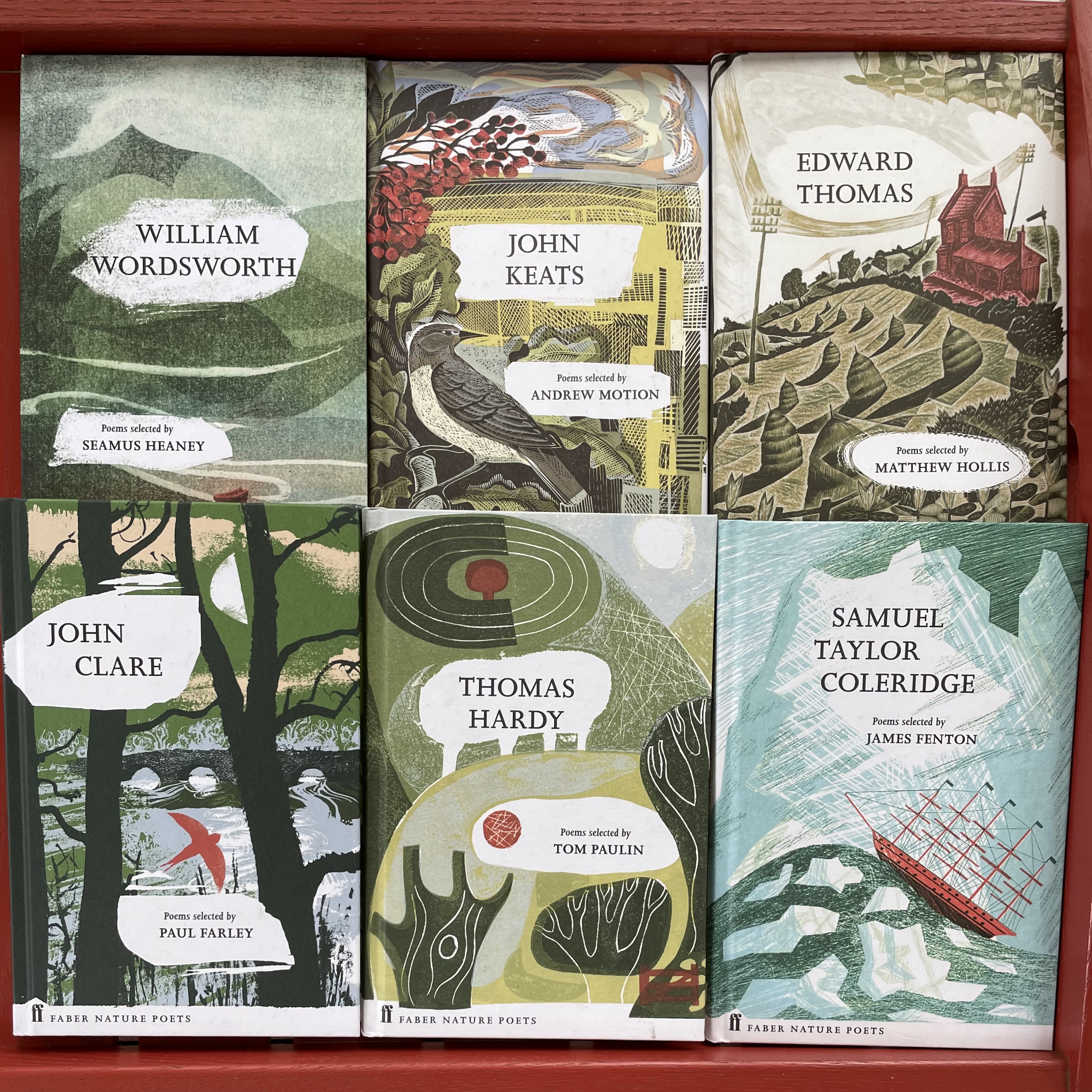
Faber Nature Poets. Of all the themes in the general poetic landscape, I am on record as preferring nature. And since apparently no one does poetry collections better than Faber & Faber, I was naturally intrigued (see what I did there?) by the Faber Nature Poets collection. The set of six volumes – this is a complete collection – features six different poets who focused their writing on the natural world: Wordsworth; Keats; Thomas; Clare; Hardy; Coleridge. Again, these are not widely available in the U.S. (so far as I know – I’ve never seen them in stores) but I was able to get them from BookDepository. I’ve only read the Wordsworth volume so far, but I’m looking forward to curling up with each one in turn.

Volumes of poetry don’t strictly need to be pretty, of course, but it doesn’t hurt. I love seeing these lined up neatly on my shelves, and I’ve been enjoying making my way through each collection in turn.

Do you enjoy collecting pretty volumes of poetry?

Poetry Friday: Harvest Festival

My brain is a bog, and in it there are planted
Seeds bought with money at a fair price,
Education, experience, and a packet of travel,
Taste and intelligence and good advice.

They were planted faithfully, a long time ago,
On a trim, well-weeded, well-watered bed,
And it was hoped by now there would be fine harvest,
But other things have blossomed in their stead.

There are no tall hollyhocks to mark the border,
The red roses have died – they were a total loss,
Only the bog-myrtle is blooming and the wild thyme,
And everywhere the heavy dripping moss.

There is no promise now of carnations or lilies,
But here is a little bunch that will live for an hour:
Marsh-marigolds and mint and water-plantains,
And sprigs of duckweed bursting into flower.

~Virginia Graham

This reminds me of a meme I saw on Facebook not too long ago: a woman lying face-down on a couch, glasses dangling from her hand and a book splayed out on the ground. The caption: “This can’t be the same brain I was using to read 750 page novels in three days in middle school.” So real, it hurts. I have been wondering lately what’s going on with my brain. It seems a smaller and more crowded place than it used to. I blame the pandemic, not to mention work and parenting, jostling for space. Tee-ball schedules, work deadlines, vaccination statistics, house projects, 401(k)s, school laptop connectivity issues, and an officemate who literally babbles to himself all.day.long. (as I type this, he’s sitting next to me repeating “badger badger badger badger badger badger…”) have taken over the entire mental real estate. But at least Virginia Graham can relate. Can you?

Poetry Friday: Lines Written in Early Spring

I heard a thousand blended notes,
While in a grove I sate reclined
In that sweet mood when pleasant thoughts
Bring sad thoughts to the mind.

To her fair works did Nature link
The human soul which through me ran;
And much it grieved my heart to think
What man has made of man.

Through primrose tufts, in that green bower
The periwinkle trailed its wreaths;
And ’tis my faith that every flower
Enjoys the air it breathes.

The birds around me hopped and played,
Their thoughts I cannot measure: —
But the least motion which they made,
It seemed a thrill of pleasure.

The budding twigs spread out their fan,
To catch the breezy air;
And I must think, do all I can
That there was pleasure there.

If this belief from heaven be sent,
If such be Nature’s holy plan,
Have I not reason to lament
What man has made of man?

~ William Wordsworth

Poetry Friday: O sweet spontaneous

O sweet spontaneous
earth how often have
the
doting

fingers of
prurient philosophers pinched
and
poked

thee
,has the naughty thumb
of science prodded
thy

beauty how
often have religions taken
thee upon their scraggy knees
squeezing and

buffeting thee that thou mightest conceive
gods
(but
true

to the incomparable
couch of death thy
rhythmic
lover

thou answerest

them only with

spring)

~ e.e. cummings

Can’t have National Poetry Month without my very favorite poet, e.e. cummings!

Themed Reads: Armchair Adventurers

Well, we have now passed an important, and unpleasant, anniversary: we’re more than a year into pandemic-altered life. COVID-19, of course, has been going on for well over a year already. But it was March 13 (a Friday, appropriately) that life flipped upside down for most of us. Kids were sent home from school and in many cases – including mine – are still learning virtually. Loved ones have been unable to hug one another, work lives are dramatically different, the incidentals of daily life have been completely altered. And travel has been off the table for a long time now.

I’ve written about this before – and I don’t want to seem insensible of my blessings. I am fortunate that everyone in my family is healthy, and my husband and I both have jobs that allow us to work from home, so we’re still employed. And we have the resources available to keep our kids home from school until we make the decision, as a family, that it is safe to send them back – knowing in the meantime that they are getting a high quality education from caring teachers over their little laptops. But there are big and little things that contribute to mental health, too. I miss studio classes at Radiance Yoga and barre3; browsing the shelves at the library; even going to the grocery store (I enjoy cooking, and I like browsing the produce displays and spice racks for inspiration). And I really miss travel. I miss taking in new scenes, tasting different foods, the exhilaration and adventure of the new and untried. Traveling has always been a part of my identity, and something that brought me joy and enriched my life – and we did none in 2020. Steve and I are planning a major bucket-list trip for early 2022, and will probably try to take a family trip over the summer, too. Until then, I’m left scratching the adventure travel itch with… what else? Books.

One of my favorite books of 2020 was Roald Dahl’s memoir, Going Solo. It’s actually the second part of a two-volume memoir, but totally works as a stand-alone. (I didn’t read the first volume, Boy. Reading about Dahl’s school years and the real-life horribles that inspired such characters as Miss Trunchbull or Augustus Gloop didn’t appeal.) Going Solo opens as a young Roald Dahl is departing England for Dar-es-Salaam and his very first job, with Shell Oil. He stays with Shell until World War II breaks out, then leaves his job to join the Royal Air Force. While the first half of the book, in which Dahl and his compatriots bump along rural African roads on calls for Shell, was my favorite (especially the opening chapter and the “Simba” chapter), there’s no shortage of adventure and travel throughout the book.

Another 2020 read, The Grand Tour: Around the World with the Queen of Mystery collects letters and photographs capturing Agatha Christie‘s publicity tour for the British Empire Exhibition in 1922. Christie had just published her first detective novel, The Mysterious Affair at Styles, and between a burgeoning writing career and a young daughter at home, she was worried that she’d never have the chance to travel again – or at least, not when she was young enough to enjoy it. So when her then-husband Archie Christie became attached to the British Empire Exhibition (he was in charge of finances – seems like a big job!) the couple was invited to take part in a world tour to promote the project. Christie jumped at the opportunity, which took her to South Africa, Australia and New Zealand, Hawaii, Canada, and more. The letters she sent home and the photographs she captured – compiled in a gorgeous hardcover edition by her grandson Mathew Prichard – make it clear: she had the time of her life. For bang-for-your-armchair-travel-buck, it’s hard to beat The Grand Tour.

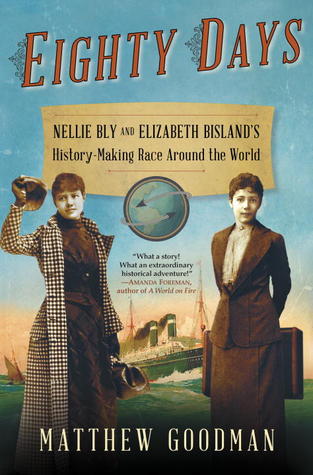
Years ago – long before 2020, that miserable year – I read Eighty Days: Nellie Bly and Elizabeth Bisland’s History-Making Race Around the World, by Matthew Goodman. I should revisit it, because my memories of the book are hazy, although I do recall really enjoying it and finding the story captivating. Bly and Bisland – two intrepid journalists – both embark on a trip around the world, leaving on the same day but heading on different routes. The initial idea is to beat fictional Phileas Fogg, who embarked on a global circumnavigation in Jules Verne’s Around the World in Eighty Days – but the project soon turns into a race against each other. Would Bly come in under eighty days? Would Bisland? Who would finish first? I should definitely revisit this one, because I can’t even recall who “wins” the race; I do remember my impression being that having convinced their respective employers to let them off work and fund a round-the-world adventure tour, both women were winners in my book.

What books are scratching your travel itch right now?

The Life Library: Anne of Green Gables, by L.M. Montgomery

I don’t remember how old I was, exactly, when I first met Anne Shirley – eight, maybe? – but I do remember exactly where I was: curled up in an armchair in the corner of my grandmother’s living room, with her flowing white drapes pooling on the floor behind my chair. I had always loved to read, for as long as I can remember, but was often resistant to Grandmother’s attempts to press books into my hands. Partly, this was because I wanted to play with the interesting knick-knacks in her house; partly it may have been her choices of books like Ben-Hur and Hiawatha, which didn’t interest me much.

Enter Anne. It was a sunny day, and I think I wanted to play outside. Grandmother handed me her copy of Anne of Green Gables, directed me to the armchair, and told me to read one chapter (or maybe two?) and then I could play. I stayed in the chair for hours.

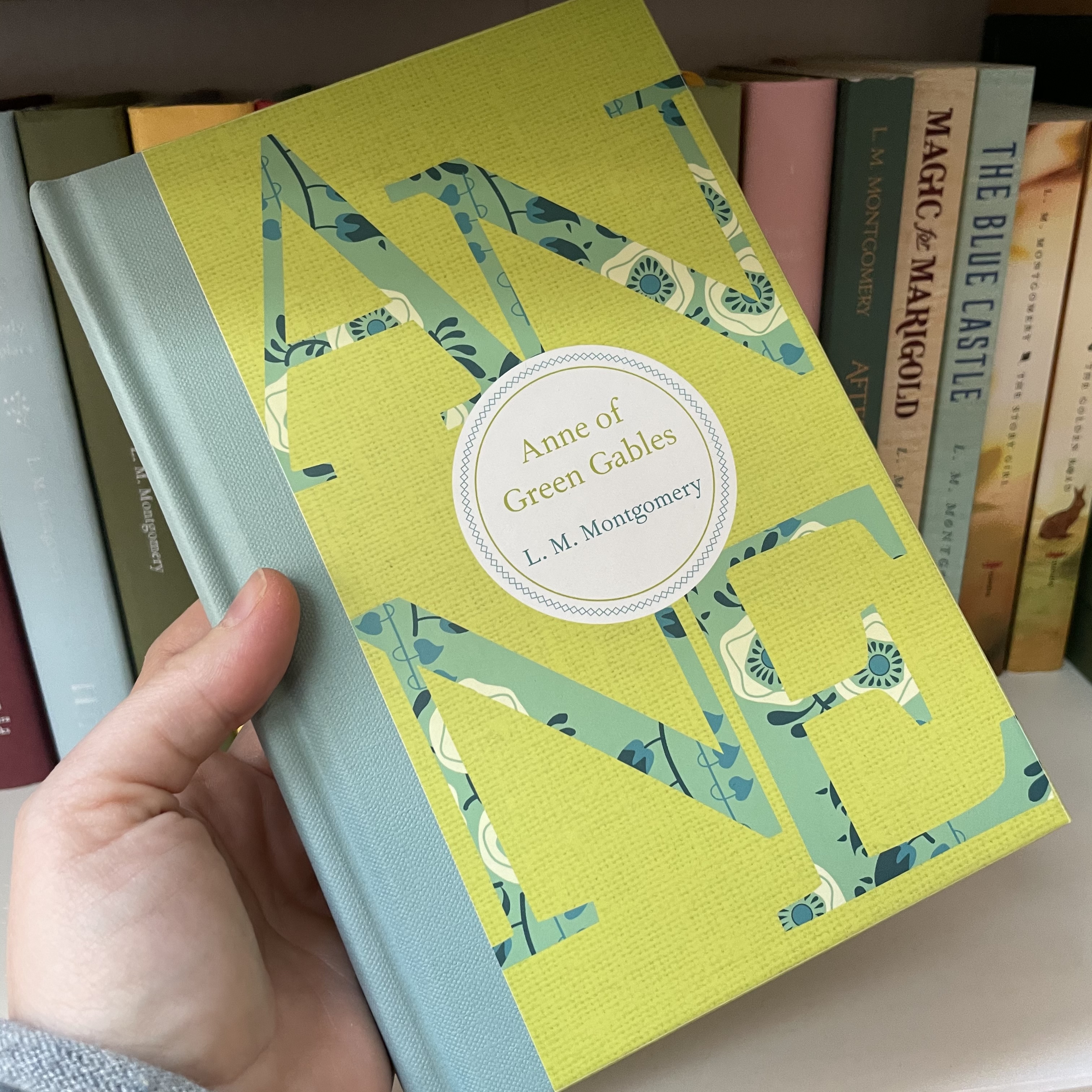
As the years went on, even after acquiring my own copies of the Anne books, I always gravitated to Grandmother’s copy whenever I was at her house. It was this version:

And from that first experience, body in Grandmother’s armchair but spirit riding alongside Anne and Matthew through the White Way of Delight, obsession grew. It’s not a new story, is it? Bookish girl encounters Anne Shirley, acquires religious devotion to Maud, blazes through entire series and onward until all she has left is The Doctor’s Sweetheart.

Well-trodden footpath though it may be, Anne of Green Gables, and the L.M. Montgomery bibliography I powered through after that first encounter, gave me so many durable gifts. Anne is the childhood classic that has proven most enduring into my bookish adulthood. It was the first really beautifully written novel that I also found deeply engaging, and it has stood the test of time and held up to my adult tastes better than other classics I read around the same time – Heidi, for instance, or Hans Brinker or Rebecca of Sunnybrook Farm. L.M. Montgomery sparked my love for beautiful nature writing; a common complaint about Anne, Emily, and the lesser-known Montgomery works is too many sunsets, too many stars sparkling over snowfall, too many rapturous descriptions of gardens. I say, bring them all on – it’s a short step, not even a leap, from Maud’s nature writing to the really beautiful works being written today. And nature writing aside, Anne Shirley and Emily Starr and even Jane Stuart and Sara Stanley all pass the Bechdel test, and they showcase different types of families and profile loving and committed friendships and relationships. All of which explain why I still revisit them all regularly as an adult – and why my daughter is named after a Montgomery heroine.

When I was thirteen and a committed Anne-fan, I went to Prince Edward Island with my other grandmother. Grandmama and Grandpapa took my brother and me along on a bus trip from Boston to P.E.I. and back, with stops in Maine (for Acadia National Park and a lobster bake); Halifax, Nova Scotia; and New Brunswick.

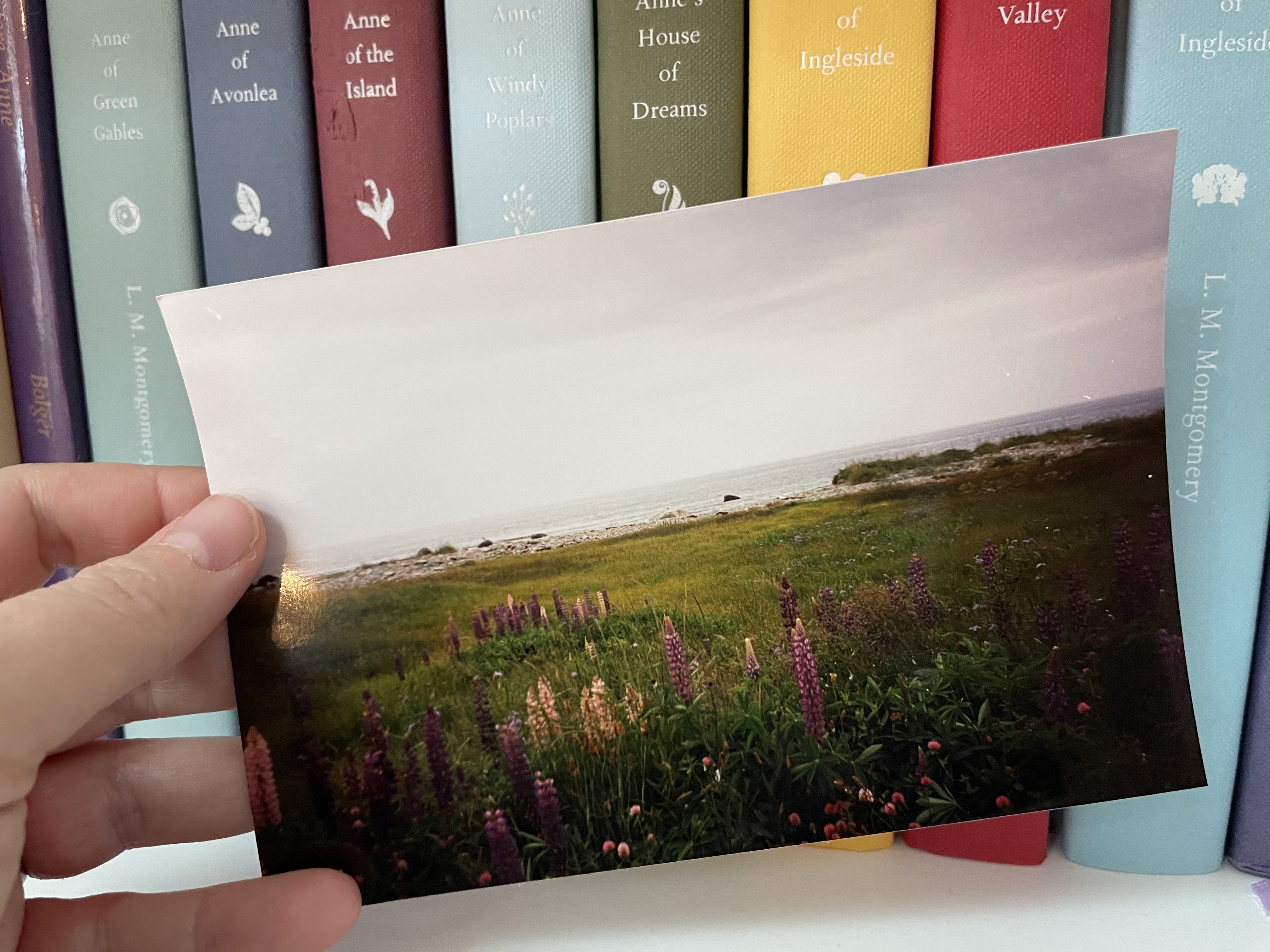
There was plenty to love about that trip. I enjoyed it all, but the highlight was Green Gables: standing in “Anne’s bedroom” with the pretty “sprigged” wallpaper, dreaming up for myself what it would be like to wake up in that welcoming space and lean out the window to greet the day (and the Snow Queen). Close second, the uniquely beautiful P.E.I. nature; I could imagine Anne, Emily, Sara, and friends wandering these shores, the fragrances of lupine and salt mingling to create that special island magic.

On my life bookshelf, Anne of Green Gables has to take the first spot.

What is your most enduring childhood favorite?