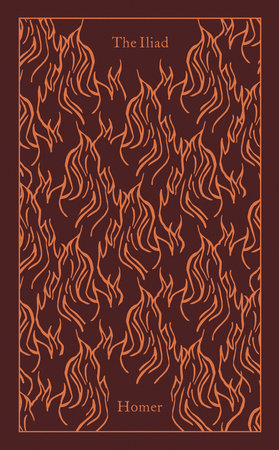
The Classics Club Challenge: The Iliad, and The Odyssey, by Homer

Homer’s two epic poems of the Trojan War and its aftermath, The Iliad and The Odyssey, have been on my to-be-read list for years. Like with Moby Dick, I assumed they would be a major time commitment – and they were. More enjoyable, though – especially The Odyssey.

The Iliad recounts events from the final year of the Trojan War, while The Odyssey tells the story of one of the Greek commanders, Odysseus, and his extended, roundabout, journey home to the island of Ithaca. The Trojan War lasted for ten years, and The Iliad covers only a small fraction of the conflict. We don’t see the beginnings (when Paris carries Helen off to Troy, away from her Greek husband Menelaus) or the end (the famous Trojan Horse).

The Iliad opens with the tenth and final year of the war. There is dissension in the Greek ranks; Agamemnon, the army’s commander, has angered the god Apollo by taking, as one of his spoils of war, the daughter of a priest of Apollo. The priest appears at the Greek camp to plead for his daughter’s return, but Agamemnon doesn’t see why he should give up his cherished prize. Achilles, the most fearsome warrior in the Greek army, argues that the Greeks can little afford to offend Apollo (who agrees, and sends a storm to rattle the army). Agamemnon grumpily caves and returns the priest’s daughter, but he’s furious with Achilles – and to punish him, he confiscates one of Achilles’ war prizes, a young slave woman named Briseis. Now firmly at odds with Agamemnon, Achilles refuses to fight for the Greeks until Agamemnon pays for his nerve and apologizes. Achilles calls upon his mother, the sea nymph-goddess Thetis, who intercedes with Zeus on her son’s behalf.

As the waves of the ocean under a westerly gale race one after the other on to a booming beach; far out at sea the white horses rise, then break and crash thunderously on the shore and, one after the other, the Greek contingents moved relentlessly into battle. Each leader was issuing orders to his own command, but the men advanced in silence. You would not think so large an army was on the march or had a voice, so silent were they in fear of their commanders. Their ornate armor glittered as they advanced, rank on rank.

Zeus agrees to help Thetis show the Greeks what they’re losing by angering Achilles, and he intervenes in the war to turn the tide in favor of the Trojans. While Achilles sits stewing in his hut with his boyhood companion Patroclus, the Trojans – led by Hector – begin to rout the Greeks everywhere. The turning of the tide isn’t overwhelming, though, because plenty of gods are on the Greek side, as well – while Apollo and Aphrodite help the Trojans, Poseidon, Hera and Athena side with the Greeks. The squabbling on Olympus turns into a vicious tug-of-war outside the gates of Ilium.

I won’t tell you what happens – other than to say that Achilles is at the center of it all. His rage at Agamemnon, and love for Patroclus, drives the action throughout the book, even as he himself sits mostly idle. Eventually, though, the war does end, and the Greeks board their “hollow ships” and set off for their respective kingdoms. Most arrive home in fairly short order, to one fate or another. Menelaus and Helen rekindle their love; Agamemnon ends up murdered by his wife and her lover. Odysseus, however, is delayed… and delayed… and delayed.

Despite Odysseus’ diligent pouring of libations over the years, Zeus decides to have a little fun with him on his way home. He ends up washing up on an island occupied by Polyphemus, a feared cyclops. After Polyphemus eats about a third of Odysseus’ crew, Odysseus outsmarts the cyclops, blinds him, and escapes. Odysseus makes it off the island with what remains of his crew, but now he has a bigger problem: Poseidon. Cyclops are children of the sea god, and Poseidon is furious with Odysseus for blinding his son. Odysseus isn’t getting home anytime soon.

He spends the better part of the next ten years wandering, encountering sea monsters and witches, traveling to the underworld, and spending seven years as the prisoner of the goddess Calypso.

There sat Calypso with her braided curls.

Beside the hearth a mighty fire was burning.

The scent of citrus and of brittle pine

suffused the island. Inside, she was singing

and weaving with a shuttle made of gold.

Her voice was beautiful. Around the cave

a luscious forest flourished: alder, poplar,

and scented cypress. It was full of wings.

Birds nested there but hunted out at sea:

the owls, the hawks, the gulls with gaping beaks.

A ripe and luscious vine, hung thick with grapes

was stretched to coil around her cave. Four springs

spurted with sparkling water as they laced

with crisscross currents intertwined together.

The meadow softly bloomed with celery

and violets. He gazed around in wonder

and joy; at sights to please even a god.

Meanwhile, as Odysseus alternately pines for Ithaca and attempts to make it two nautical miles without a shipwreck (Poseidon is really mad, fam) things are not going well at home. Figuring Odysseus is never coming back, twenty noble sons of Ithaca have taken up residence in his house and are attempting to convince his wife, Penelope, to marry one of them. As the suitors eat and drink their way through Odysseus’ wealth, Penelope attempts to evade their attentions and her grown son with Odysseus, Telemachus, stews. Eventually, Telemachus sets off on an odyssey of his own, to try to find out what happened to his father – and whether he will ever come home and expel the “suitors” from the palace. I won’t tell you what happens in the end, except to note that The Iliad was extraordinarily bloody, and it would really be asking too much of Homer to suspend his love of gore for an entire epic.

At the risk of making this blog post as long as The Iliad or The Odyssey, a few final thoughts: I enjoyed both epic poems, but I liked The Odyssey much better than The Iliad. I’m not sure if that was the plot (who doesn’t like a rollicking adventure on the high seas, with goddesses and monsters?) or the translation (I read the new-ish version by Emily Wilson, a scholar at the University of Pennsylvania and – I think – the first woman to translate Homer). The best part of The Iliad was the petty squabbling by the gods of Olympus; I loved those parts but often found myself skimming the sections dealing with the battles on the ground, especially when they got too gleefully bloody for my taste. The Odyssey was more balanced and – frankly – more fun. I am glad I’ve read both, and I’ll probably re-read The Odyssey, at least, but not for awhile. I need to read something shorter, to recover.

Have you read Homer?

Reading Round-Up: March, 2021

Reading is my oldest and favorite hobby. I literally can’t remember a time in my life when I didn’t love to curl up with a good book. Here are my reads for March, 2021.

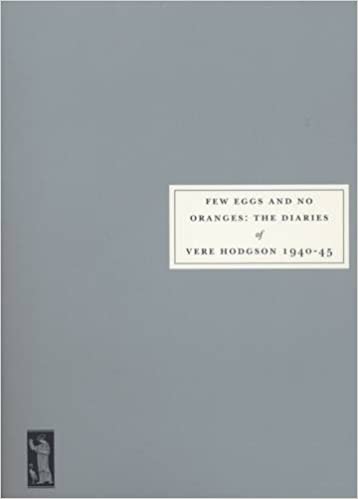
Few Eggs and No Oranges: the Diaries of Vere Hodgson 1940-45, by Vere Hodgson – I’ve had this World War II diary on my TBR for ages – it’s a daunting size, but I finally decided to pick it up. Hodgson’s voice shines through and her meticulous recording of life in London during World War II made for fascinating reading. Whether she’s musing that the city has been “a bit Blitzy” or chronicling the antics of her office cat, she’s an engaging diarist, and this volume really brings her experience to life.

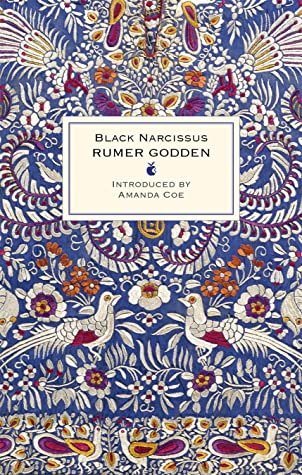
Black Narcissus, by Rumer Godden – I’ll be honest, I picked up this book for two reasons – one, that cover (gorgeous!) and two, because nuns in the Himalaya. Black Narcissus follows a small convent as it tries to establish in the “House of Women,” an eerie mountaintop palace formerly occupied by the local prince’s harem. The house works its unnerving magic on each of the nuns in different ways, leading to tragedy. This was an absorbing and atmospheric read – highly recommended.

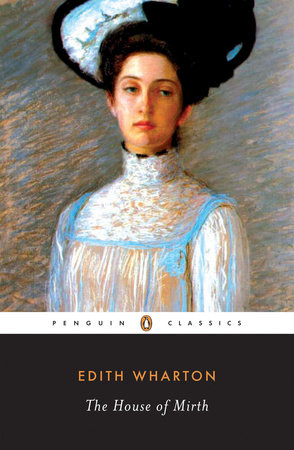
The House of Mirth, by Edith Wharton – I think the general consensus is that The House of Mirth is Edith Wharton’s masterpiece, and I won’t disagree – although I still love The Age of Innocence best. Without saying much here, because I am going to post a full review for my Classics Club challenge, it was beautiful and heartbreaking.

Cheerful Weather for the Wedding, by Julia Strachey – I decided to read this slim volume in March because it takes place on March 5 (another Bloomsbury quotidian novel!). Although I didn’t read it on the date, I did blaze through over the course of one afternoon. It was beautifully written in the experimental Bloomsbury style (the author knew Virginia Woolf, and Woolf was a fan of her work) and, while not destined to be an all-time favorite, was a very good read.

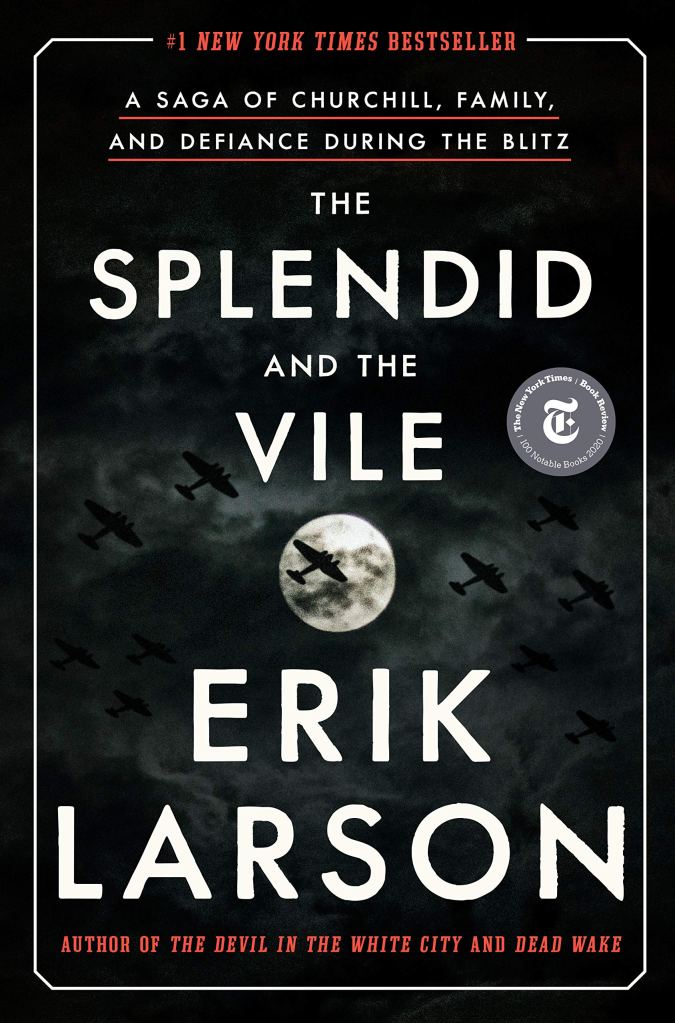
The Splendid and the Vile: A Saga of Churchill, Family, and Defiance During the Blitz, by Erik Larson – I like “dad books” and I cannot lie. (Sorry.) I’ve been looking forward to the latest Erik Larson since the subject was announced, but moved out of my old library system just before my number was called on the holds queue there, and I had to start from scratch in my new county. Worth the wait, though! I loved this look at Churchill through the lens of his family and close friends – especially his daughter Mary and daughter-in-law Pamela.

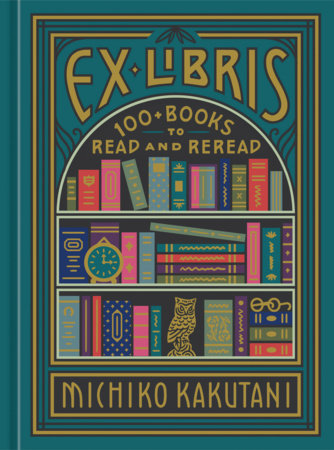
Ex Libris: 100+ Books to Read and Reread, by Michiko Kakutani – An impulse-add at the library, but how could this not be great? Michiko Kakutani is a former Chief Book Critic for The New York Times, and I have always had great respect for her literary judgment. Her tastes are as wide and catholic as you would expect for someone in that role, and I got so many wonderful recommendations from this.
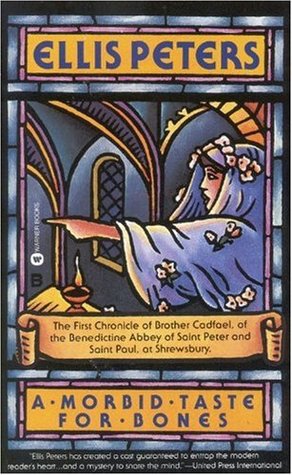
A Morbid Taste for Bones (The Chronicles of Brother Cadfael #1), by Ellis Peters – I first “discovered” Brother Cadfael through a short story in one of my anthologies of Christmas-themed mysteries, and was keen to check out the novel-length version. I loved this! A Morbid Taste for Bones introduces the Welsh monk and his medieval abbey in Shrewsbury, England, describing a journey to Wales to retrieve the relics of a saint for the ambitious prior’s glory and the all-too-human murder that follows. It was a total delight and I loved the historical setting, the strong female characters and the engaging mystery. I did figure out the “whodunit,” but I don’t hold that against a mystery novel – I often guess the culprit and am in it more for the journey than the denouement. I’ll definitely continue with Brother Cadfael.

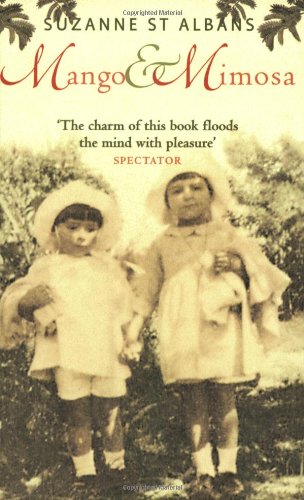
Mango and Mimosa, by Suzanne St. Albans – It has been a few months since I dipped into my Slightly Foxed stash. Mango and Mimosa is a childhood memoir by a French Duchess who seems to have lived a remarkably adventurous life with her eccentric family. Suzanne’s family – hermit Papa, social butterfly Mamma, strict Swiss nanny Marie, brother John and sisters Anne and Christine – split their time between Provence and their estate of Assam Java in what is now Malaysia. Suzanne records all the details of their unconventional life, from scorpions dropping out of the thatch in the “night nursery” at Assam Java to the odd local characters in Provence. It was a total delight and the perfect way to end the month and welcome in spring.

Well, it WAS a month! Bit of a light month in terms of pure numbers, especially when you consider that March is one of the longest months of the year. There were a few working nights and some family stuff that accounts for that. But what I may be lacking in numbers, I can make up for in quality! Everything this month was good – it’s almost hard to choose highlights. I guess I had WWII on the brain, because I suppose the high points of the month were the new (-ish, it came out in 2020) Erik Larson and the Vere Hodgson diaries, both of which focused on the Blitz. Perhaps as the pandemic stretches on and on, I’ve been looking for parallels with another lengthy ordeal, although the differences are obvious. Anyway. The House of Mirth was wonderful as well, and Mango and Mimosa was a delightful way to close out the month – all good, really.

How was your March in books?

Themed Reads: Armchair Adventurers

Well, we have now passed an important, and unpleasant, anniversary: we’re more than a year into pandemic-altered life. COVID-19, of course, has been going on for well over a year already. But it was March 13 (a Friday, appropriately) that life flipped upside down for most of us. Kids were sent home from school and in many cases – including mine – are still learning virtually. Loved ones have been unable to hug one another, work lives are dramatically different, the incidentals of daily life have been completely altered. And travel has been off the table for a long time now.

I’ve written about this before – and I don’t want to seem insensible of my blessings. I am fortunate that everyone in my family is healthy, and my husband and I both have jobs that allow us to work from home, so we’re still employed. And we have the resources available to keep our kids home from school until we make the decision, as a family, that it is safe to send them back – knowing in the meantime that they are getting a high quality education from caring teachers over their little laptops. But there are big and little things that contribute to mental health, too. I miss studio classes at Radiance Yoga and barre3; browsing the shelves at the library; even going to the grocery store (I enjoy cooking, and I like browsing the produce displays and spice racks for inspiration). And I really miss travel. I miss taking in new scenes, tasting different foods, the exhilaration and adventure of the new and untried. Traveling has always been a part of my identity, and something that brought me joy and enriched my life – and we did none in 2020. Steve and I are planning a major bucket-list trip for early 2022, and will probably try to take a family trip over the summer, too. Until then, I’m left scratching the adventure travel itch with… what else? Books.

One of my favorite books of 2020 was Roald Dahl’s memoir, Going Solo. It’s actually the second part of a two-volume memoir, but totally works as a stand-alone. (I didn’t read the first volume, Boy. Reading about Dahl’s school years and the real-life horribles that inspired such characters as Miss Trunchbull or Augustus Gloop didn’t appeal.) Going Solo opens as a young Roald Dahl is departing England for Dar-es-Salaam and his very first job, with Shell Oil. He stays with Shell until World War II breaks out, then leaves his job to join the Royal Air Force. While the first half of the book, in which Dahl and his compatriots bump along rural African roads on calls for Shell, was my favorite (especially the opening chapter and the “Simba” chapter), there’s no shortage of adventure and travel throughout the book.

Another 2020 read, The Grand Tour: Around the World with the Queen of Mystery collects letters and photographs capturing Agatha Christie‘s publicity tour for the British Empire Exhibition in 1922. Christie had just published her first detective novel, The Mysterious Affair at Styles, and between a burgeoning writing career and a young daughter at home, she was worried that she’d never have the chance to travel again – or at least, not when she was young enough to enjoy it. So when her then-husband Archie Christie became attached to the British Empire Exhibition (he was in charge of finances – seems like a big job!) the couple was invited to take part in a world tour to promote the project. Christie jumped at the opportunity, which took her to South Africa, Australia and New Zealand, Hawaii, Canada, and more. The letters she sent home and the photographs she captured – compiled in a gorgeous hardcover edition by her grandson Mathew Prichard – make it clear: she had the time of her life. For bang-for-your-armchair-travel-buck, it’s hard to beat The Grand Tour.

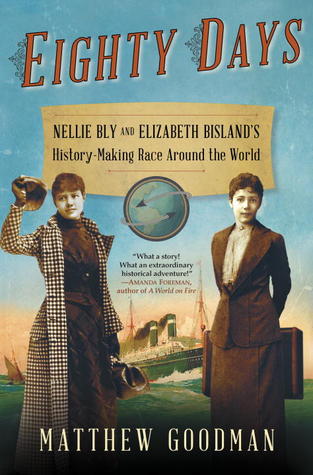
Years ago – long before 2020, that miserable year – I read Eighty Days: Nellie Bly and Elizabeth Bisland’s History-Making Race Around the World, by Matthew Goodman. I should revisit it, because my memories of the book are hazy, although I do recall really enjoying it and finding the story captivating. Bly and Bisland – two intrepid journalists – both embark on a trip around the world, leaving on the same day but heading on different routes. The initial idea is to beat fictional Phileas Fogg, who embarked on a global circumnavigation in Jules Verne’s Around the World in Eighty Days – but the project soon turns into a race against each other. Would Bly come in under eighty days? Would Bisland? Who would finish first? I should definitely revisit this one, because I can’t even recall who “wins” the race; I do remember my impression being that having convinced their respective employers to let them off work and fund a round-the-world adventure tour, both women were winners in my book.

What books are scratching your travel itch right now?

Reading Round-Up: February, 2021

Reading is my oldest and favorite hobby. I literally can’t remember a time in my life when I didn’t love to curl up with a good book. Here are my reads for February, 2021.

My Family and Other Animals, by Gerald Durrell – What a way to begin a winter month! With back-to-back snowfalls, I wanted to read about someplace warm, and Corfu sounded lovely. It was. Durrell’s classic (loosely factual) memoir of five years he spent with his mother and siblings on the Greek island was absolutely hilarious. His writing about the folk and fauna of Corfu was wonderful, but obviously I most enjoyed the hysterically funny scenes featuring his family and their reactions to the never-ending stream of wildlife “Gerry” brought into the house. Poor, poor Mother.

Song of Solomon, by Toni Morrison – To celebrate Black History Month, I finally ticked off a long-standing TBR entry and read Song of Solomon. As expected, it was absolutely mesmerizing. The story of an affluent Black family in mid-twentieth-century Michigan, it packed healthy doses of magical realism and lots of wisdom – I can’t recommend it highly enough. Fully reviewed here.

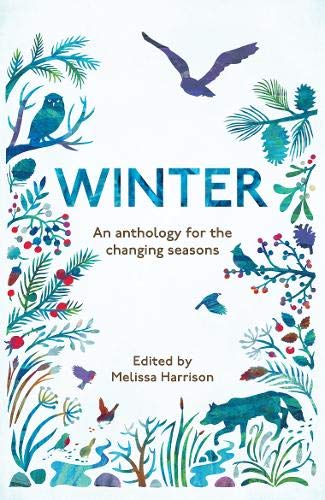
Winter: An Anthology for the Changing Seasons, ed. Melissa Harrison – I have had my eye on Harrison’s collection of seasonal anthologies for months now, and it was time to dive in. Winter is actually the fourth in the series, which I didn’t realize until I had already started it, but you don’t have to read them in any particular order. In Winter, Harrison collects contemporary and historical nature writing, poems, and literary excerpts about the season. They were all wonderful, but it will not surprise you to know that my favorites were the (many!) essays about birds. Also: it may be my fourth favorite season, but when it comes to books I am eagerly anticipating Spring.

Crossed Skis: An Alpine Mystery, by Carol Carnac – A mystery taking place on the ski slopes seemed like a perfect choice for a stretch of wintry weather, and it was. In London, a house burns on a grim and gloomy January day. Inside is a corpse – but police investigation reveals that the victim was killed before the fire. There are a few clues on scene, and one points to the involvement of a skier. A world away, a party of friends and acquaintances is enjoying the bright sun and sparkling snow of the Austrian Alps – but one of the party is not who they claim to be. The action bounces back and forth between the police investigation in London (which caught just a few too many lucky breaks, my only complaint) and the growing unease among the skiing party in Austria. Such good fun, and one I will revisit again and again.

Me and White Supremacy, by Layla Saad – I added this book to my Kindle back in summer of 2020 and have been meaning to get to it ever since. Overall, I found it disappointing. The tone was extremely confrontational, which I think could certainly be warranted, but needs to be combined with useful information; this was not. Each “day” (the book is intended to be a 28-day workbook with journaling prompts) begins by reviewing a concept such as white privilege, white supremacy, white feminism, etc. – all important concepts that should be examined in detail and with honesty and directness. Unfortunately, the examination sticks to the very high-level and never goes beneath the surface. I was expecting more research-supported discussion of government-supported and economic injustice, along with concrete examples of how that injustice can be dismantled. There are plenty of well-researched and useful long-form articles and infographics out there for the finding on subjects like the direct connection between slavery and the so-called “War on Drugs,” or the systematic discrimination in finance and real estate that has led to a growing wealth gap between white and Black families – I know those articles and infographics exist, because I have found and read many of them. I think this book would have been much more helpful if some of those concrete subjects were examined, but they weren’t. Still worth keeping the book around, if for the bibliography and suggested reading list alone. But I don’t think I’ll be revisiting the main body of the book – I plan to check out Ibram X. Kendi’s How to be an Anti-Racist instead, which I hear is better.

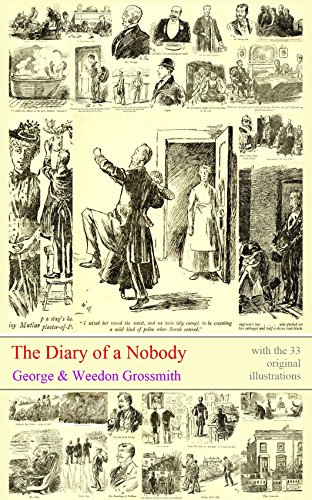
The Diary of a Nobody, by George and Weedon Grossmith – What took me so long to get to this slim little book? Charles Pooter is a mid-level clerk in Victorian London. When Pooter and his wife, “dear Carrie,” move into a rowhouse in the suburb of Holloway, the clerk begins to keep a diary – mistakenly assuming that every tiny detail in his life is (1) worth recording and (2) of interest to future generations and the book-buying public. The result is hilarious. Between the antics of Pooter’s friends – the vulgar Gowing and the bicycle-mad Cummings – his sarcastic ne’er-do-well son Lupin, and the inscrutable Carrie, I laughed at least once on every page. (I loved Cummings, who regularly goes missing for a week or two, then turns up furious that he has been bedridden and none of his friends noticed; his response when they point out that they didn’t know is always, “It was in the Bicycle News.” And Carrie! You can never really tell whether she finds Pooter’s jokes funny, and I love that.) Only complaint: way too short.

Betsy-Tacy and Tib (Betsy-Tacy #2), by Maud Hart Lovelace – A re-read for me, and a read-aloud for me and Peanut. We’ve been gradually working our way through the Betsy-Tacy books and wrapped this one up this month. Just as good as I remembered, and Peanut loved it. It’s been such fun to start introducing her to classic literature – and I think the Betsy-Tacy series is a little more approachable than Anne of Green Gables, even though L.M. Montgomery will always have my heart.

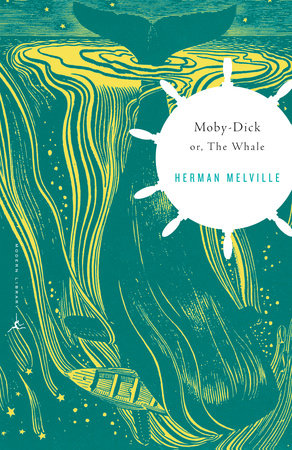
Moby-Dick, by Herman Melville – Read for the Classics Club, and I really didn’t care for it. Although there were flashes of brilliance, most of this doorstopper of a tome was devoted to toggling back and forth between long, dull descriptions of everything you never needed to know about the whaling industry, interspersed with gory cetacean murder scenes. No, thank you. Fully reviewed here.

That Can Be Arranged: A Muslim Love Story, by Huda Fahmy – A graphic novel-style memoir of the author’s meeting, falling in love with, and marrying her husband, this was a quick read and a pure delight. Fahmy opens her memoir by paraphrasing Jane Austen, so you know it’s going to be good. I laughed out loud on just about every page (the cat hotel! so good) and loved every moment. My only complaint: it was too short; I could have read hundreds more pages. I’m definitely going to seek out her other work, and soon.

A Winter Away, by Elizabeth Fair – I have heard such wonderful things about this novel of a collection of misfits, and their various misunderstandings, in a Dorsetshire village in the post-World War II years, and it absolutely lived up to the hype. Young Maud Ansdell has moved in with her elderly cousin and taken a job as secretary to the irascible local squire, “Old M.” Feniston. Maud is intimidated at first, but she soon finds herself growing fond of old M., and of his owlish son Oliver and estranged nephew Charles. As Maud clumsily navigates the village gossip and intrigues, the reader is entranced by marvelous scene-setting and humor on every page. I adored it, and I can’t wait to read more Elizabeth Fair.

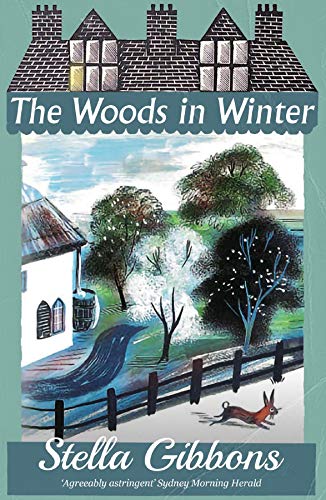
The Woods in Winter, by Stella Gibbons – Another Furrowed Middlebrow title, the last novel Stella Gibbons wrote for publication follows thrice-widowed Ivy Gover from her attic flat in London to a cottage in the countryside. When Ivy first receives a solicitor’s letter explaining that her great-uncle has left her a life estate in his country cottage, she thinks it might be a “take-in.” But it’s not, and soon Ivy – curmudgeonly, solitary, preferring animals to people – is settled in the country, where she encounters everyone from the local Lord to a twelve-year-old runaway. There were moments of humor, but this isn’t an especially funny book. I enjoyed it, but it did suffer in comparison to being read immediately after A Winter Away.

A Gardener’s Year, by Karel Capek – I’ve had my eye on the Modern Library Gardening series for years now, but this slim volume was the first I have actually picked up. I loved it. Between the beautiful writing and the charming line drawings (by the author’s brother) it was a delightful way to spend an evening. The end is poignant – the author reflects on the many years it takes a tree to grow, and expresses a hope that he will see one of his plantings fifty years hence; in fact, he only lived nine years after writing this lovely book, dying at the young age of 48 of a combination of bronchial infection and broken heart after the Nazis were permitted to annex the Sudetenland of his beloved Czechoslovakia.

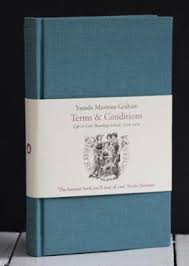
Terms and Conditions: Life in Girls’ Boarding Schools, 1939-1979, by Ysenda Maxtone Graham – I’ve been meaning to get to this one for years now, especially after reading and enjoying Graham’s Mr Tibbets’s Catholic School. Terms and Conditions lived up to its predecessor, and to all the hype that surrounded it (at least in one little corner of the bookish world) when it first came out. I am not a boarding school “Old Girl” myself, but I still found the book fascinating – rather than relatable, for me it was a glimpse into a completely different world, and I loved it. Funny, too, in that dry British witty way. A definite winner, and one I’ll re-read.

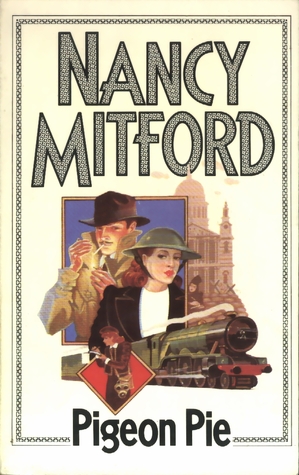
Pigeon Pie, by Nancy Mitford – One of Nancy Mitford’s earliest books, this little volume – barely out of novella category – is a romp. Lady Sophia Garfield has “clear” ideas about what will happen when World War II begins. She pictures herself stumbling through the rubble, searching for “her husband, her lover, and her dog” the moment war is declared. Lady Sophia’s active imagination also casts her as a beautiful spy, but with her rather dull wits, she fails to notice “a nest of German spies” right under her nose until it’s almost too late. Definitely not up to the standard of Mitford’s later works, like her masterpieces The Pursuit of Love and Love in a Cold Climate, but still a fun way to spend an evening.

Well! After a slow January, I guess I more than made up for lost time in February. Fourteen books in twenty-eight days is a fast pace, even for me – and while some were quite short, the work of one evening, Moby-Dick was in there, too. As for highlights, there were several. I had such fun with winter-themed reading this past month, especially Melissa Harrison’s anthology, Carol Carnac’s Alpine whodunit, and of course Elizabeth Fair – a new discovery that brought me such delight. Terms and Conditions was another highlight of the month, and now I can’t wait to read the final Graham currently on my shelves – The Real Mrs Miniver – and to order her newest, British Summer Time Begins, which I am saving for warmer weather, naturally. I’m still having such fun reading through my own shelves, and I’ve got my eye on a few gardeny reads for March and April.

How was your February in books?

The Classics Club Challenge: Moby-Dick, by Herman Melville

I tell you, the sperm whale will stand no nonsense.

That’s a pretty good thesis statement and summing-up of Moby-Dick, right there. Kind of feel like I don’t need to say much more, right? After all, Moby-Dick is such an entrenched narrative in American literature; it has even transcended classic literature and entered the pop culture lexicon. Rory Gilmore reads Moby-Dick in the very first episode of Gilmore Girls. So does Matilda Wormwood – the movie version, that is. There’s even a car insurance commercial currently airing, featuring Captain Ahab (he peers through a spyglass and shouts Thar she blows! at parking spots).

If you need a plot summary, Moby-Dick features a young sailor named Ishmael. (“Call me Ishmael” might be the most iconic opening line in the American literary landscape.) Ishmael has been sailing with the Merchant Marine, but has recently decided to sign onto a whaling voyage, shipping out of Nantucket. The first part of the novel follows his journey to Nantucket to find a ship to sail with. In an inn catering to whalers, Ishmael is told that there are no sleeping quarters available and he’ll have to bunk – sharing a bed – with a sailor named Queequeg. Ishmael and Queequeg quickly bond and become trusted friends – or maybe something more; throughout the book I wondered if there was something going on between those two. (I am not the only one to pick up on those cues. Google “Ishmael and Queequeg.”)

Queequeg accompanies Ishmael to Nantucket, where Ishmael signs them both on to one of the ships getting ready to depart on a three to five year whaling mission – the Pequod. Right away, there are signs all is not quite right with the Pequod. For one thing, the captain is nowhere to be seen. Two retired whalers, Captain Peleg and Captain Bildad, are preparing the ship for departure and give Ishmael a line of vaguely unsatisfying explanations for Captain Ahab’s absence. Ishmael is uncomfortable with the idea of signing up for a multi-year whaling mission without meeting the Captain who will have ultimate authority over him and over Queequeg. The vague unease grows when Ishmael and Queequeg are confronted by a “prophet” – a local Nantucketer named Elijah, who warns them off the Pequod and Captain Ahab. Ishmael waves off Elijah, but has a harder time pushing down his own doubts. He does, though, and ultimately both Ishmael and Queequeg board the Pequod and set off to hunt sperm whales.

Busted, that’s a blue whale.

Captain Ahab does eventually show himself, although that’s not the end of the mysteries aboard the Pequod. But one thing, he reveals right away – his real intention for this voyage is to hunt down and kill a white sperm whale that had previously bitten off his leg. To motivate the crew, he nails a gold doubloon on the main-mast, telling the sailors that the coin will go as a prize to the first one of them to spot the white whale.

“Captain Ahab,” said Starbuck, who, with Stubb and Flask, had thus far been eyeing his superior with increasing surprise, but at least seemed struck with a thought which somewhat explained all the wonder. “Captain Ahab, I have heard of Moby Dick–but was it not Moby Dick that took off thy leg?”

“Who told thee that?” cried Ahab; then pausing. “Aye, Starbuck, aye, my hearties all round; it was Moby Dick that dismasted me; Moby Dick that brought me to this dead stump I stand on now. Aye, aye,” he shouted with a terrific, loud, animal sob, like that of a heart-stricken moose; “Aye, aye! it was that accursed white whale that razeed me; made a poor pegging lubber of me for ever and a day!” Then tossing both arms, with measureless imprecations he shouted out: “Aye, aye! and I’ll chase him round Good Hope, and round the Horn, and round the Norway Maelstrom, and round perdition’s flames before I give him up. And this is what ye have shipped for, men! to chase that white whale on both sides of land, and over all sides of earth, till he spouts black blood and rolls fin out. What say ye, men, will yet splice hands on it, now? I think ye do look brave.”

Most of the crew gets on board with Ahab’s modified mission statement right away; the first mate, Starbuck, is really the only holdout, and he spends the rest of the book trying to convince Ahab to give up on this whole Moby-Dick suicide mission and just hunt regular sperm whales. Ahab, though, is described as “monomaniacal” – I believe the official legal term is kookoo bananapants. He’s singularly obsessed with getting revenge on the whale, even though the idea of revenge against an animal is… pretty ridiculous?

Most of the rest of the book is devoted to toggling back and forth between the Pequod‘s “adventures” (consisting of killing whales, which doesn’t seem to me like a good adventure) and delivering a treatise on whales, whaling, the whaling industry, and basically everything you would need to know if you wanted to become a whaler – which, thankfully, is now illegal under the International Whaling Convention (although there are loopholes that should be closed, and bad actors that violate the treaty). This was where Melville lost me. Having made it through hundreds of pages of Tolstoy on farming in both Anna Karenina and War and Peace, I figured Melville on whaling would be no big thing, but – it was simultaneously horrifying and a gigantic yawn. First of all, most of the “facts” about whales were just wrong. And the chapters upon chapters of Everything Ishmael Knows About The Whaling Industry were so boring that I lost interest in the plot (when there was a plot). Even when the book shifted back to the action – and there was always something exciting going on, storms! pirates! whales! – it didn’t hold my attention, because I was so worn down from the Endless Whaling Information Parade. At one point, after five chapters of the dullest typhoon ever, I looked up from my book, yawned, and remarked to Steve: “Wow, Melville can even make a typhoon boring.” Like a Goodreads reviewer I read, I started rooting for the whale to eat everyone, including Ishmael, just so it would end.

Which brings me to: reading Moby-Dick in 2021, we are all rooting for the whale, yes? If Melville hadn’t lost me with boredom, he would have lost me with his gleefully gory descriptions of hunting down and murdering whales. (Yes, I know whaling is part of our history. But thankfully we know better now – Marine Mammal Protection Act, ahoy.) Being a gigantic whale geek myself, I know that the “monsters” and “leviathans” that Ishamel and friends slaughtered were intelligent beings with a culture and a social structure and family bonds. History or no, I can’t enjoy reading about their murder, especially in the kind of detail Melville pours on the reader.

I recognize that this is a modern perspective that is particularly informed by scientific research in the conservation era, which has made clear that industrial whaling hundreds of years ago has directly, and substantially, contributed to the climate crisis we now face. Whales – particularly the big baleen and sperm whales, the same kinds of whales that Ishmael and his mates gleefully slaughter in Moby-Dick – are uniquely good at extracting carbon from the atmosphere, cooling the planet and counteracting climate change. Meaning that if our oceans teemed with whales the way they did before whaling ships rode the waves, we probably wouldn’t be in this mess now:

Humans have killed whales for centuries, their bodies providing us with everything from meat to oil to whalebone. The earliest record of commercial whaling was in 1000 CE. Since then, tens of millions of whales have been killed, and experts believe that populations may have declined from anywhere between 66% and 90%.

When whales die, they sink to the ocean floor – and all the carbon that is stored in their enormous bodies is transferred from surface waters to the deep sea, where it remains for centuries or more.

In the 2010 study, scientists found that before industrial whaling, populations of whales (excluding sperm whales) would have sunk between 190,000 to 1.9 million tonnes of carbon per year to the bottom of the ocean – that’s the equivalent of taking between 40,000 and 410,000 cars off the road each year. But when the carcass is prevented from sinking to the seabed – instead, the whale is killed and processed – that carbon is released into the atmosphere.

Sophie Yeo, “The world’s largest animals are unusually good at taking carbon dioxide out of the atmosphere,” BBC.com, 19 January 2021

It’s not just the carbon extraction from dead whales, either, the article goes on to explain. Whale excrement feeds armies of phytoplankton that mass on the surface of the water and capture 40% of all carbon dioxide, or four times the carbon dioxide captured by the entire Amazon rainforest. And the absence of big whales in their pre-whaling numbers has impacted other areas of the ecosystem, too, the article explains. For instance, orcas that once preyed on large whales have turned their attention to smaller prey, like sea otters, when whales became less abundant. The sea otter populations then declined, leading to an explosion in the sea urchin population (otters’ favorite food), and the resulting devastation of marine kelp forests – another carbon sink lost. Basically, the roles whales played in balancing the ecosystem were as colossal as they are. When the whaling industry decimated their populations, it placed humanity on a path to our current climate crisis.

All this to say: I have absolutely no sympathy for Ahab, Ishmael, Starbuck, Stubb, Queequeg (that’s right, even Starbuck and Queequeg!), or any of the rest of them. Whether or not they were enthusiastic about hunting Moby-Dick – by all reports a killing machine, GO MOBY GO – they signed on willingly to the idea of murdering (other) whales. And reading the (vivid!) descriptions of slaughtering and butchering whales made me ill.

Lest this review become as long as Moby-Dick itself, I’ll cut it off here. I didn’t care for the book – found it in equal parts boring and disgusting – and won’t read it again. That said, there were flashes of something wonderful; the comedic scene in which the second mate, Stubb, cheats another whaling ship out of their cargo – the beautiful and reverent description of a nursery pod of sperm whale mothers and calves – the poignant scene, just before the climactic chapters, between Ahab and the tragic Starbuck. And occasionally there will be a line or a paragraph that just stuns with its beauty. But that wasn’t enough to rescue the book for me; the combination of florid wordiness and reprehensible violence against cetaceans was too much. I’m glad I read it, because now I can say I have, but I don’t ever need to read it again.

Have you read Moby-Dick?

Themed Reads: Contemporary Voices for Black History Month

I had a different theme in mind for this month – I was going to write about my favorite Jane Austen heroes in honor of Valentine’s Day. But then I read this article in the Washington Post – “Amanda Gorman clearly has talent. But there’s more to her meteoric rise.” And it got me thinking about contemporary Black voices, and Black History Month.

The article begins by discussing Ms. Gorman’s by now well-known and appreciated talent, poise and grace, and goes on to note that throughout history we have had megastar poets, and we’re actually long overdue for a celebrity bard of this generation.

But there’s a caveat. Gorman absolutely deserves her flowers, said [Salamishah] Tillet, who is also co-founder of A Long Walk Home Inc., a nonprofit that uses art to end violence against girls and women, but the reverence Gorman’s receiving doesn’t extend to those who resemble her.

Nneka McGuire, “Amanda Gorman clearly has talent. But there’s more to her meteoric rise,” The Washington Post, February 8, 2021

The article went on to note that while Ms. Gorman is being showered with completely deserved acclaim, a nine-year-old Black girl was pepper-sprayed by police in Rochester, New York. And other young Black girls, with dreams just as valid and beautiful as Ms. Gorman’s, are ignored and disregarded. “The admiration Gorman, poet par excellence, has garnered ‘doesn’t translate into nurturing and uplifting the Amanda Gormans everywhere,’ Tillet added.”

Wow – and so true. So in honor of Amanda Gorman and Black History Month, I thought I would suggest three other Black women writing today – probably not news to anyone, but here are three contemporary novels by Black women that I have loved. Let’s all read these women and then encourage and nurture the next Amanda Gorman.

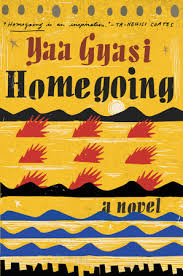
Yaa Gyasi‘s debut novel, Homegoing, was a huge hit a few years ago, but if you missed it then, do check it out now. (She has a new book out – or relatively new – that I have not yet gotten to, but I plan to do so soon.) Homegoing is a kaleidoscopic journey through centuries and across continents. It starts with two sisters in west Africa several centuries ago; one is kidnapped and transported to the United States on a slave ship while the other sister remains in Africa. The narrative switches between branches of the family, profiling each sister’s descendants through the decades and centuries. I am not a huge fan of family sagas or of switching narratives, so it should say something that I absolutely loved this.

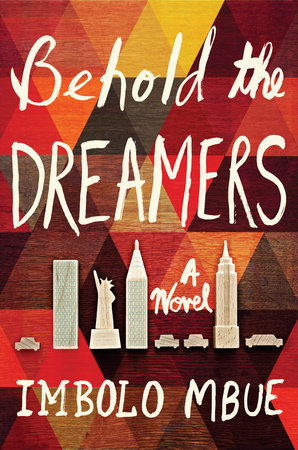
Another debut novel that had a huge moment a few years ago, Behold the Dreamers, by Imbolo Mbue, explored the immigrant experience in New York City through the eyes of one couple, Jende and Neni Jonga. The Jongas, recent immigrants from Cameroon who both work for an affluent Manhattan family, are swept up into the global financial crisis after the collapse of Lehman Brothers. Behold the Dreamers has been described by NPR as “compulsively readable” – and it is. If you haven’t picked this one up yet – do. Mbue has another novel out now, How Beautiful We Were, which sounds wonderful; another one for my TBR.

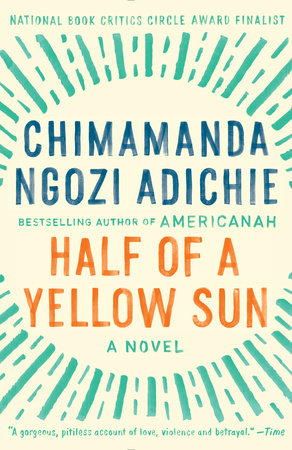
I think pretty much everyone who follows contemporary literary fiction already knows about Chimamanda Ngozi Adichie, and especially about her mega-hit novel Americanah. After loving Americanah, I started working my way through Adichie’s backlist – both her essays and other novels – and I found Half of a Yellow Sun, which explores the Nigerian Civil War from 1967 to 1970, largely from the Biafran perspective. I think I’ve written about it here before, and noted that it was a compelling look into a history that I knew next to nothing about. Purple Hibiscus is the next Adichie on my TBR and I plan to tackle it soon.

There are so many talented Black women writing today – it was so hard to choose only three books here. I could have included Jesmyn Ward; Helen Oyeyemi; N. K. Jemisin – so many others. How about you? What contemporary Black women writers have you read and loved lately?

The Classics Club Challenge: Song of Solomon, by Toni Morrison

Every Black History Month, I try to make sure my reading agenda includes Black voices – whether contemporary Black voices writing about contemporary themes; historical fiction; art writing; or a classic work. This year, I chose to focus on Song of Solomon, by Toni Morrison.

Song of Solomon focuses on the lives, and obsessive loves, of an affluent Black family in Michigan in the middle of the twentieth century, and the people that come into their orbit. The main character, Macon “Milkman” Dead, is born into a family that presents a gilded image to the community but is at war with itself. Macon’s father is cold, disgusted by his wife, and largely oblivious to his children until the day that Milkman grows up enough to help out in the family business. Milkman’s mother, the elegant daughter of the town’s only Black doctor, is a needy, clinging woman, desperate for love and still mourning her father. And away at the edge of town live Milkman’s aunt Pilate, his father’s sister, with her daughter Reba and her granddaughter Hagar.

Into this world steps Milkman – favored son, spoiled and selfish. The book follows his journey – both growing up in the strange, not-quite-right world of his family’s elegant house on Not Doctor Street – and then traveling to first Pennsylvania and then the Blue Ridge Mountains of Virginia to seek answers about his family. Who was Milkman’s grandfather, the first Macon Dead, and his enigmatic wife? A “hero takes a journey” narrative with a healthy splash of magical realism, Song of Solomon is epic and gorgeous and weird.

Listen, baby, people do funny things. Specially us. The cards are stacked against us and just trying to stay in the game, stay alive and in the game, makes us do funny things. Things we can’t help. Things that make us hurt one another. We don’t even know why. But look here, don’t carry it inside and don’t give it to nobody else. Try to understand it, but if you can’t, just forget it and keep yourself strong, man.

The focus of the story is certainly on the men – Milkman, mainly, but also on his father Macon Dead II and his friend Guitar. But a Goodreads review that I read midway through oriented me to the stories of the women – Milkman’s mother Ruth; his sisters Magdalene called Lena and First Corinthians; Pilate, Reba and Hagar; and even the more “minor” – but still fully realized – characters like Circe, an old woman who shelters Macon II and Pilate after their father is murdered.

Of course, not all is as it seems – which is lucky, because it all seems super messed up. Milkman’s education in the extreme weirdness of the Dead family begins when his father hits his mother. Milkman, by then a strong man of 22 years old, punches his father in retaliation. Macon II regales his son with a long and extremely creepy story about just why it is that he is so revolted by his wife. The story does its job. Milkman, feeling the need to pick a side, pretty much chooses his father. But his mother won’t be silenced so easily; she shares her own side of the story – unsurprisingly, a little different from Macon II’s – on a late-night train ride. Milkman longs to escape the pressure of two warring factions in his family, his childhood friend Guitar’s tumble into a brigade of assassins, and his obsessive ex-girlfriend (and first cousin) Hagar. His opportunity comes when Macon II tasks him with tracking down a bag of gold that he believes Pilate stole. Milkman sets off on his journey in Part II of the novel, seeking gold, but also seeking even more valuable answers. And he finds answers.

It sounded old. Deserve. Old and tired and beaten to death. Deserve. Now it seemed to him that he was always saying or thinking that he didn’t deserve some bad luck, or some bad treatment from others. He’d told Guitar that he didn’t “deserve” his family’s dependence, hatred, or whatever. That he didn’t even “deserve” to hear all the misery and mutual accusations his parents unloaded on him. Nor did he “deserve” Hagar’s vengeance. But why shouldn’t his parents tell him their personal problems? If not him, then who? And if a stranger could try to kill him, surely Hagar, who knew him and whom he’d thrown away like a wad of chewing gum after the flavor was gone–surely she had a right to try to kill him too.

Apparently he thought he deserved only to be loved–from a distance though–and given what he wanted. And in return, he would be . . . what? Pleasant? Generous? Maybe all he was really saying was: I am not responsible for your pain; share your happiness with me but not your unhappiness.

It is not outlandish to say that the vast majority of the characters in Song of Solomon are struggling with private, obsessive love. There are a few who are not. Milkman is the prime example; with so much love pressing in on all sides, he mainly rejects anything that carries too much emotional weight. He’s as dismissive of Hagar as he is of his sisters and of his friend Guitar’s new consciousness. Indeed, I think the only other character in the book that is as emotionally removed as Milkman is Reba, who is repeatedly described as “simple.” Macon II; Ruth; Corinthians; Pilate; Hagar; Guitar; even Circe — all are driven by obsessive love of someone else, or of a concept. (I won’t say who or what these people and concepts are, because that would spoil the book. Suffice it to say: while the magical realism continues to the very last page, the threads that seemed so tangled at the beginning of the journey are neatly tied up by the end.)

Song of Solomon was an intense read, certainly, and I’m always a little skeptical of magical realism. But I did find it incredibly engaging, and a breathtaking panorama. This was the third Toni Morrison I have read — a collection of essays, and Sula, being the other two — and I think it’s my favorite so far. I suspect it would reward a close re-reading, and I do plan to revisit it.

Have you read any Toni Morrison? Which is your favorite?

Reading Round-Up: January, 2021

Reading is my oldest and favorite hobby. I literally can’t remember a time in my life when I didn’t love to curl up with a good book. Here are my reads for January, 2021.

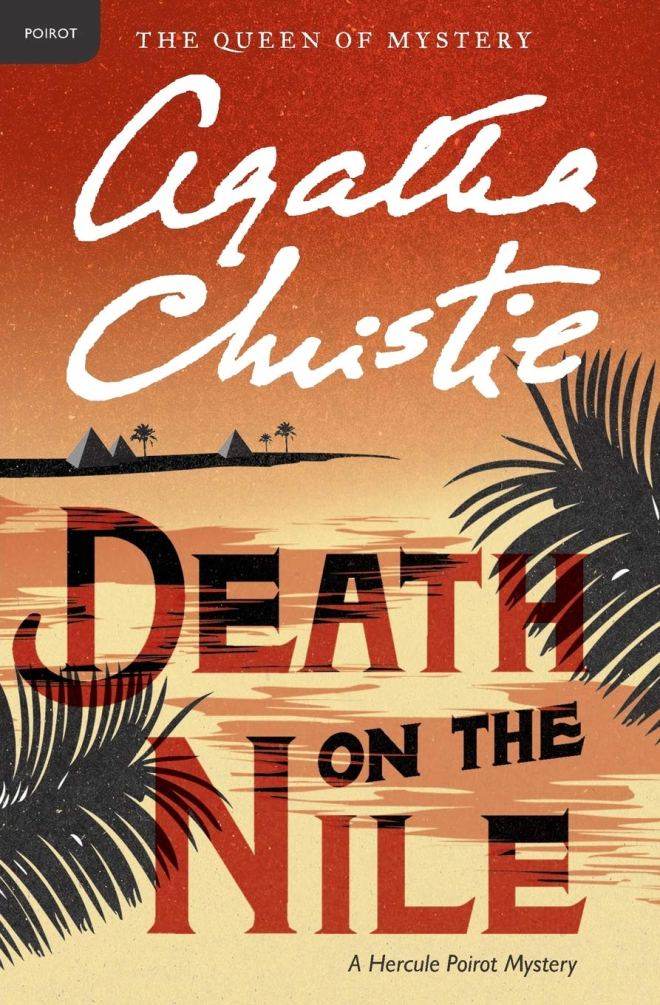
Death on the Nile (Hercule Poirot # 17), by Agatha Christie – I so enjoyed this classic installment of Hercule Poirot’s adventures. The great detective, looking for some rest and relaxation, heads off to Egypt for a Nile cruise. Of course, where Poirot goes, murder is sure to follow. When a beautiful heiress on her honeymoon is found with a bullet through her head, Poirot is pulled in to investigate the crime. A new adaptation of Death on the Nile, starring Gal Gadot as Linnet Doyle and the great Kenneth Branagh as Poirot, is scheduled to hit theaters later this year – I can’t wait!

The Mitfords: Letters Between Six Sisters, ed. Charlotte Mosley – Like so many readers and anglophiles, I am fascinated by the Mitford sisters – especially my favorites, Nancy and Deborah. I’ve had this collection of their correspondence on my TBR for ages and finally got to it, via my kindle. The Mitford correspondence is voluminous – hard to believe, but this 850+ page collection represents only 5% of their total written communication. It was so interesting; the letters selected (by Diana Mitford’s daughter-in-law Charlotte) showcased the sisters’ different personalities and voices and provided a window into unfolding history. It could be uncomfortable to read (Unity’s and Diana’s letters gushing about Hitler were particularly disgusting) but it’s also important to see that angle of history so we can prevent it from happening again. Naturally, I enjoyed Deborah’s letters about her friends the Kennedy family much more, though!

The Provincial Lady in London (The Provincial Lady #2), by E.M. Delafield – Looking for something short and sweet after the epic long collection of Mitford letters, I decided to continue on with the Provincial Lady. In this volume, the PL is now a mild literary celebrity and her diaries follow her to a writers’ conference in Brussels, vacation in Brittany, and of course London. I especially enjoyed the family’s relationship with the holiday tutor, “Casabianca.”

Word from Wormingford: A Parish Year, by Ronald Blythe – After two weeks of long hours and stressful projects at work, I really needed something to relax my brain. A slow, seasonal meditation on the natural rhythms of the English countryside and the liturgical calendar in the Church of England was just what the doctor ordered. (Don’t @ me.)

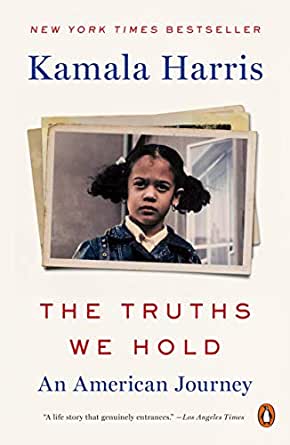
The Truths We Hold: An American Journey, by Vice President Kamala Harris – Saved this one for Inauguration Week and it was the perfect choice. I really enjoyed our new Vice President’s memoir, in which she combines her personal story with her thoughts on policy. VP Harris, a former prosecutor, sees a lot of policy through a criminal justice lens, and that was interesting to read about. I loved every page, but it did suffer a bit in comparison to the last political memoir I read – A Promised Land. An unfair comparison, because no one, no matter how brilliant and talented a politician they are, writes like President Obama.

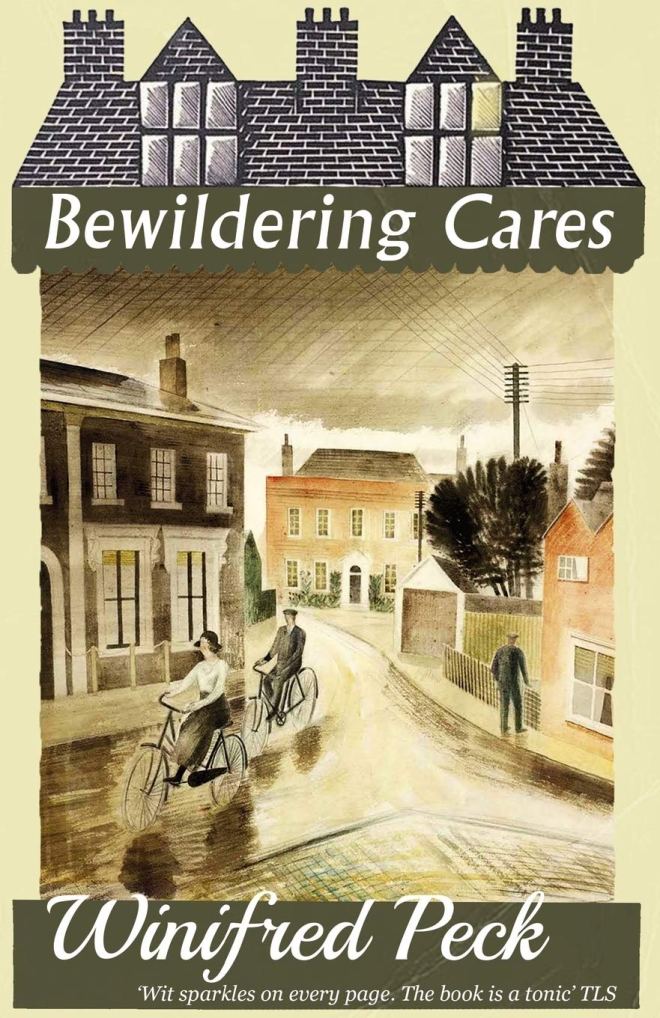
Bewildering Cares, by Winifred Peck – “It’s a tempest in a teacup, but we happen to live in the teacup.” Bewildering Cares follows one eventful week in the life of a clergyman’s wife in an industrial town outside of Manchester, during the first full year of World War II. Camilla Lacely, the protagonist, is a delight – a little frazzled, constantly being outfoxed by her one maid, worried about finances, and harangued by the grande dames of the parish about the firebrand curate, Mr. Strang. But Mrs. Lacely faces it all with good grace and her “diary” is a lovely, calming read.

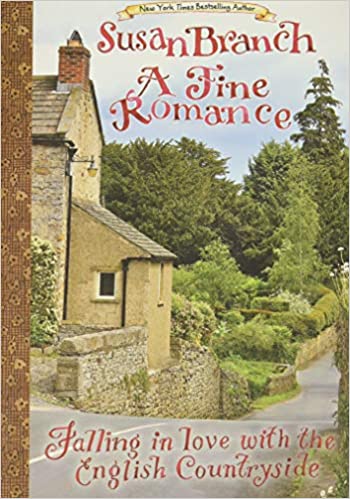
A Fine Romance: Falling in Love with the English Countryside, by Susan Branch – Not sure how I stumbled across this, but darn glad I decided to give it a try! My Grandmama was a huge fan of Susan Branch’s books and artwork, but I sort of assumed she was just the littlest bit too twee for me. (I have a high tolerance for twee, as is probably obvious by now, but for some reason I thought Susan Branch would be a bridge too far.) Y’all. I am appropriately chastened, because I loved this – handwritten, hand-painted scrapbook/diary of the author’s grand 25th anniversary trip with her sweet husband. It was one of those maddening books that you both can’t put down and simultaneously don’t want to end.

The School at the Chalet (Chalet School #1), by Elinor M. Brent-Dyer – Okay, speaking of twee. Let’s get one thing out of the way? High-brow literature this is not. Well-written? Well… it’s not awful. But fun, yes, atmospheric, yes, and just what I wanted to read – definitely. Perhaps it’s the times. This beginning of the Chalet School series took place when World War I and the Spanish Flu pandemic were very fresh in people’s memory, and maybe they just wanted a piece of fluff – Alps, Tyrolean lederhosen, and the comforting knowledge that everything is going to come right in the end. And in 2021, with the current pandemic stretching on and on and our democracy reeling from the body blows of the last four years (as much confidence as I do have in our current healer-in-chief) I also want comfort reading, and this is comfort reading. I intend to re-read it, and to continue on with the series in short order.

Well – eight books to start off the year, which in a long month isn’t exactly a high total for me. But January was a doozy, both at work and in life. Starting off the month with two 60+ hour workweeks, coupled with a coup attempt while I was at work just blocks away from the violence (and then driving white-knuckled home to Virginia) is just not a recipe for lots of pages. But things did pick up toward the end of the month, and even if the numbers aren’t especially high, there were still plenty of highlights. First of all, you can never go wrong in starting a year off with Agatha Christie. And then following her with Mitfords – as Debo would say, get on. Vice President Harris’s memoir was another high point (and it never gets old to say “Vice President Harris,” you guys), and falling in love with Susan Branch’s work was long overdue. So, a light month, but a good month!

How was your January in books? And life?

Themed Reads: Picture Books for the Snowy Season

I spend a lot of time curled up in my “reading nook” with my favorite classic novels, rediscovered memoirs, and mystery novels. But I also spend a lot of time with a kid – or two – on my lap, reading aloud. And while I’ve been reading more novels to the kids (especially Peanut) lately, we still do love our picture books. I especially can’t get enough of the combination of beautiful words and mesmerizing artwork. There are some really stunning offerings in the libraries and bookshops these days; here are a few of my favorites.

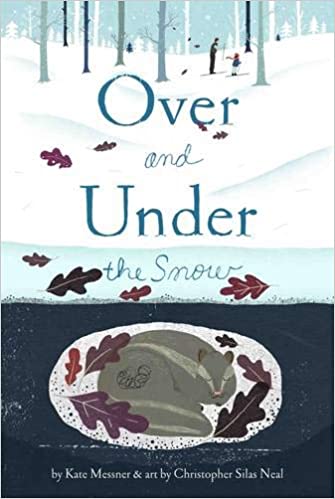
Kate Messner writes some gorgeous prose, and the art by Christopher Silas Neal in her “over and under” series (which now includes Up in the Garden and Down in the Dirt; Over and Under the Pond; and Over and Under the Rainforest) is absolutely breathtaking. I could fall into these books and just live in the natural rhythms of their world. Over and Under the Snow is absolutely lovely. Recently my cousin Jaime took her baby boy on a story walk through a local (to her) park; the story was Over and Under the Snow and, of course, she fell in love with it too.

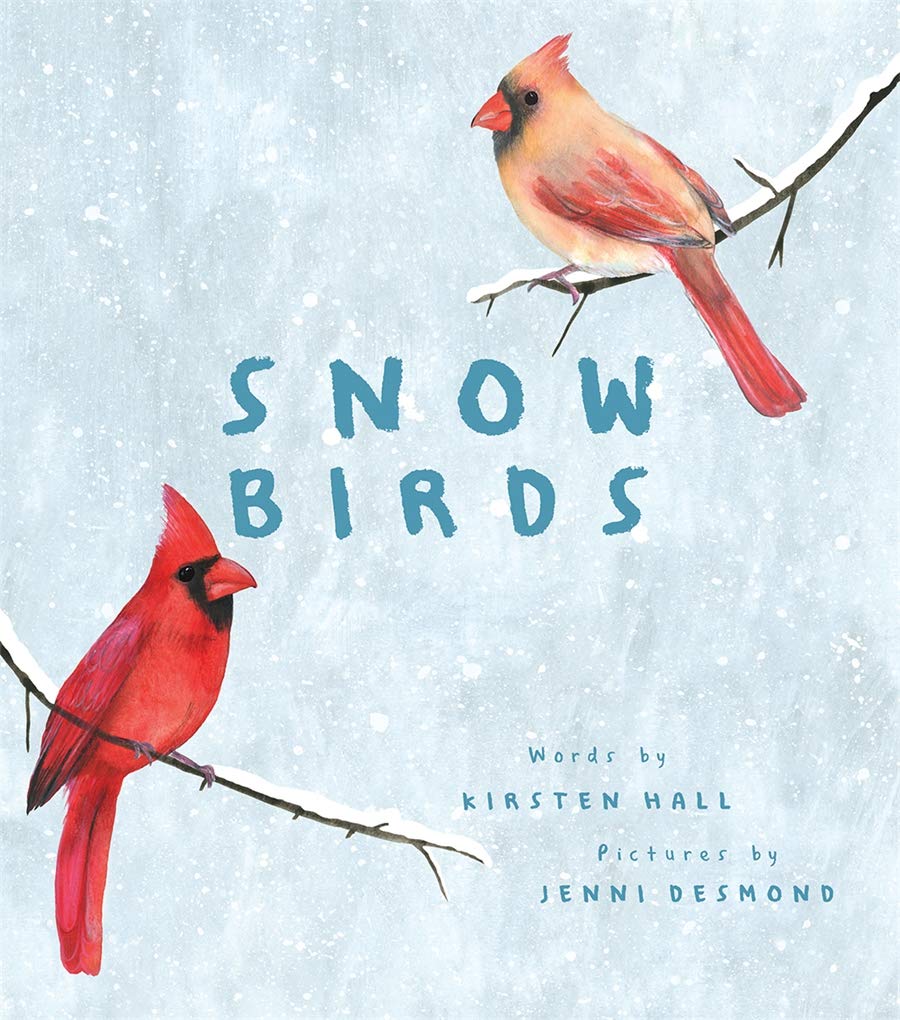
Snow Birds, by Kirsten Hall, was one of Nugget’s Christmas gifts this year, but I think I might have been even more excited to read it than he was. It’s just beautiful – lovely, peaceful art and stunning kid-friendly poetry. Even if you’re not a bird nerd (as Nugget and I proudly are) it’s a lovely read. Destined to become a new family favorite for sure!

Can’t have a list of snowy season picture books without Jan Brett’s classic The Mitten, now can we? (Narrowly beating out that other classics, The Snowy Day, which is also beloved in our house.) If you don’t already know the story of a forest full of chilly critters who crawl into a hand-knitted mitten to warm up, get thee to your local bookstore and pick up a copy! I think both of my kids have read this in school, by now, and I have the pile of The Mitten-themed art projects to prove it. But we love it for home, too, especially piled up together under a warm blanket on a cold winter Sunday afternoon. Nothing better.

You certainly don’t have to have ankle-biters around the house to enjoy the peaceful art and inspiring words in these snow-themed picture books. What are your favorite picture books to celebrate chilly days?

Reading Round-Up: December 2020

Reading is my oldest and favorite hobby. I literally can’t remember a time in my life when I didn’t love to curl up with a good book. Here are my reads for December, 2020.

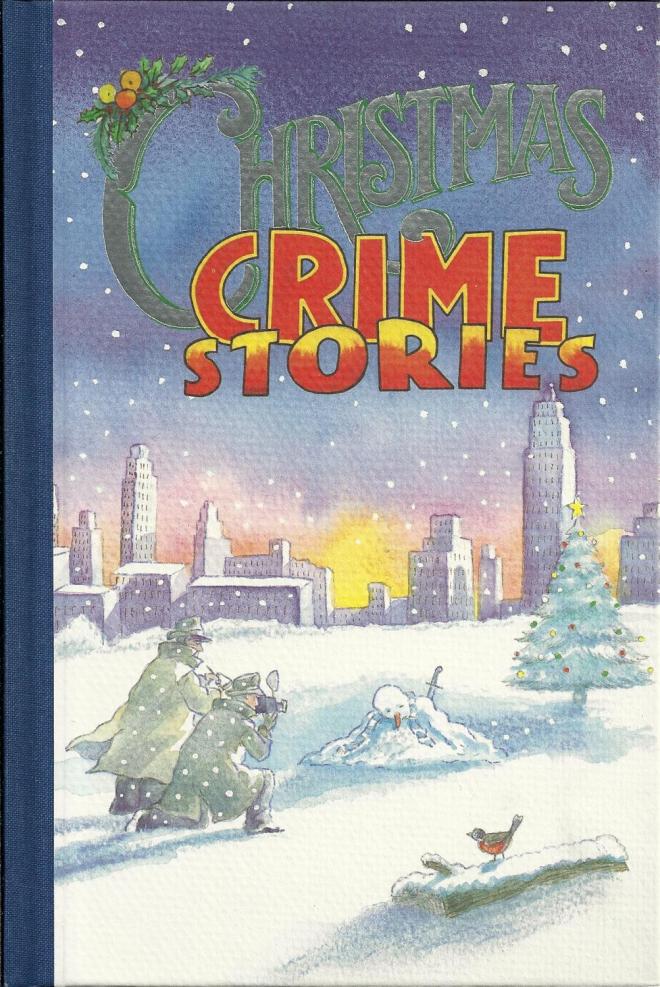
The Folio Book of Christmas Crime Stories, by Various Authors – This was a fun way to kick off the Christmas season! As with any short story collection, there were hits and misses for me, but overall it was a delight. Highlights included Agatha Christie’s “The Adventure of the Christmas Pudding” and Ellis Peters’ “The Price of Light.”

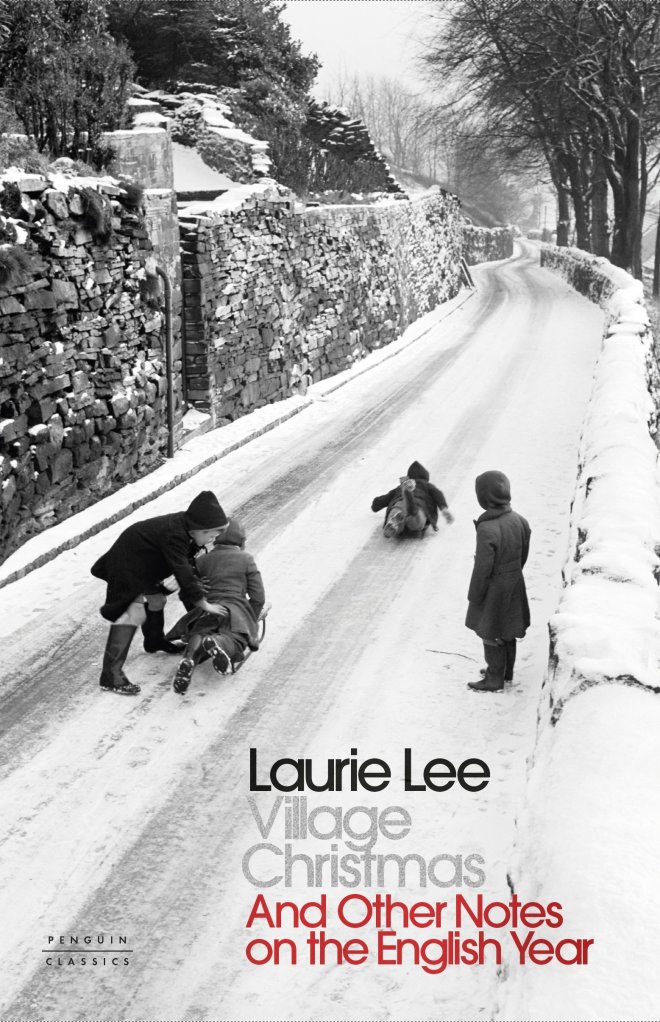
Village Christmas: And Other Notes on the English Year, by Laurie Lee – Contrary to what the title and cover might lead you to believe, this book is mostly not about Christmas. The caroling and winter scenes from Cider with Rosie appear at the beginning, but then Lee pivots to other topics, which are loosely organized by season (although not always related to the season in which he places them). Although mostly not Christmassy, this collection of essays and short pieces was enjoyable. I particularly liked the beautifully written portrait of the Lake District; the fascinating history of the Lords of Berkeley Castle; and all of the essays about Lee’s childhood village of Slad.

Slightly Foxed No. 68: Ring Out, Wild Bells!, ed. Gail Pirkis and Hazel Wood – An issue of Slightly Foxed is always a winner. The editors’ letter at the beginning is a treat, and the essays always leave me with a bursting TBR list. I particularly enjoyed a piece about pipe-smoking (who knew?) and the final essay, on writers’ superstitions.

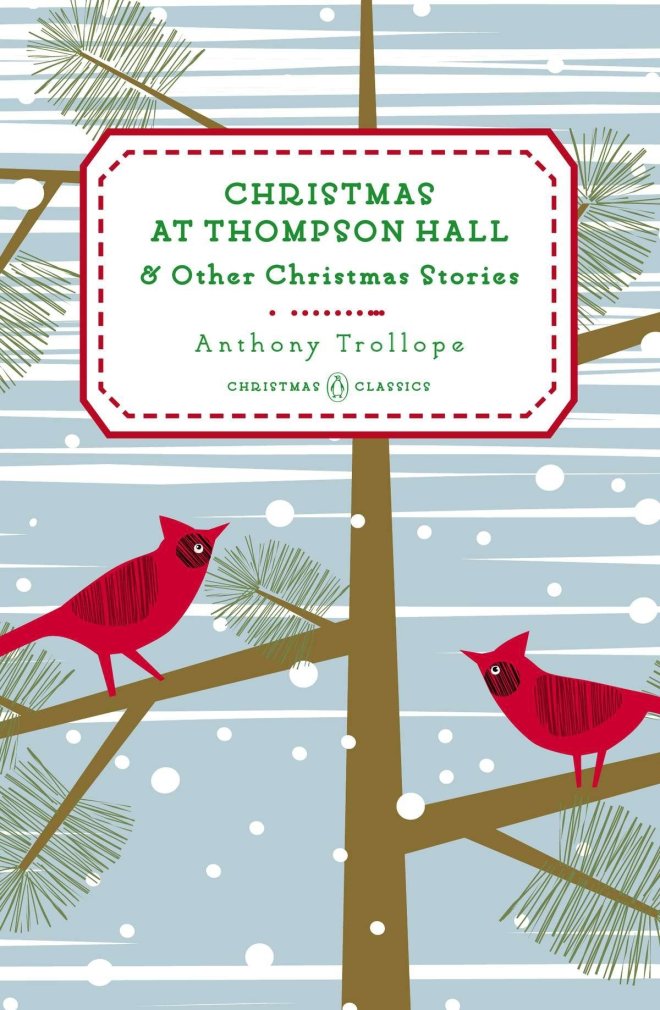
Christmas at Thompson Hall & Other Christmas Stories, by Anthony Trollope – Just a little treat to scratch the Trollope itch between Victorian doorstoppers. This pretty little volume is part of the Penguin Christmas Classics collection, and it is vintage Trollope. The titular story – “Christmas at Thompson Hall” is a hoot, involving a case of mistaken identity and a mustard poultice. But the other stories are cracking good reads, too.

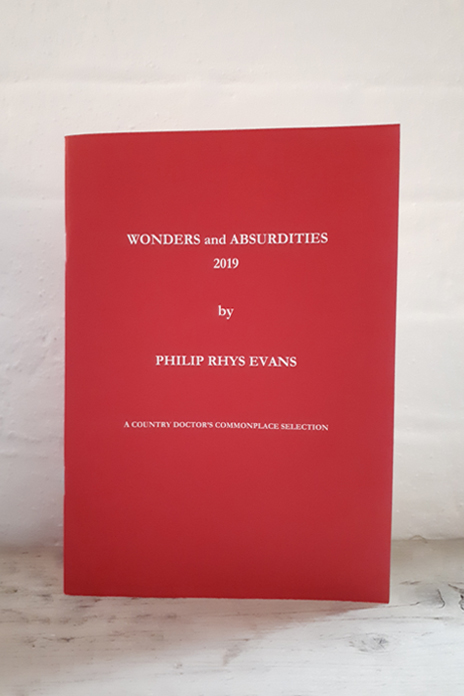
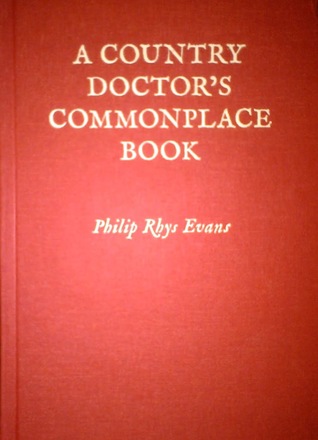
Wonders and Absurdities 2019, by Philip Rhys Evans – Having enjoyed the selections from Evans’ annual commonplace book, A Country Doctor’s Commonplace Book, I was excited when he started publishing his annual volumes through Slightly Foxed. This was a classic: it only took about 20 minutes to read, but I was giggling madly the whole time, and after a few snippets I had to run out of the room to read them aloud to Steve. That is a mark of a good commonplace book.

Portrait of a Murderer, by Anne Meredith – A bit of a darker one for Christmas – probably as dark as a Christmas mystery gets, in fact. Adrian Gray meets a violent death on Christmas Eve (or very early on Christmas morning) at the hands of one of his children. The problem is, quite a few of his children have a motive, and several had the opportunity. This isn’t a traditional whodunit; the reader learns early on the identity of the murderer, and then the book shifts to a fascinating, if unsettling, psychological portrait of the killer’s thoughts in the aftermath of the crime. I found it really engaging, but not sure I’ll be ready to re-read it very soon.

Christmas Crackers: Being Ten Commonplace Selections, 1970-79, by John Julius Norwich – Norwich is famed as a father of the practice of keeping commonplace books and publishing them (while it’s a longstanding tradition, I think he was one of the first to make his selections commercially available. This compilation of his selections from the 1970s was mostly evergreen, but there was a little bit of timely material that made reading it like opening a fun time capsule.

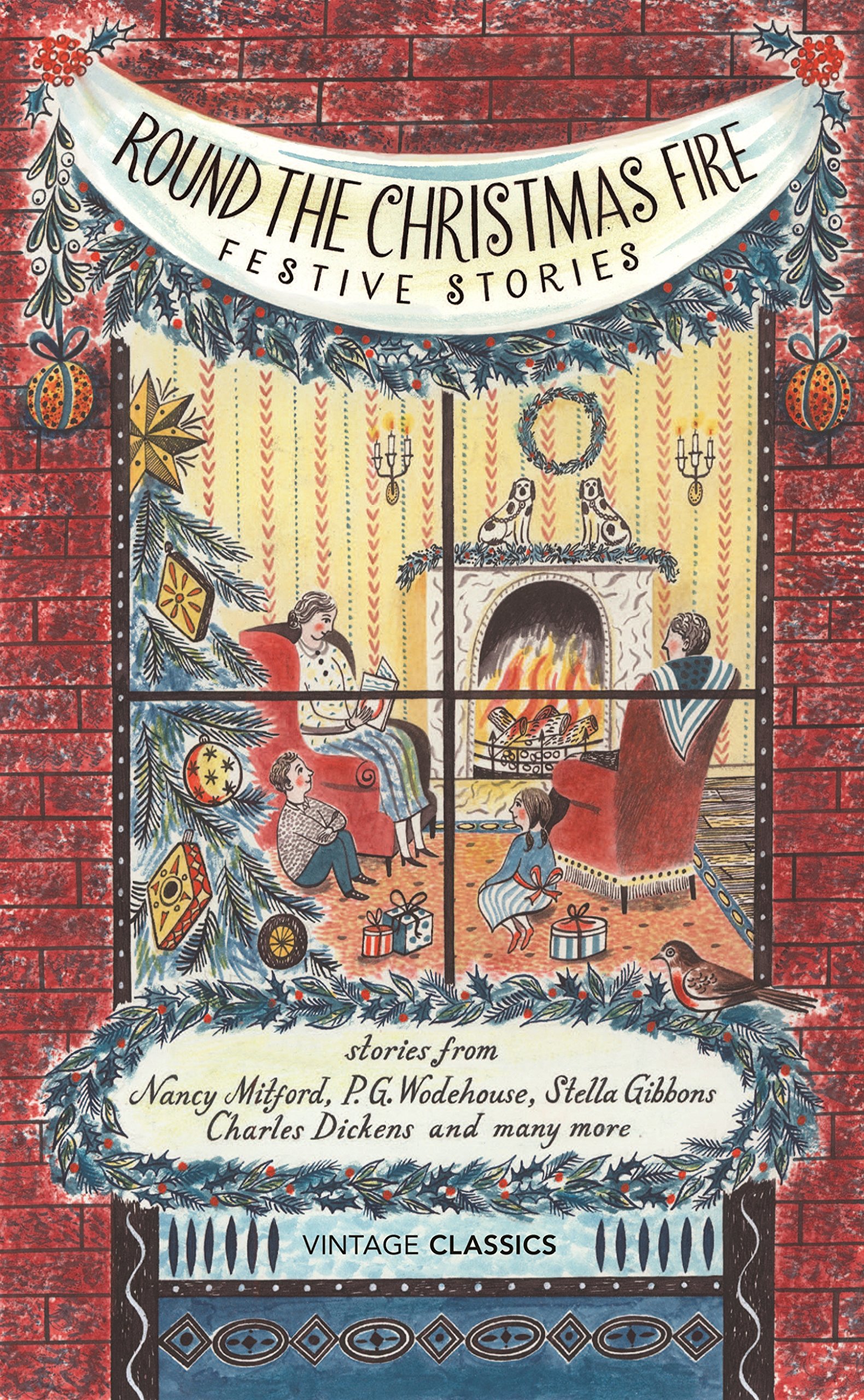
Round the Christmas Fire: Stories, by various authors – How could I resist a selection of stories from Nancy Mitford, P.G. Wodehouse, Stella Gibbons and more? Mitford’s offering was the Christmas Day chapter from Christmas Pudding, a book I read a few Christmases ago (or was it just last Christmas? 2020 has been a decade) and loved; and Wodehouse’s selection, Jeeves and the Feudal Spirit, was my favorite of the book.

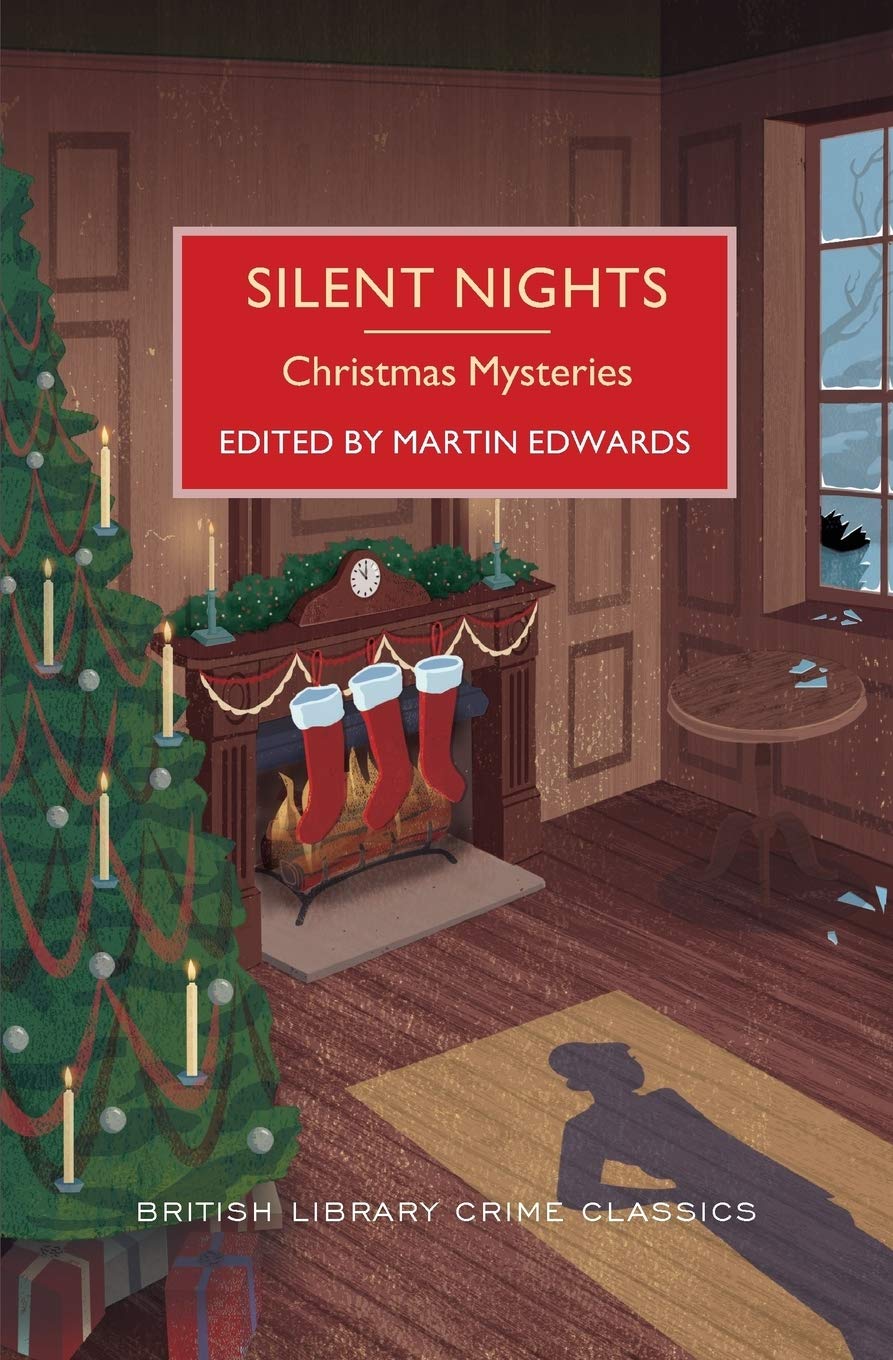
Silent Nights: Christmas Mysteries, ed. Martin Edwards – I decided on this one because Caroline Crampton noted on Instagram that it’s one of her favorites, as it features Dorothy L. Sayers’ short story The Necklace of Pearls. That was my favorite story of the bunch, as well, although there were a few other gems in there.

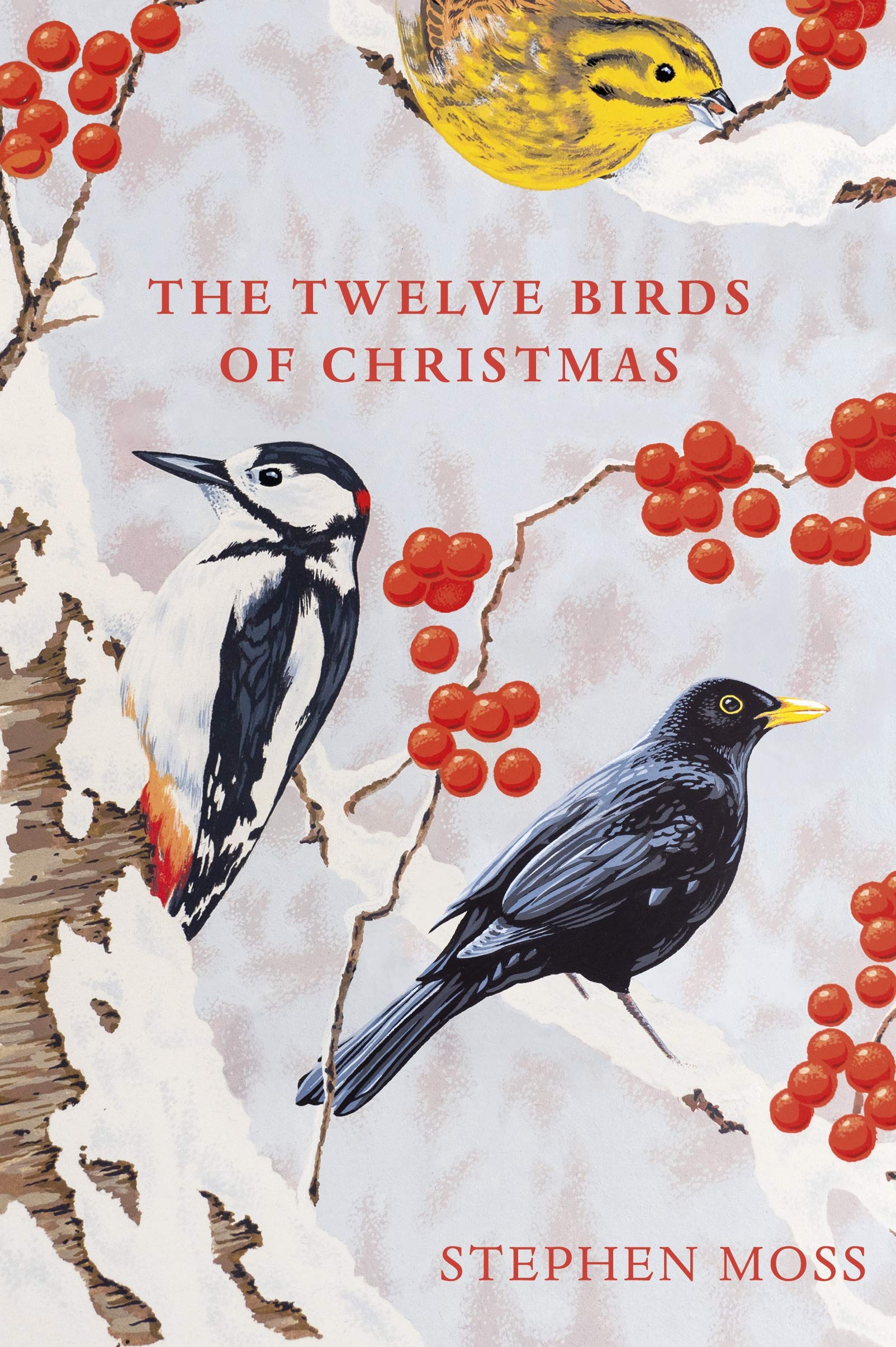
The Twelve Birds of Christmas, by Stephen Moss – I’d waited patiently for this one for nearly a month and when it finally arrived, I inhaled it. Moss reimagines the classic Christmas carol The Twelve Days of Christmas as actually being ALL about birds, and he presents a compelling case for each of the “days” referring to a different bird (i.e. “twelve drummers drumming” is about woodpeckers). Being a bird nerd, I loved every word of this.

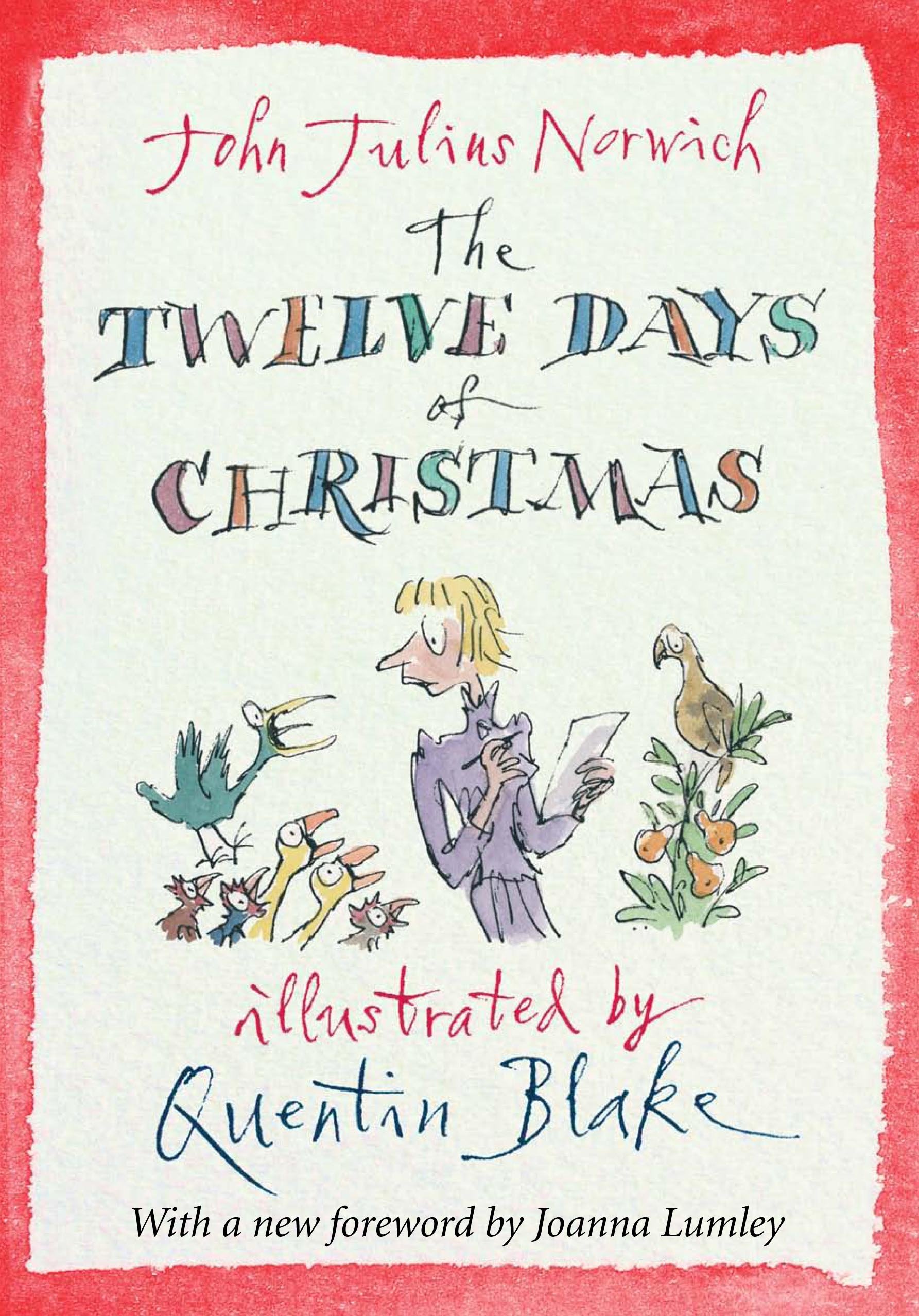
The Twelve Days of Christmas: Correspondence, by John Julius Norwich – I am making a tradition out of reading this on Christmas Eve, by the light of the Christmas tree! It’s a very short read – only takes about ten minutes – but hilarious, and Quentin Blake’s illustrations are the perfect accompaniment.

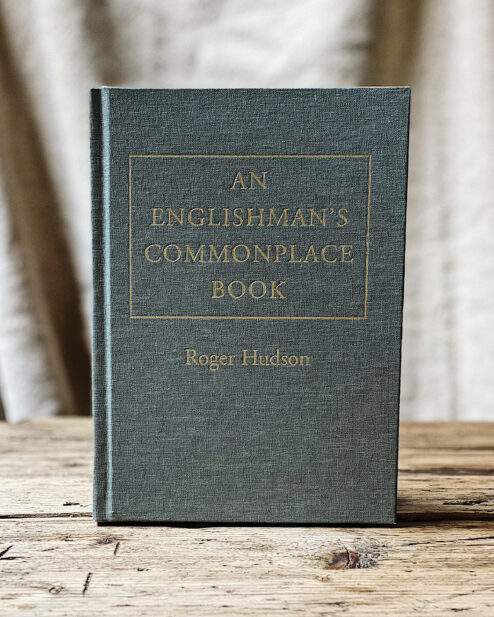
An Englishman’s Commonplace Book, by Roger Hudson – Another one I read straight through on Christmas Eve; this is Slightly Foxed‘s new commonplace offering for 2020. I found it a good read, although not funny. Since one of the things I liked best about Philip Rhys Evans’ A Country Doctor’s Commonplace Book is the humor, I didn’t like this one quite as much. Still good, though!

A Country Doctor’s Commonplace Book, by Philip Rhys Evans – Perhaps it was coming off of An Englishman’s Commonplace Book, but this was even funnier than I remembered from last year. Every page had something on it that tickled me. A nice way to wind down a crummy year: laughter.

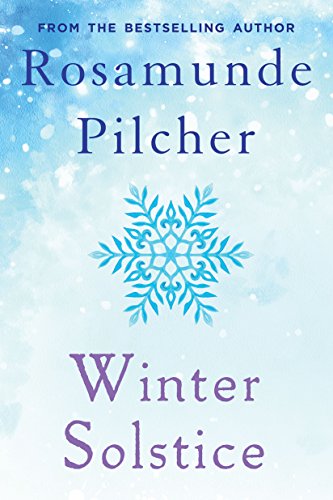
Winter Solstice, by Rosamunde Pilcher – One final Christmas read to wrap up the year. I enjoyed this, although not as much as September, which I read earlier in the year. There was plenty of detail about scenery, house decoration, and food – which is why I read Pilcher, let’s be honest. But not quite as much as in September, and I found the premise a little off-putting (in particular, the relationship between the two main characters, Oscar and Elfrida, just rang a little jarring to me). My other Pilcher pet peeve was in full display: thirty is not over the hill, and sixty is not elderly, Rosamunde. For Pete’s sake. But I don’t want to create the impression that I didn’t like Winter Solstice – I did, especially the descriptions of the sparkling cold Scottish landscape.

What a month to end a year of reading! Fourteen books, and you’d never know from this that I struggled with a pandemic-induced reading slump, on and off, throughout the year. I made a point of reading Christmas books this month – clearly – and ended up wallowing in twinkle lights for the entirety of December. There were some definite highlights, though. I think my favorite book of the month – probably not a surprise – was The Twelve Birds of Christmas. Revisiting A Country Doctor’s Commonplace Book is a highlight of every Christmas season, too, and it’s always a treat to read a new issue of The Slightly Foxed Quarterly. Good stuff all around! And now on to 2021 reading, and hopefully a better year in all respects.

How was your final month of 2020 reading?