Reading Round-Up: September 2021

Reading is my oldest and favorite hobby. I literally can’t remember a time in my life when I didn’t love to curl up with a good book. Here are my reads for September, 2021.
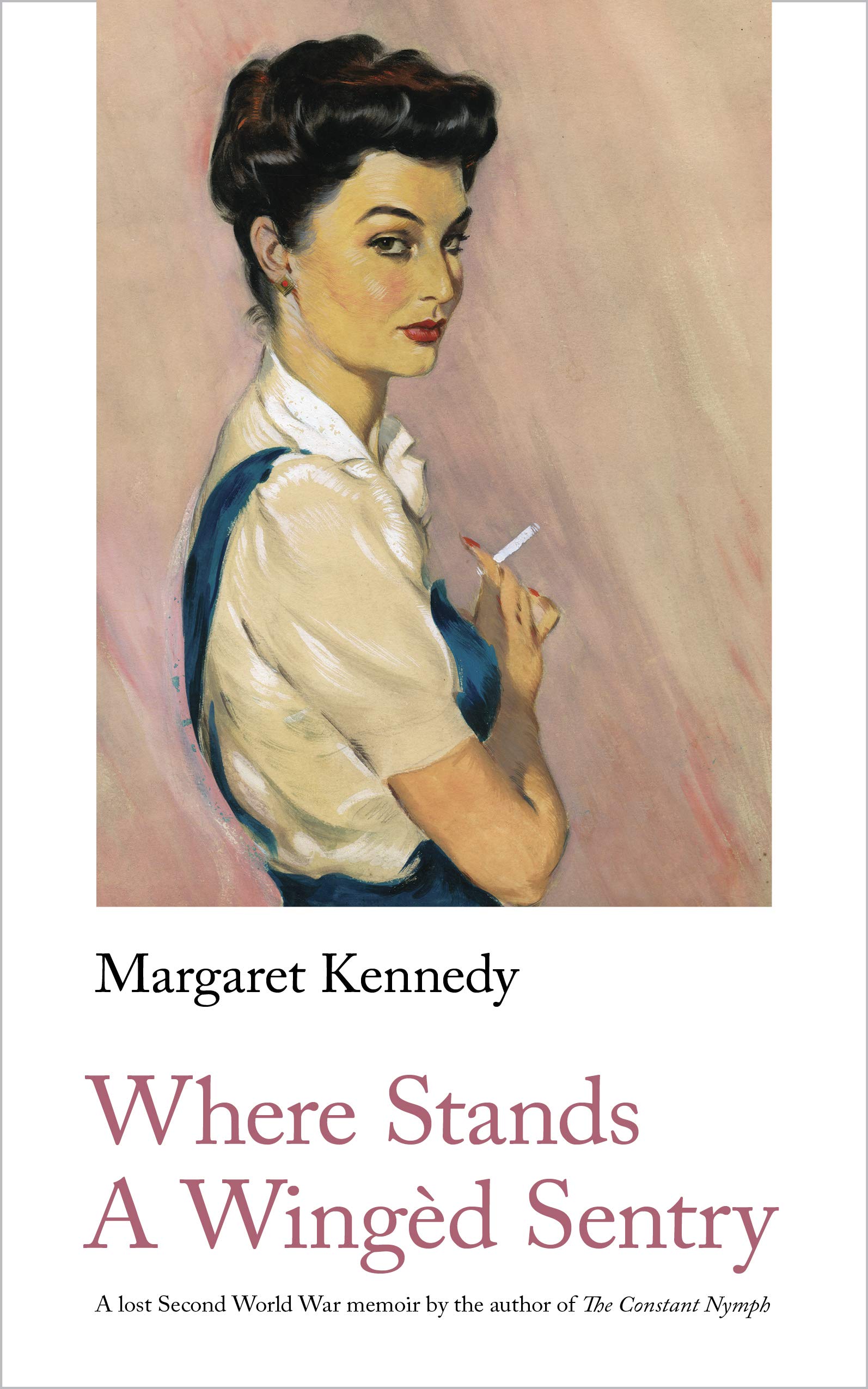
Where Stands a Winged Sentry, by Margaret Kennedy – I flew through this memoir of the tense summer between the official declaration of World War II and the beginning of the Blitz. Margaret Kennedy is a renowned and respected novelist, but her war memoir, taken from her diaries of that hot and anxious stretch, never mentions work – Kennedy is consumed with her children, her responsibilities, missing her London-bound husband, and invasion worries. This was beautifully written and a wonderful read.

The Hour of Land, by Terry Tempest Williams – I brought this with me to Shenandoah National Park for Labor Day weekend and it was a perfect choice. Williams, a noted environmental activist and nature writer, shares twelve of her most personally significant national parks. The writing is beautiful and atmospheric, although I did start to bog down near the end.

Slightly Foxed No. 70: Tigers at the Double Lion, ed. Gail Pirkis and Hazel Wood – Not much to say about Slightly Foxed that I haven’t said before! I thoroughly enjoyed the summer issue – as always.

Goldenrod, by Maggie Smith – I preordered the new volume of Maggie Smith’s poems and I did enjoy it, although some spoke to me more than others did. Smith’s bittersweet reflections on motherhood were the highlight for me.

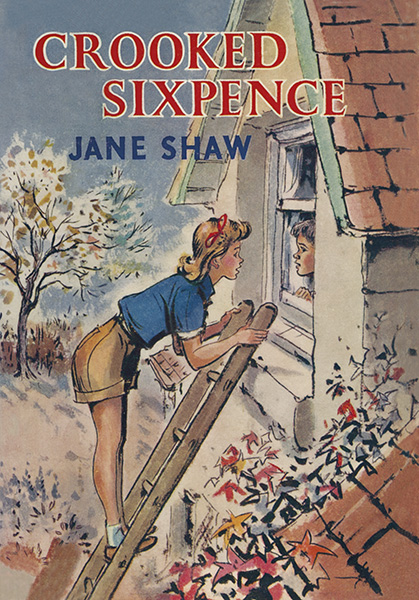
Crooked Sixpence, by Jane Shaw – Loved this recent reprint from Girls Gone By publishers! Six friends team up to investigate who is sending poison pen letters to the cherished and cuddly local squire. There’s a ghost – maybe! – and some Roman history. Good fun all around.

Spam Tomorrow, by Verily Anderson – In the mood for another war memoir, I picked up this reflection on life on the home front. I’d been saving it, and am so glad I finally read it, because it was a total delight from the first chapter – when Anderson goes AWOL from the FANYs to get married, but it’s fine because she was a terrible FANY anyway – through to the harrowing birth of her first child. There is a lot of moving houses, and a hilarious chapter in which Anderson and her friend/roommate Julie decide to open a B&B to earn extra cash in the absence of their husbands; they’re not born hoteliers. Altogether a total delight – highly recommend.
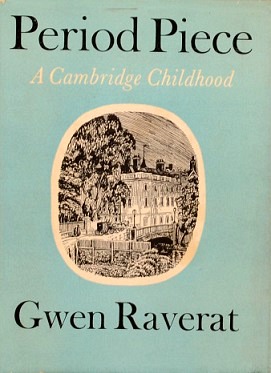
Period Piece, by Gwen Raverat – I decided to re-read Period Piece, as it was the September choice for Miranda Mills’ comfort book club. It ended up getting downgraded because Raverat reports a deplorable racist attitude that her mother held (I’d read Period Piece before, but that didn’t stand out to me the first time). I say this every time I read a book that is “of its time” – but perhaps there is a blog post there. I tend to take an “if you know better, you do better” attitude and use those moments as reflection points. Other than that one paragraph, this is a lovely book and I enjoyed it just as much the second time as the first.

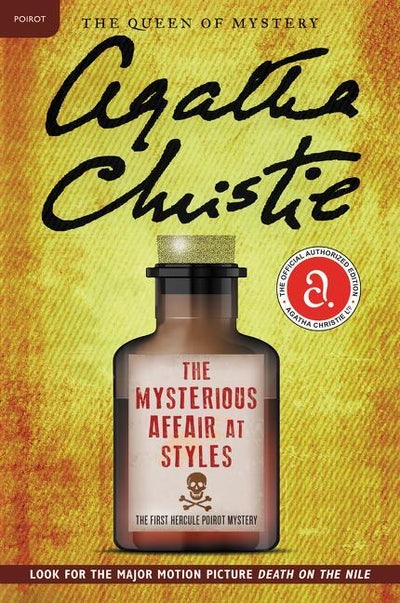
The Mysterious Affair at Styles (Hercule Poirot #1), by Agatha Christie – Total spur-of-the-moment pickup, but I have been itching to read The Mysterious Affair at Styles and how it all began for Hercule Poirot for ages now. Totally ingenious mystery, as always, and good fun all around.

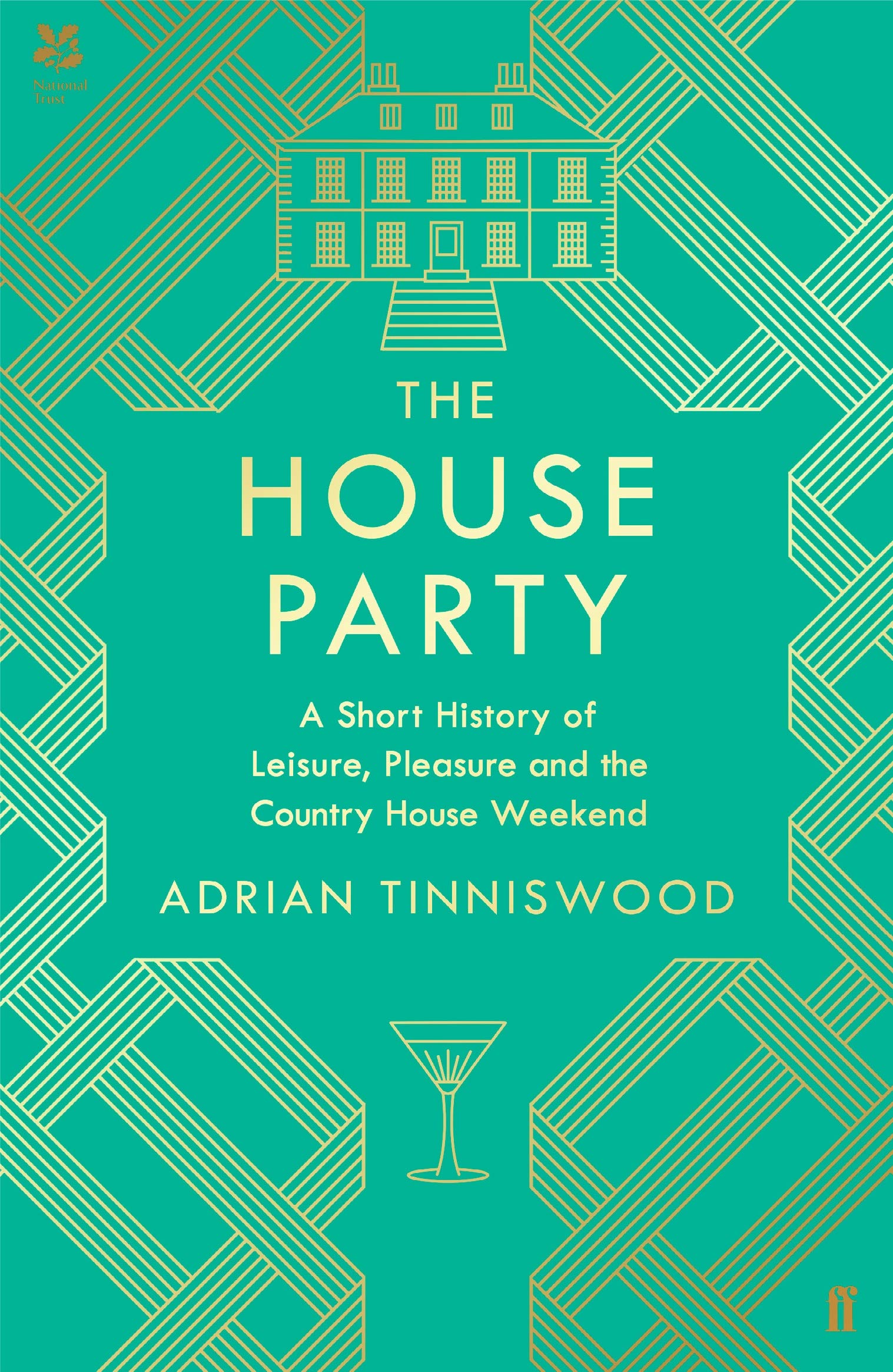
The House Party: A Short History of Leisure, Pleasure and the Country House Weekend, by Adrian Tinniswood – This was a quick one – the work of about ninety minutes – but fun. Tinniswood explores country house parties “between the wars” – from the transportation to the guests to the food and more. Interesting and enjoyable.
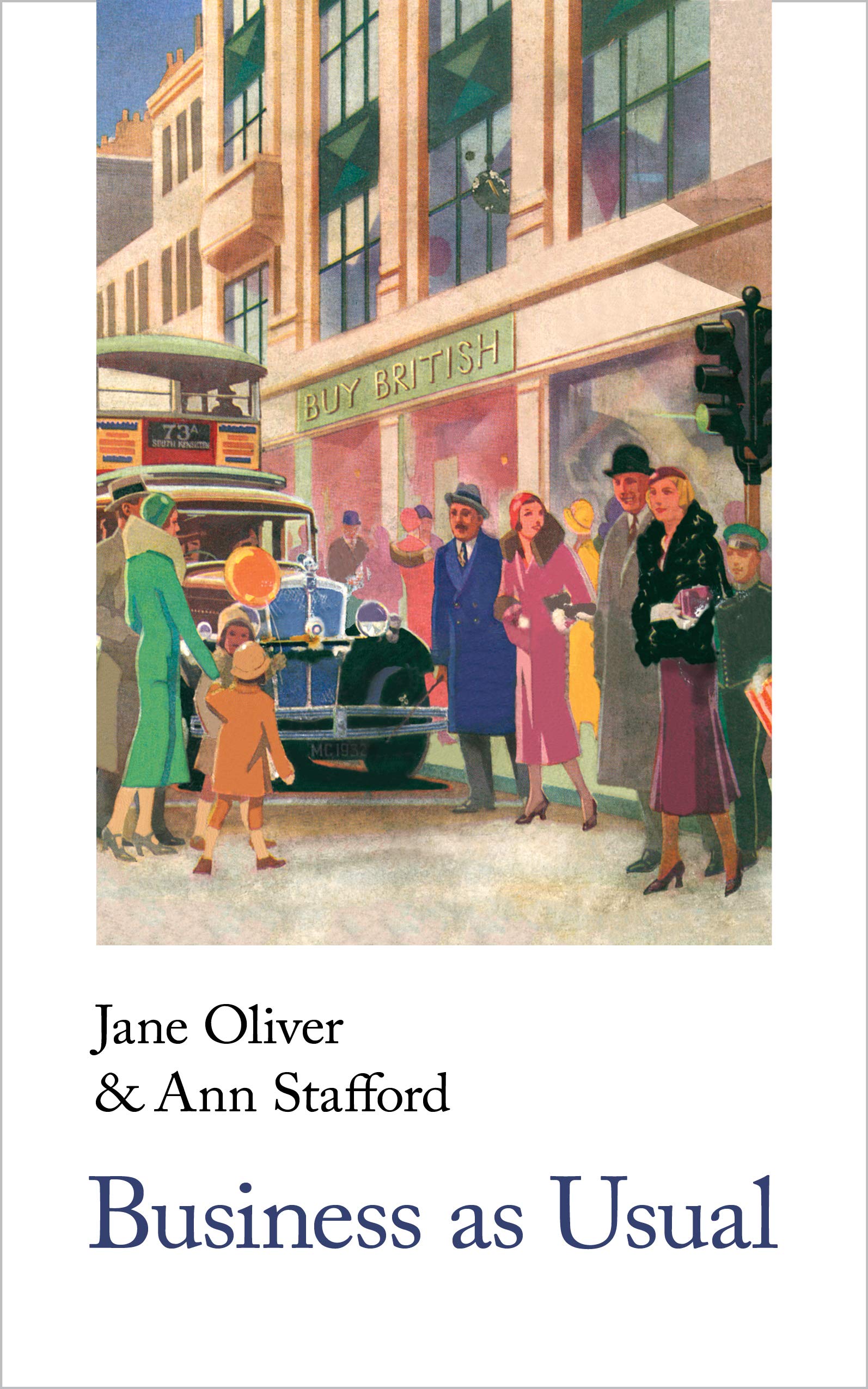
Business as Usual, by Jane Oliver and Ann Stafford – This is going to be another one of my highlights of the year. Business As Usual is an epistolary novel following a young woman as she decamps to London with the novel idea of spending a year working and earning money before she marries her surgeon fiance. It was a fabulous, funny and sweet read. I loved it.

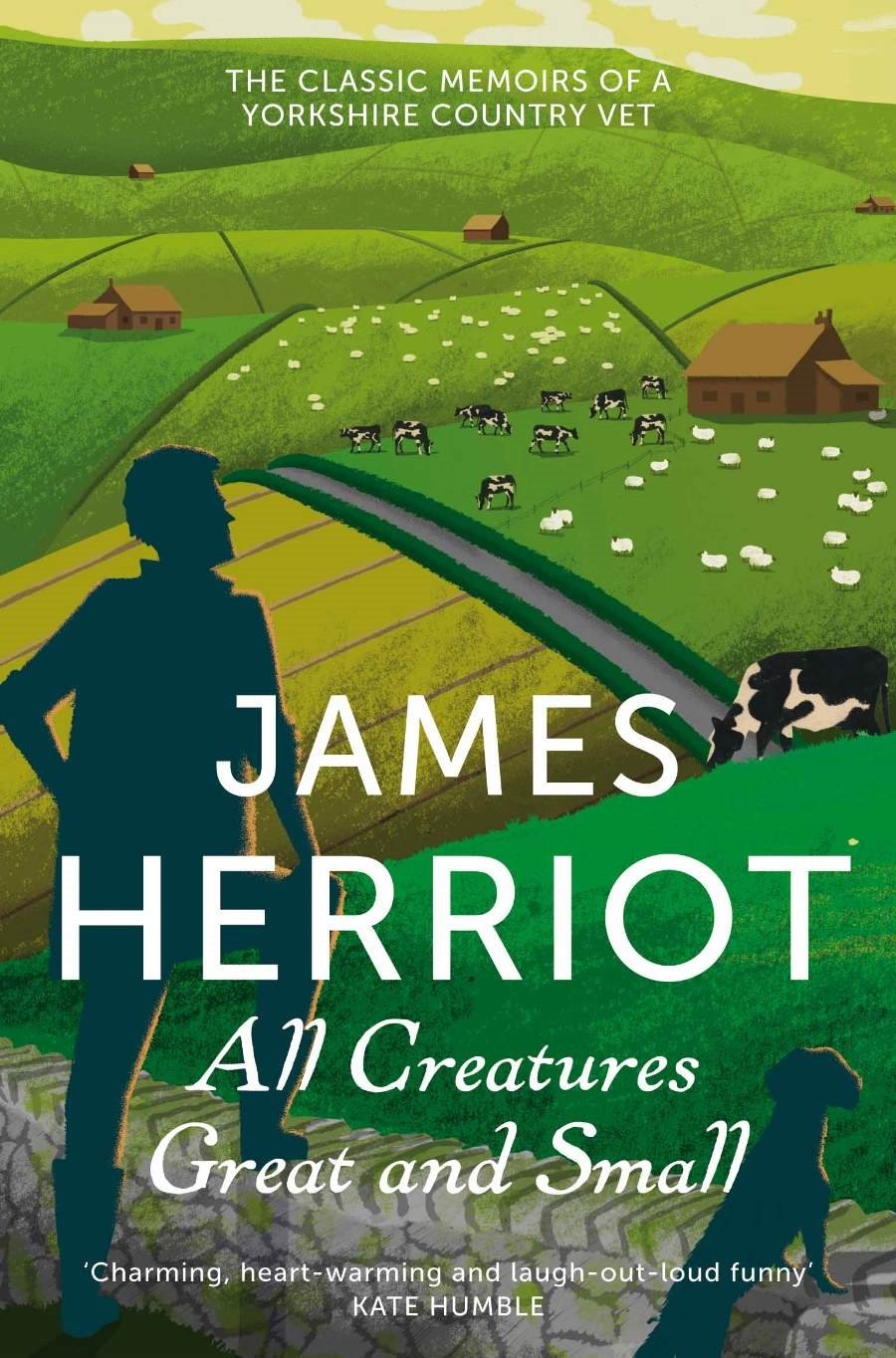
All Creatures Great and Small, by James Herriot – This is something of a triumph – after about eight months of listening in fits and starts, I finally finished All Creatures Great and Small on audio. Really enjoyed this classic memoir by a Yorkshire vet, but it was rather more detail about bovine birth than I bargained for. I expect I’ll continue with Herriot’s memoirs, but I need a little break first.

The Greek Myths, by Robert Graves – Read for the Classics Club Challenge, this is the definitive compilation of Greek myths. All of your murder, incest, forced marriage and eye-gouging, you can find it here. I’ll have a full review coming later in the month, but… it was a bit much.

Beatrix Potter’s Gardening Life, by Marta McDowell – I needed a palate cleanser after The Greek Myths and this was perfect. I love these Timber Press books about famous authors and the gardens and landscapes that inspired them (I’ve read The Natural World of Winnie-the-Pooh and The Landscapes of Anne of Green Gables already) and this tour of Beatrix Potter’s life in gardens was lovely. And the books are absolutely gorgeous.

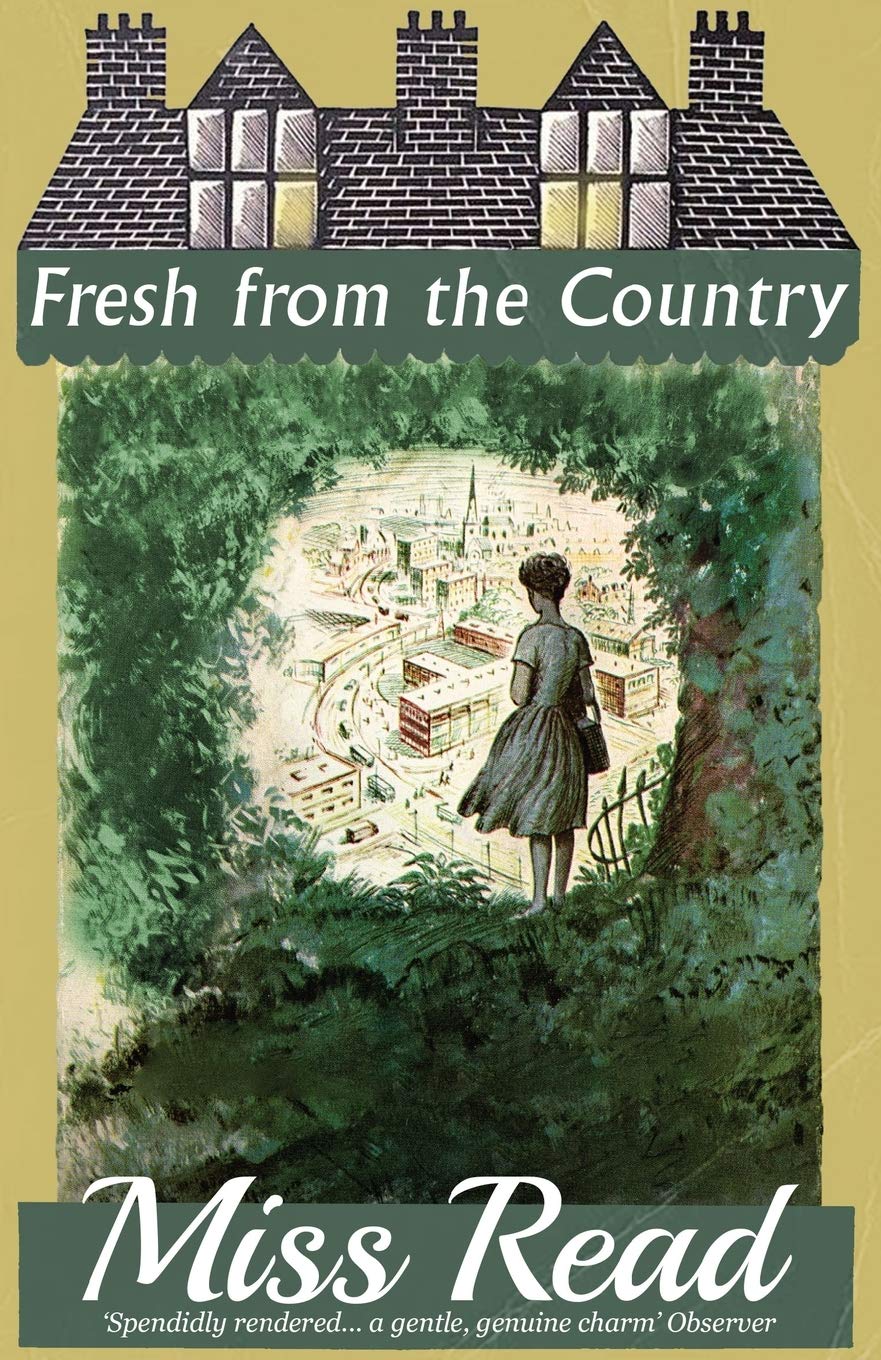
Fresh From the Country, by Miss Read – This standalone book by Miss Read has been staring at me from my shelf for months – it was time. Young Anna Lacey, fresh-faced and innocent, leaves her idyllic farm home and embarks on a new career as a teacher in an overcrowded suburban school. At first, Anna is desperately homesick – cold, hungry and lonely in her penny-pinching boarding house landlady’s clutches – and lost and confused at school. But friendship and romance await, and her first year of teaching proves to be eventful. I so enjoyed this book, and will re-read it again and again.

At the Pond: Swimming at the Hampstead Ladies’ Pond, by Various Authors – So, this is a classic “I bought it for the cover” book, but that cover didn’t lead me wrong – it was wonderful. Women of all ages, shapes, sizes, and backgrounds muse on the peculiar magic of the Hampstead Ladies’ Pond in a series of essays. I especially loved “The Lifeguard’s Perspective” – an essay by a lifeguard who watched the life of the pond swirl around her from her yellow canoe, while a new life grew inside her. And I appreciated that the essays weren’t universally adulatory – a non-binary writer mused that they don’t swim at the ladies’ pond anymore because they don’t feel female enough, for instance. I’ve never been to the ladies’ pond, but I feel like I have now.

Whew! Some month. I definitely got my reading mojo back after the long, hot summer of not-much-book-time. It would be hard to pick a favorite for the month; Business As Usual was an absolute joy, but so was Fresh From the Country. And then there were two – not one, but TWO – standout World War II home front memoirs, and wonderful nature writing, and the Queen of Crime… no, I can’t pick a favorite. But I’m grateful for this lovely month of reading, and excited for October’s books ahead.
Themed Reads: Set in September

I love reading seasonally through the year, as you know – summer books in hot weather; Christmas books at the holidays, etc. Surprisingly, though, I haven’t found many books set during the month of September. You’d think that the beginnings of crisp weather and the turning of another school year would present ample material for novelists – and maybe they do and I just haven’t found them, but it seems to me that there’s a niche to be filled here. There are a few standouts set during the ninth month of the year, though, and they’re as lovely as September itself.

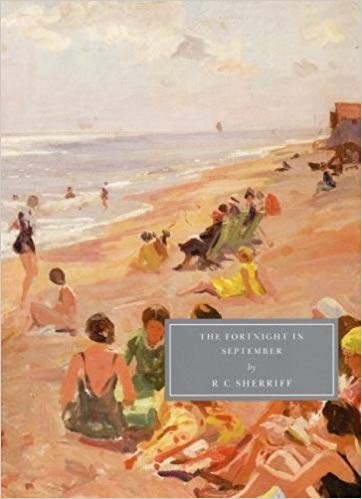
R. C. Sherriff’s A Fortnight in September – republished by Persephone Books – has proven popular enough to be made into a Persephone Classic, and for good reason. It’s one of those books in which nothing happens and at the same time everything happens. Covering a family’s annual seaside holiday from the delicious anticipation of the night before to the last bittersweet walk on the promenade, it’s a poignant and sweet read that will stay with you.

One of my recent reads – just this month! – Crooked Sixpence, by Jane Shaw, follows six intrepid friends as they investigate some seriously sinister goings-on over a few hot September weeks. Why is the kindly and beloved local squire (grandfather to two of the gang) receiving poison pen letters with the apparent aim of driving him from his ancestral holdings? What is the connection to the spooky “Tudor Boy” ghost who has been appearing nightly and clanking across the too-aptly named Villain Field? And how is this all connected to the Roman coin that a local shut-in gave to the lead character? There’s haying, a rollicking camping trip, and lots of good food (advice: DO NOT read this book hungry).

Finally, can’t leave out the ultimate – September, by Rosamunde Pilcher, actually takes place mostly over the course of six or so months leading up to the climactic September ball. As is typical for Pilcher, it’s a hefty novel packed with detail – there are picnics in the Scottish heather, lots of tea, a cast of fully-realized characters, and a poignant climax. I love Pilcher’s novels, and although this didn’t top The Shell Seekers as my favorite (although if you’ve read that one, you’ll recognize one of the characters in September) it was a cracking good read.

What are your favorite books set in September? Any recommendations for me?

Reading Round-Up: August 2021

Reading is my oldest and favorite hobby. I literally can’t remember a time in my life when I didn’t love to curl up with a good book. Here are my reads for August, 2021.

Chesapeake, by James A. Michener – I first picked up this doorstopper (metaphorically; I read it on my kindle) back in early July, while camping in Chincoteague, and have been picking at it for two months. It’s engaging and well-written, but almost comically long. The novel follows the life of the Eastern Shore and the Chesapeake Bay from the 1500s to 1978, through the stories of a few local families over the generations. I enjoyed it and never found it to be really a slog, but it just took me forever. I’ve got a blog post percolating about the experience of reading Michener, so watch for that.

The Swiss Summer, by Stella Gibbons – Needing a major reading refresher after that doorstopper, Chesapeake, I turned to one of the books I really hoped to get to this summer – Stella Gibbons’ The Swiss Summer, recently reprinted by Dean Street Press. I have enjoyed every single Dean Street Press title I’ve picked up, and this one was no different. Lucy Cottrell, wealthy and beloved by her husband but childless, is looking for a change of pace and finds it when she is invited to join Freda Blandish, companion to the aristocratic Lady Daeglish, at the latter’s Swiss chalet for a summer of cataloguing the library. Lucy’s plans for a peaceful summer of books and Alpine flowers are shattered when the chalet is invaded by half a dozen noisy guests. Shenanigans and romance ensue. It was a total delight and just what I needed.

A Month in the Country, by J. L. Carr – Another one from my summer reading list – I’ve been meaning to get to Carr’s slim novel for years and it absolutely lived up to the hype. Tom Birkin, broken in body (from the trenches of World War I) and spirit (from a failed marriage) plods into the northern village of Oxgodby with a commission to uncover what is believed to be a medieval masterpiece under centuries of limewash on the church wall. As the painting gradually reveals itself, Tom begins to shed his layers of heartache and come back to the world. This book was absolutely gorgeous.

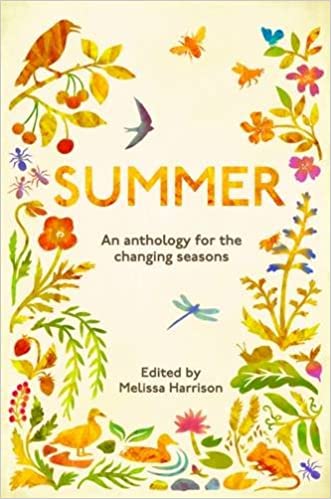
Summer: An Anthology for the Changing Seasons (Seasonal Quartet #2), ed. Melissa Harrison – I’ve loved each of the Melissa Harrison seasonal anthologies (having read Winter and Spring in their respective seasons). This one was just as much of a delight – mingling poetry, excerpts from classic novels and nature volumes, and modern writing on the season commissioned specifically for this anthology. It was all lovely, but my favorite piece was an essay by a twelve-year-old birding enthusiast on being taken by his dad to view a rare specimen – totally charming.

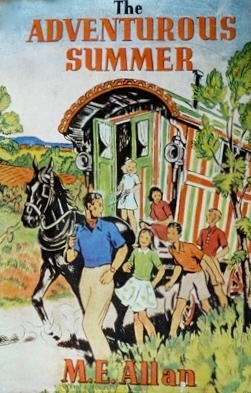
The Adventurous Summer, by Mabel Esther Allan – I’ve recently gotten into collecting the classic children’s novels reprinted by Girls Gone By Press and I’ve accumulated quite a stack. This is one of the most recent reprints, and was a delight. Nick and Sorrel are Londoners who come to stay with their aunt and uncle in the Cotswolds while their parents are in America (touring with the father’s orchestra). Although disgruntled about the plan at first, they quickly make friends and dive into country life. I flew through this in two days and couldn’t put it down – couldn’t wait to see what the Adventure Club friends would do next. Such a fun way to wrap up the season!

Well! Five books may not look like much, but I got my reading mojo back in a big way. After spending more than six weeks plodding my way through Chesapeake, I slammed four books in the last week-and-a-half of the month, and enjoyed each one thoroughly. I’m not even sure I could pick a highlight from among the latter four. They were all absolutely wonderful. I guess the real highlight of the reading month is starting to get excited about books again. I always go through a bit of a dry spell in summer – that’s normal – but I’m looking forward to some long reading evenings and weekends in the colder months that are looming around the corner.

What did you read in August?

My Top Ten Books From The First Half Of 2021 (And Then Some)

Every year, it seems, I forget to round up my top ten books of the first half of the year until late July or early August, so I guess this is par for the course? Let’s not even pretend I remotely have my act together anymore. In any event, I’ve had a great six (actually seven) months of reading – and plenty of good writing ahead of me for the rest of the year, of course. In no particular order, here are my top ten highlights of the year (as always, this list covers books read this year, not necessarily published this year) so far.

Mrs. Tim of the Regiment, by D.E. Stevenson – I have a feeling that 2021 is going to be my Year of D.E. Stevenson. It took me way too long to get to her most famous character, Mrs. Tim Christie, but when I did I was enchanted.

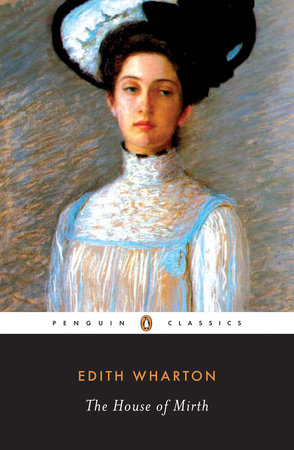
The House of Mirth, by Edith Wharton – Gorgeously written, lushly evoked, and frustrating for being so avoidably tragic, The House of Mirth might be Edith Wharton’s masterpiece. I still love The Age of Innocence most, but any Wharton is going to end up on my best-of list for the year, it’s basically guaranteed.

My Family and Other Animals, by Gerald Durrell – If you’re looking for something to scratch a travel itch and make you scream with laughter, look no further. I literally laughed until I wept, and then looked up flights to Crete.

Subpar Parks: America’s Most Extraordinary National Parks and their Least Impressed Visitors, by Amber Share – I’ve written on here before about Amber Share’s work and what a huge fan I am. Her first book – featuring some of her best known pieces from social media, but a bunch of new parks too, juxtaposes iconic national park images with idiotic nitpicking criticism and is absolutely hilarious and the pinnacle of irony. Let’s all just crown Amber queen now.

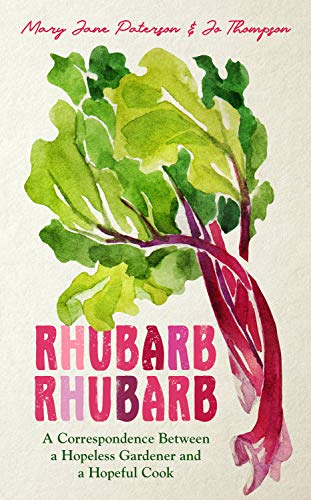
Rhubarb, Rhubarb: A Correspondence Between a Hopeless Gardener and a Hopeful Cook, by Mary Jane Paterson and Jo Thompson – I flew through this, but loved every second. Thompson and Paterson exchange breezy notes, recipes, gardening tips, and life updates. There are beautiful illustrations and photographs and it’s utterly lovely.

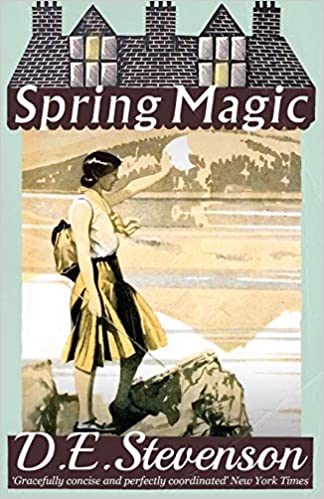
Spring Magic, by D.E. Stevenson – See, didn’t I tell you it was going to be my year of D.E. Stevenson? I thought of leaving the charming Spring Magic off this list because Mrs. Tim was already on here, but I couldn’t. I just loved every second of this delightful book.

Mango and Mimosa, by Suzanne, Duchess St. Albans – Give me all the eccentric expat childhood memoirs, please.

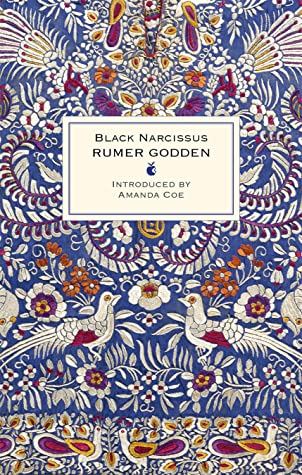
Black Narcissus, by Rumer Godden – Not a comfortable reading experience (like most of the other entries on this list were), but Black Narcissus was lush, eerie, gorgeously written and quite frightening. I couldn’t put it down.

A Winter Away, by Elizabeth Fair – Elizabeth Fair is a new-to-me discovery this year and I’ve already read two of her six novels (the other being Landscape in Sunlight, which just narrowly missed this list). These are charming, cozy, comfortable comedies of village life and I am here for them all. (And this one had the added benefit of not being completely obvious who the heroine would end up with – I did guess at the final romantic coupling, but only about 25 pages before the end.)

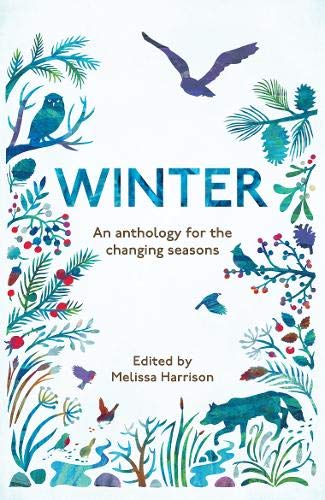
Winter: An Anthology for the Changing Seasons, ed. Melissa Harrison – I’m reading my way through this series this year, and I’ve read both Winter and Spring. Both are lovely but I enjoyed Winter just a bit more – perhaps because I like winter better than spring in general? Either way – everything from the cover to the last page was just lovely.

What have been your favorite reads of the year so far?

Reading Round-Up: July 2021

Reading is my oldest and favorite hobby. I literally can’t remember a time in my life when I didn’t love to curl up with a good book. Here are my reads for July, 2021.

Landscape in Sunlight, by Elizabeth Fair – I am so enjoying Elizabeth Fair’s quietly acerbic comedies of village life – first A Winter Away, and now Landscape in Sunlight, and both have been wonderful. Gentle scheming and romance abound, all set around that tense time in the annual country calendar – the lead-up to the annual church summer fete. Y’all know I can’t resist a summer fete.

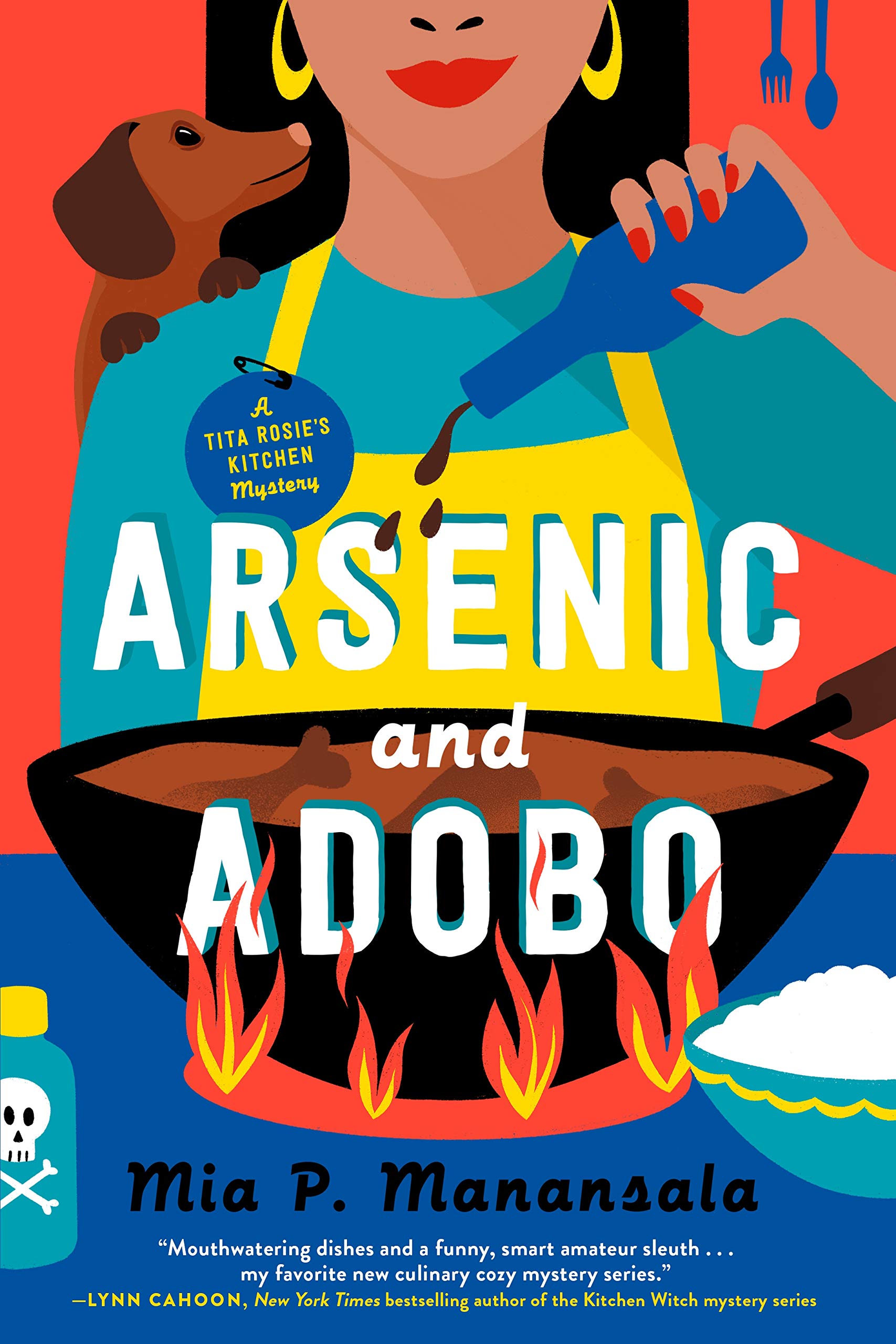
Arsenic and Adobo (Tita Rosie’s Kitchen #1), by Mia P. Manansala – I’ve been waiting impatiently for my turn with the library’s copy of this one, and it didn’t disappoint. After a bad breakup, Lila is back in her tiny hometown trying to save her aunt’s failing restaurant. But when Lila’s ex-boyfriend – now a small-time food critic who delights in cruelly eviscerating local restaurants and seems to be trying to put Tita Rosie’s Kitchen out of business – dies of apparent poisoning immediately after arguing with Lila and eating Tita Rosie’s food – things go heavily sideways, and fast. There’s a brash BFF, a handsome defense lawyer, and an attractive dentist love interest who happens to be the brother of the lead investigator (who is devoting all his handsome energy to putting Lila behind bars). This was fun and the descriptions of food – Filipino and otherwise – were mouth-watering.

Tokyo Ever After, by Emiko Jean – I heard this described as “The Princess Diaries in Japan” and that’s a pretty apt take. Izumi is a modern young Californian, raised by a crunchy-granola single mom, who discovers one day that her father – who she’s never met – is actually the Crown Prince of Japan. Before “Zoom Zoom” knows what hit her, she’s on a plane to Tokyo, where a scheming extended family and a handsome but scowling bodyguard await. Hijinks ensue, and the story wraps up perfectly poised for a sequel.

Subpar Parks: America’s Most Extraordinary National Parks and their Least Impressed Visitors, by Amber Share – I’ve already written a few times about how much I love Amber Share’s clever, witty and ironic illustrations – one-star yelp reviews embedded over iconic images of our most beautiful national parks. So I won’t go on and on here; just to say, go check out her work on social media, and pick up this book! It’s hilarious, inspiring, meticulously researched, and will explode your travel agenda.

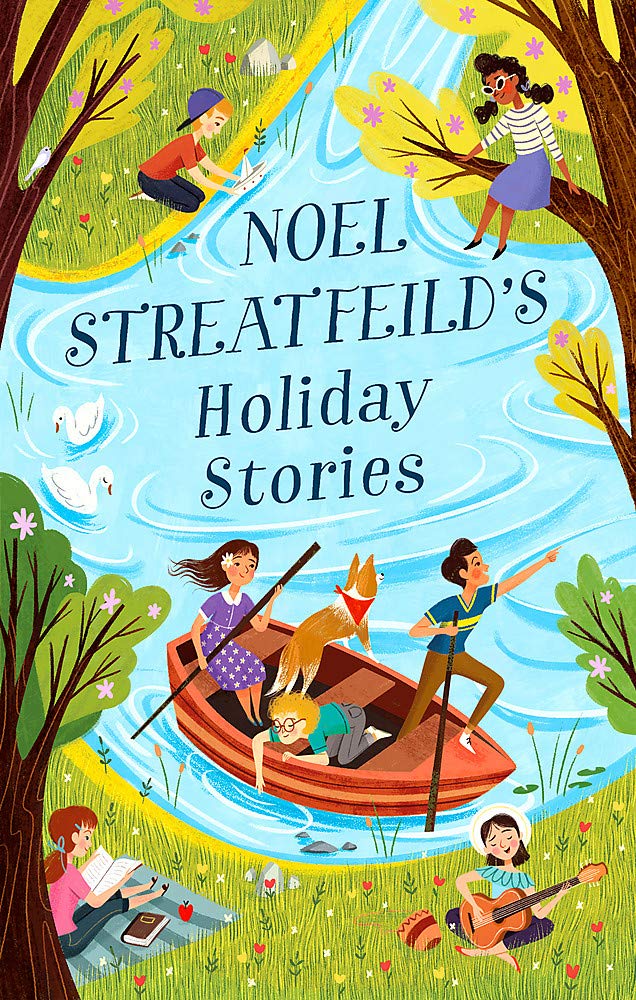
Noel Streatfeild’s Holiday Stories, by Noel Streatfeild – After enjoying Noel Streatfeild’s Christmas Stories last December, I was keen to check out this summer collection (also, the hardcover is so pretty!). This was a light and fun gathering of children’s stories with a loose summer theme. It was easy reading and charming, but didn’t hold my attention enough to keep me glued to the page.

Mrs. Lorimer’s Quiet Summer, by Molly Clavering – I’m always interested when Dean Street Press drops another collection, and having never heard of Molly Clavering I was particularly intrigued to learn that she was close friends with D.E. Stevenson. Mrs. Lorimer’s Quiet Summer is a loosely autobiographical novel based on Clavering’s friendship with her much more well-known (bestselling) neighbor. There’s reference to both women being writers, but the spotlight is on Mrs. Lorimer’s large and boisterous family of grown children (and a few grandchildren). I loved this delightful light read, and will definitely be picking up more of Clavering’s books soon.

Well – there we have it, a very light reading month. Partly, this has to do with the fact that on and off during the month, I’ve been working my way through James A. Michener’s doorstopping Chesapeake, with which I am still not done. And then I just spend less time reading in the summer than I do in the colder months, anyway. I did read some good ones this month, though! The two Dean Street Press books – Landscape in Sunlight and Mrs. Lorimer’s Quiet Summer – were definite highlights, as was Subpar Parks. I have some good reads on deck for August, too – just as soon as I finally finish Chesapeake. It’s gonna happen.

What were your July reading highlights?

Reading Round-Up: June 2021

Reading is my oldest and favorite hobby. I literally can’t remember a time in my life when I didn’t love to curl up with a good book. Here are my reads for June, 2021.

A Thousand Ships, by Natalie Haynes – I absolutely loved this retelling of The Iliad and The Odyssey from the perspective of all the women who hover in the background. Not just Penelope (who did receive her own starring role in Margaret Atwood’s The Penelopiad, of course – which I also loved), but also Briseis, Chryseis, Cassandra, Clytemnestra, Iphigenia, Hecabe, Andromache, Penthesileia – and more. It was beautifully written, engaging, tragic and totally captivating.

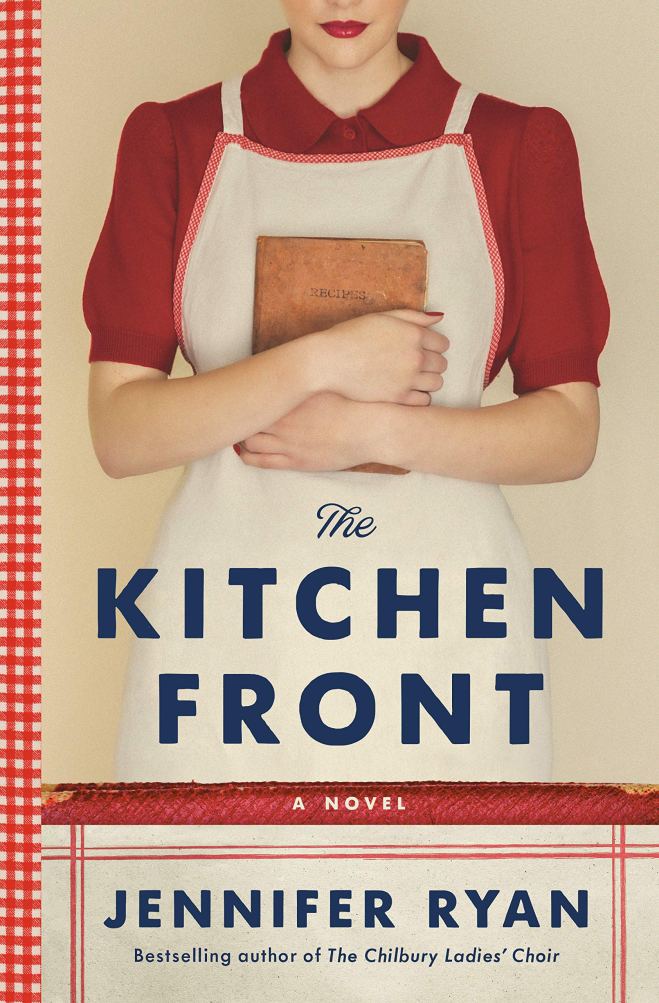
The Kitchen Front, by Jennifer Ryan – Having read and enjoyed The Chilbury Ladies Choir when it first came out, I figured I’d like another World War II home front competition novel from the same author – and I did. The Kitchen Front follows four women vying for a spot as co-host on a BBC radio show about cooking, through the vehicle of a food competition. It was a sweet, lovely story; I found myself rooting for all four of the women, and I was sad when it ended.

Slightly Foxed No. 9: Tusker’s Last Stand, ed. Gail Pirkis and Hazel Wood – Continuing my slow journey through the back issues of Slightly Foxed. The highlight was an article about Gwen Raverat’s wood engravings, which I have loved for years.

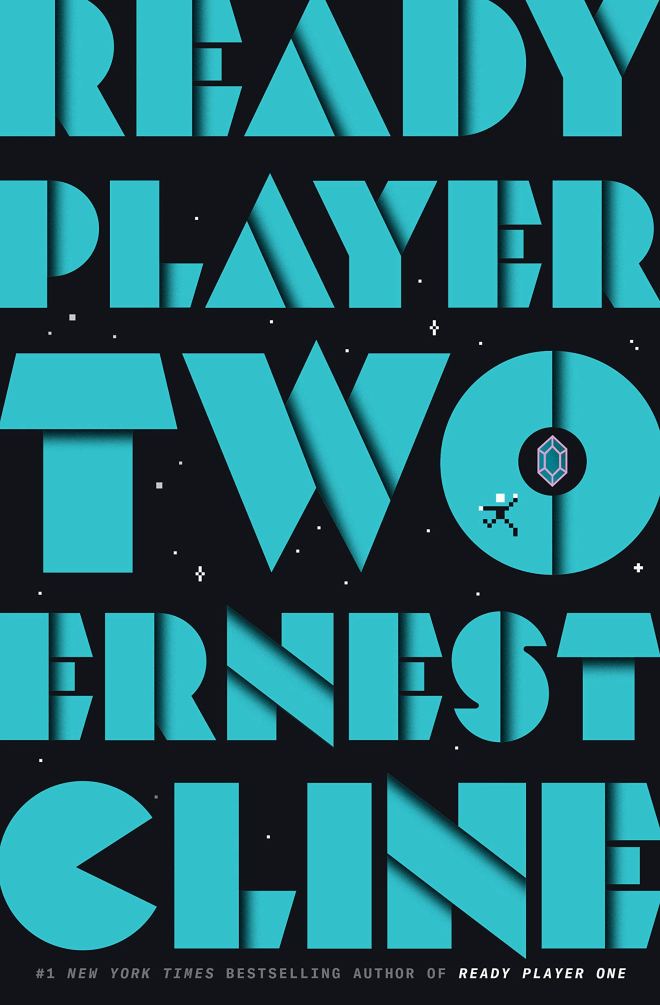
Ready Player Two (Ready Player One #2), by Ernest Cline – I enjoyed the follow-up to Cline’s Ready Player One, but wasn’t as blown away by it as by the first. Wade Watts (a.k.a. Sir Parzival) has officially taken the reins of the Oasis after winning founder James Halliday’s contest, but life isn’t as great as he thought it would be. Then another mysterious contest begins, and a new rival rises, even more dangerous than the nefarious Sixers. The pop culture, eighties, and nerd references still abound, but since it’s basically the same plot as its predecessor, it didn’t feel as fresh and creative. That said, if there is ever a Ready Player Three, you know I’ll read it.

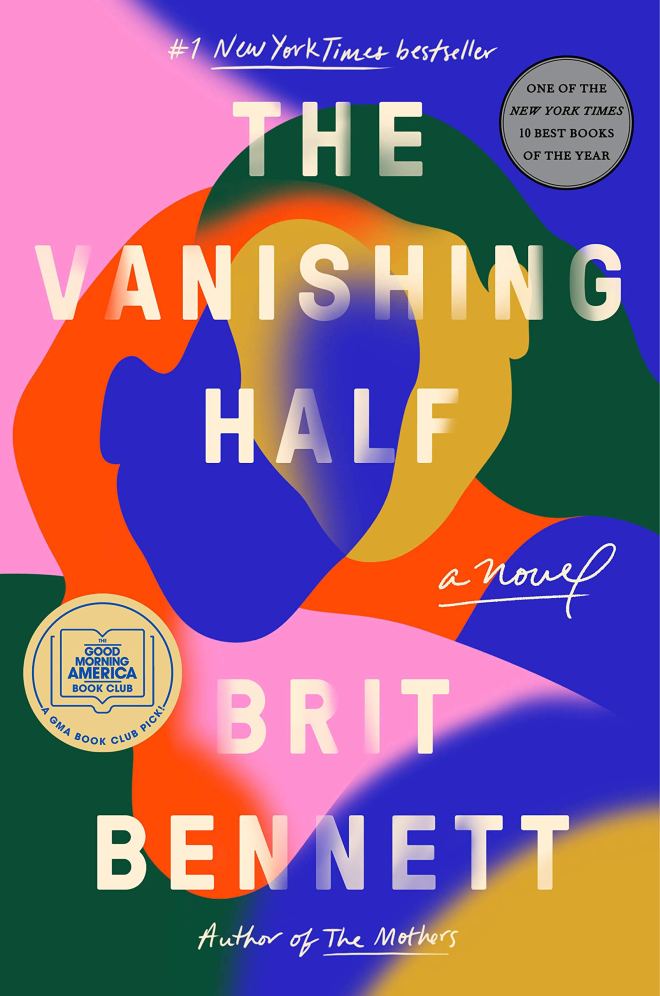
The Vanishing Half, by Brit Bennet – I’ve been waiting months for this on the library holds list, and I finally got my hands on a copy! Desiree and Stella Vignes are twin sisters growing up in the Jim Crow South. Although they are both Black, they live in a town that prizes light skin – until one day, they do the unthinkable and, shoulder to shoulder, walk out of town. Years later, Desiree returns, escaping a toxic marriage, with a very dark-skinned daughter in tow; the town isn’t sure what to make of this deveclopment. Meanwhile, Stella is halfway across the country, passing for white, and her family has no idea where she is – until Stella’s and Desiree’s daughters meet, threatening to upend the entire fictional basis of Stella’s life. So – this was powerful, gorgeously written, and wildly compelling. I loved it.

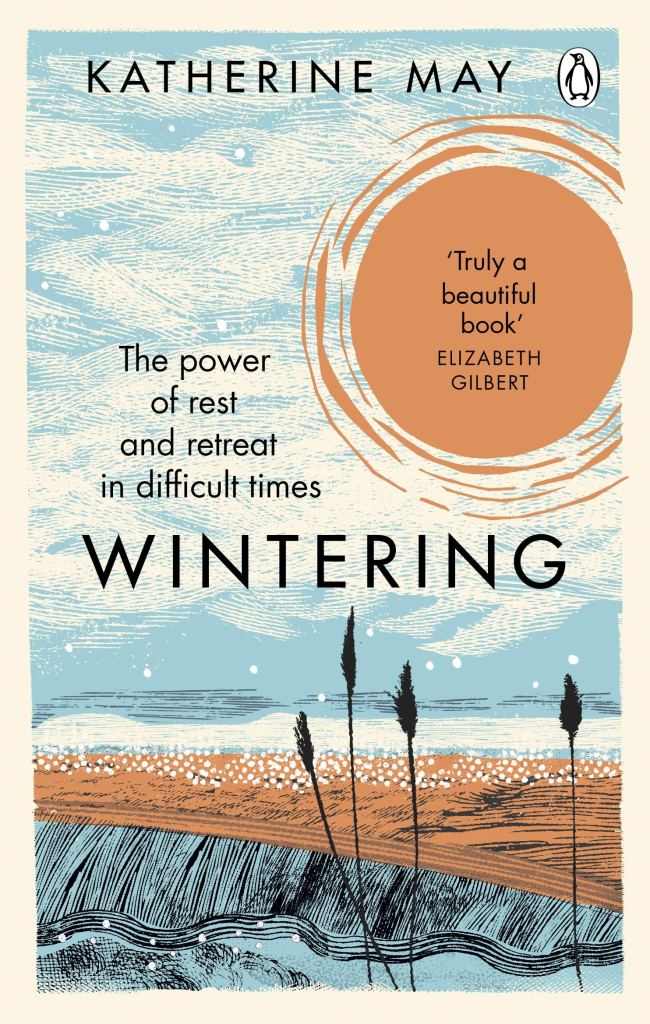
Wintering: The Power of Rest and Retreat in Difficult Times, by Katherine May – Seems like an odd choice for sweltering June in the mid-Atlantic, but again: library timing dictated. May writes with depth and sensitivity about winter as a time in one’s life – when difficulties arise, as they periodically do – and, well, as the subtitle says, “the power of rest and retreat.” May’s musings take her to the far Arctic north and to her own local beach. We have all had winters – times when nothing seems to go right, and the only thing to do is hunker down. I’m not in one at the moment, thankfully, but when my turn comes again I will take to heart May’s advice to be gentle with myself.

British Summer Time Begins: The School Summer Holidays 1930-1980, by Ysenda Maxtone Graham – I just love Ysenda Maxtone Graham’s charming social histories. After reading Mr Tibbets’s Catholic School and Terms and Conditions, both from Slightly Foxed, I knew I wanted a copy of British Summer Time Begins, and it was just as informative and charming as Graham’s other work. She skillfully melds together reminiscences of hundreds of Britons across the social spectrum, about everything from rolling in cousin gangs to freezing on Scottish fishing trips between 1930 and 1980. I enjoyed it immensely.

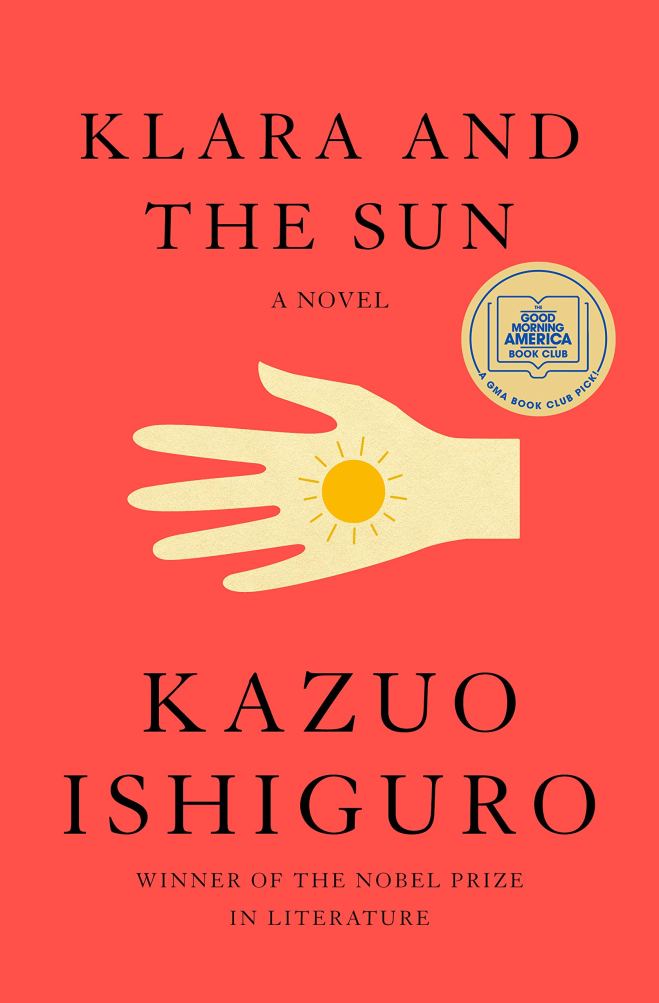
Klara and the Sun, by Kazuo Ishiguro – A new Kazuo Ishiguro novel is always an event. Klara and the Sun, his latest, follows an exceptionally observant Artificial Friend (a.k.a. lifelike robot) as she is absorbed into a family and concocts a plan to save the life of the ill daughter of the house. It had a very Never Let Me Go vibe, which had me worried, but (spoiler) it does end slightly better than that downer. Klara was sweet and poignant and quite, quite weird.

June was a library heavy month for me! It just happened that a bunch of holds hit at once – it’s been over a year since I’ve had that situation, goodness – and other than the back issue of Slightly Foxed and British Summer Time Begins, it was all library for me. Brit Bennet is always going to be a highlight, and I’m glad I finally got to Wintering, after so many friends have raved about it. That said, I am looking forward to getting back to my own shelves in July.

What did you read in June?

Themed Reads: Quotidian Novels

There are 365 of them in a year, and an untold number in a life – days. And as many days as there are, that’s how many cliches there are about them. They’re long, but the years are fast. Saturday and Sunday go too quickly; Monday through Friday drag. And so on and so forth. In the space of a single day, there is plenty of room for all sorts of action – even an ordinary, not particularly eventful, day. I love to read quotidian novels – novels that take place over the course of one day – I love to sink into them and be swept along on the tide of hours as the characters move through their rhythms, living from moment to moment and reminiscing on past experiences and encounters. Here are three favorites:

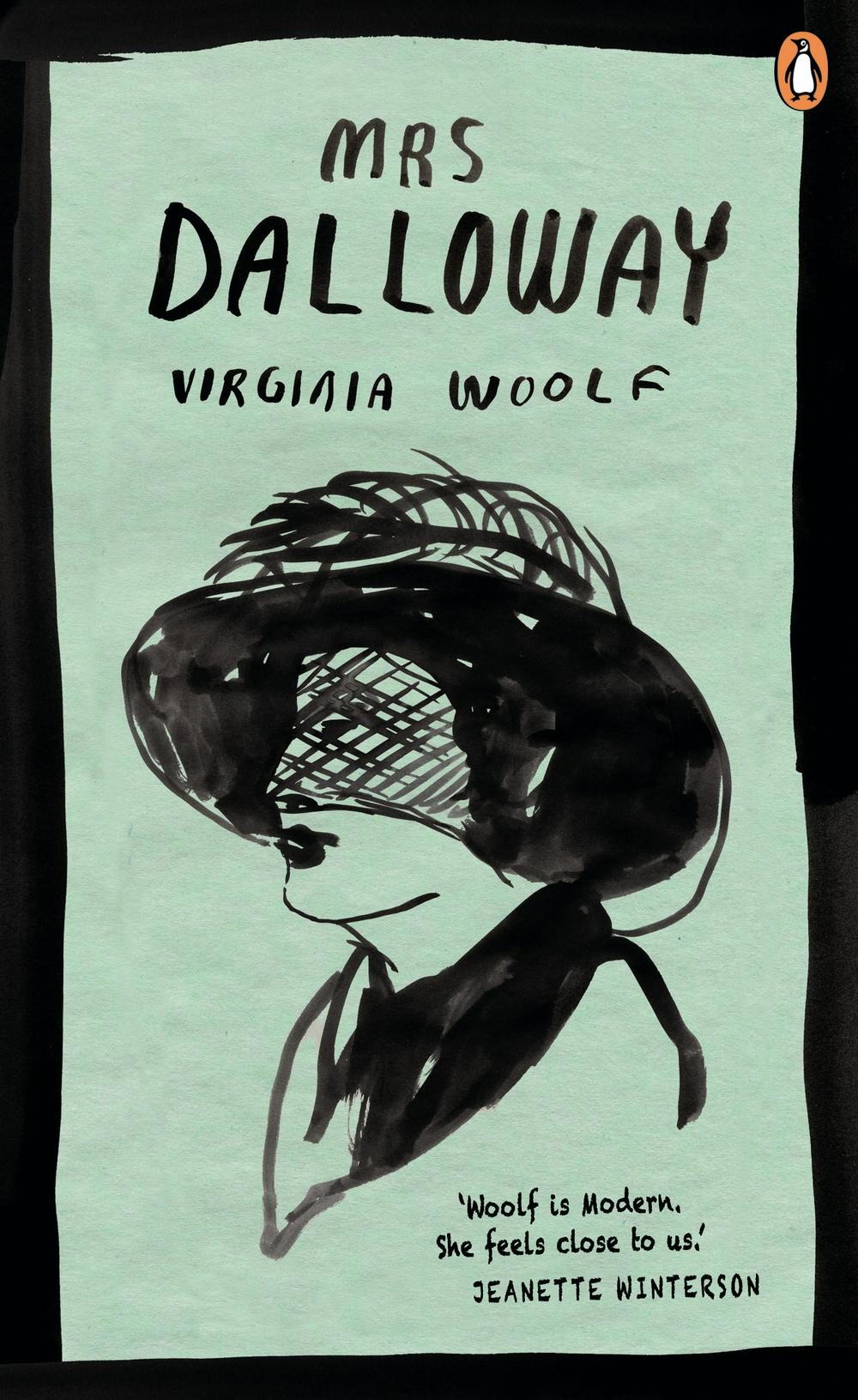
Mrs. Dalloway, by Virginia Woolf, is perhaps the definitive quotidian novel. The novel opens in the morning; Clarissa Dalloway is out shopping and planning for a party to take place later that day. As the day unfolds, Mrs. Dalloway reflects on life, marriage, motherhood, and the impending transition from middle to old age. I’d read several Virginia Woolf novels before attempting Mrs. Dalloway, but never felt like I really “got” them. But as I was swept along with Clarissa Dalloway, Woolf finally started to make sense to me, and I found myself absolutely loving the book.

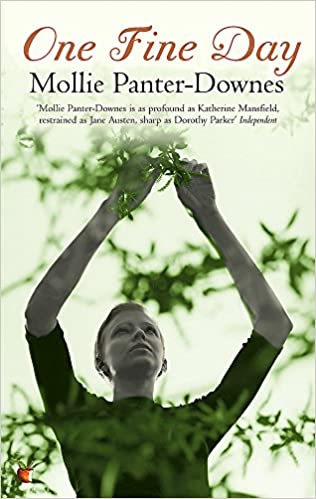
Mollie Panter-Downes’ classic of post-war England, One Fine Day, is as beautifully written, and as captivating, as Mrs. Dalloway. In One Fine Day, the Second World War has just recently ended, and Laura and Stephen Marshall are looking ahead to an uncertain future. As Clarissa Dalloway tremulously confronts the senior years, Laura is similarly tentative in looking ahead to the new post-war world (and there are some poignant meditations on individual aging in One Fine Day, too).

I saved the most fun for last: Miss Pettigrew Lives for a Day, by Winifred Watson, is pure delight from the first page to the last. When the novel opens, the titular Miss Pettigrew is dispatched from an employment agency to a job interview. An indifferent nanny, Miss Pettigrew is ground down by life and circumstances – but all of that changes, at least for the day, when Miss Pettigrew crosses paths with her potential employer, nightclub singer Delysia LaFosse. Miss LaFosse is a sparkling confection of a person, and Miss Pettigrew finds herself tumbling from scrape to scrape as Miss LaFosse careens through her day – occasionally stopping to pinch herself and reflect that this, indeed, is “Life.” I loved every moment of Miss Pettigrew’s day.

What are your favorite quotidian novels?

Reading Round-Up: May 2021

Reading is my oldest and favorite hobby. I literally can’t remember a time in my life when I didn’t love to curl up with a good book. Here are my reads for May, 2021.

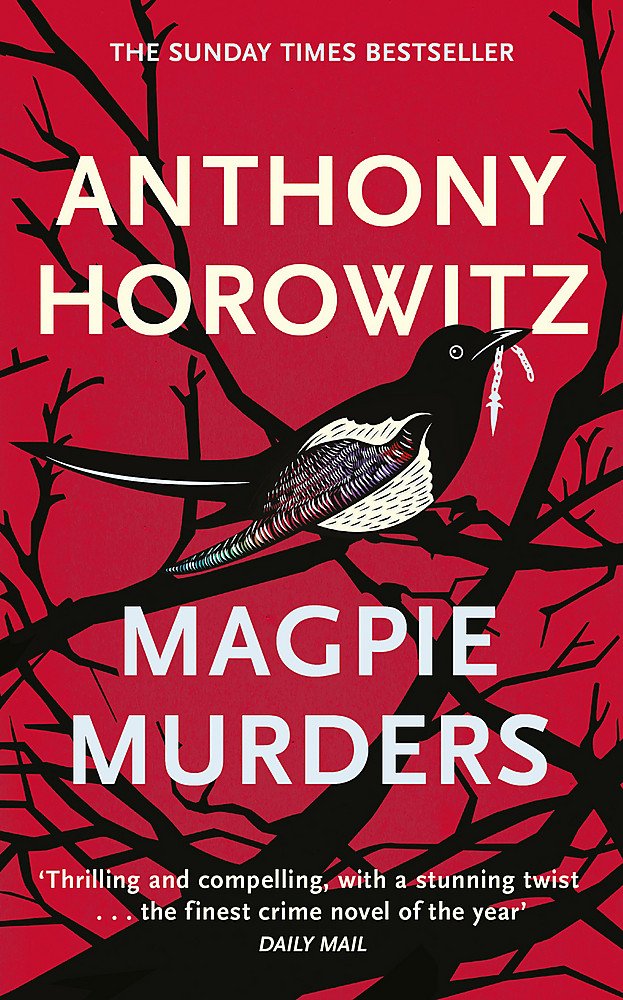
Magpie Murders (Susan Ryeland #1), by Anthony Horowitz – Book editor Susan Ryeland receives a manuscript from her publishing company’s most celebrated author, but it’s missing the final chapter; then the author turns up dead. Susan is convinced there’s a connection, and sets about investigating. I enjoyed this mystery-within-a-mystery just fine, but don’t feel compelled to continue on with the series.
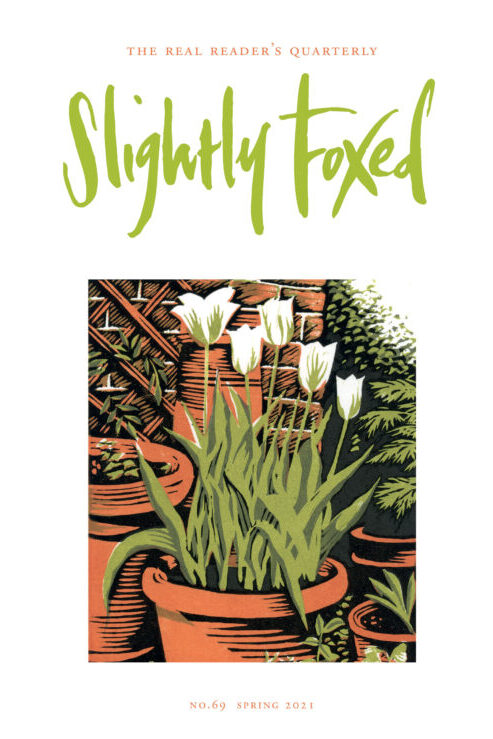
Slightly Foxed No: 69: The Pram in the Hall, ed. Gail Pirkis and Hazel Wood – A new issue of Slightly Foxed is always a treat! This one featured a few books I’d already read (1984 and Cheerful Weather for the Wedding) and one I really want to get to, soon (A Month in the Country).
Rhubarb Rhubarb: A Correspondence Between a Hopeless Gardener and a Hopeful Cook, by Mary Jane Paterson and Jo Thomspon – I blew through this collection of email correspondence in one sitting, and loved every second of it. Thompson is a celebrated garden designer and Paterson a cooking instructor; the two friends share their wit and wisdom with one another in a cheerful and uplifting email exchange. There are gorgeous photographs and illustrations, and I want to make every single one of Mary Jane’s recipes, and try out all of Jo’s gardening tips.

The Geography Reader, Vol. I, by Elinor M. Brent-Dyer – Girls Gone By Publishers has recently issued the second volume of a collection of Elinor Brent-Dyer’s four “geography” novellas – this first volume is out of print but I couldn’t resist tracking it down on Abebooks. This one contains two novellas – one about Australia and one about New Zealand. They’re not particularly eventful plots, but that’s not the intention – the idea, at the time, was to promote the Commonwealth by showcasing the attractions of the different member nations; this is a fun way to do that. I liked the Australia novella a bit better, but both were a lot of fun.

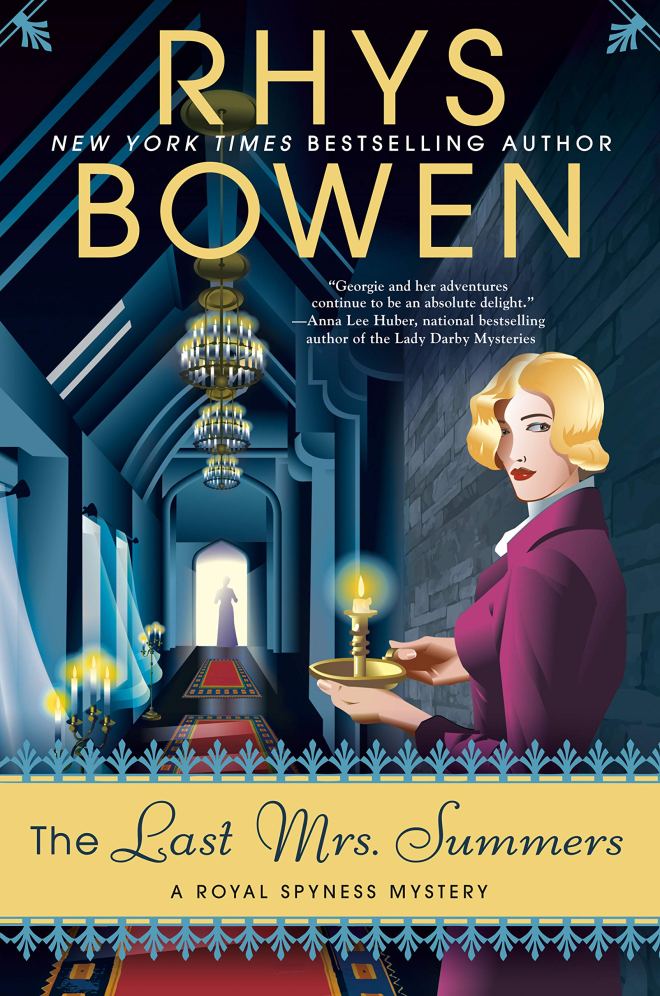
The Last Mrs. Summers (Her Royal Spyness #14), by Rhys Bowen – Another installment in Georgie’s adventures! Lady Georgianna is settling into married life and her new role as mistress of Eynsleigh – a manor house she will inherit from her erstwhile stepfather, Lord Hubert. When Darcy O’Mara is called off to another secret mission, Georgie assuages her boredom and loneliness by accompanying her best friend, Belinda, to inspect a cottage Belinda has recently inherited in Cornwall. Obviously, there is a murder – and Belinda is the prime suspect. There are all kinds of nods to Daphne du Maurier’s Rebecca, one of my favorite novels, and I loved it.

The Other Bennet Sister, by Janice Hadlow – This doorstopper of a novel imagines Mary Bennet’s life during and after the events of Pride and Prejudice. It was fun, although the writing style took a little getting used to and it was probably 100 pages too long. Still, I enjoyed Mary’s perspective and was rooting for her to find love.

Spring: An Anthology for the Changing Seasons, ed. Melissa Harrison – I loved Winter, and Spring was just as good. Harrison collects historic and recent writings about the season into this beautifully presented paperback volume. I can’t wait to continue on with the rest of the series.

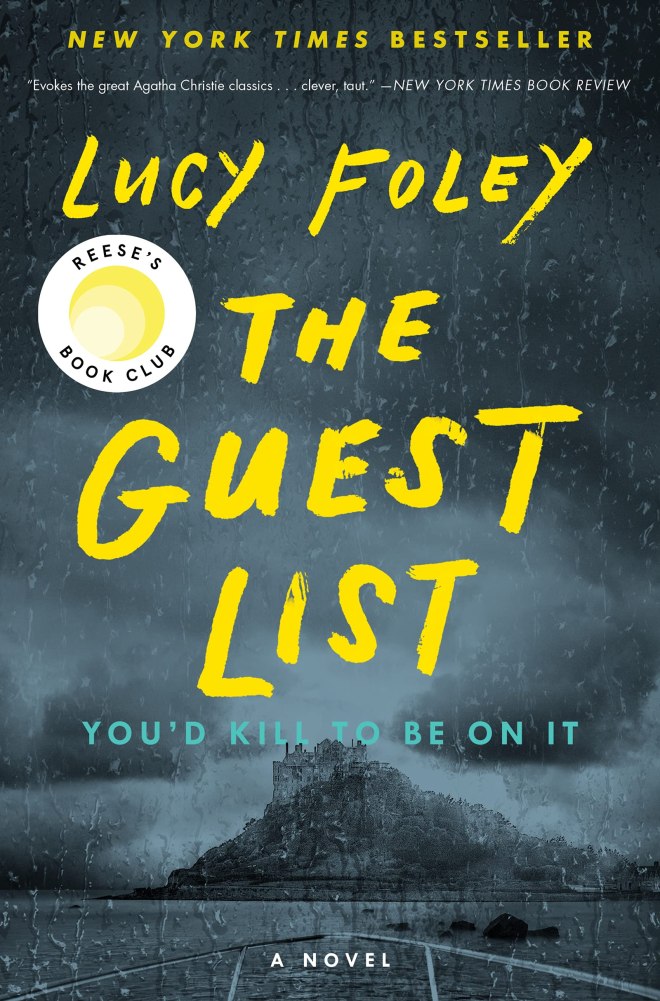
The Guest List, by Lucy Foley – The premise is fun: a group of wedding guests gathers on a remote island to celebrate the nuptials of a popular television actor and a magazine publisher. By the time the wedding festivities are over, someone will be dead. Who is the killer – and who will be the victim? This was a fun, twisty suspense novel, and I didn’t guess the answer! It wasn’t earth-shattering but I did enjoy it.

Mrs. Tim of the Regiment (Mrs. Tim #1), by D.E. Stevenson – I have loved D.E. Stevenson’s novels for years, but somehow did not make my way to Mrs. Tim. Strange, because Hester Christie is probably Stevenson’s most famous character! I finally got around to this one, and loved it. Mrs. Tim’s diary chronicles the joys and travails of life as a British Army officer’s wife – and it’s such a fun read.

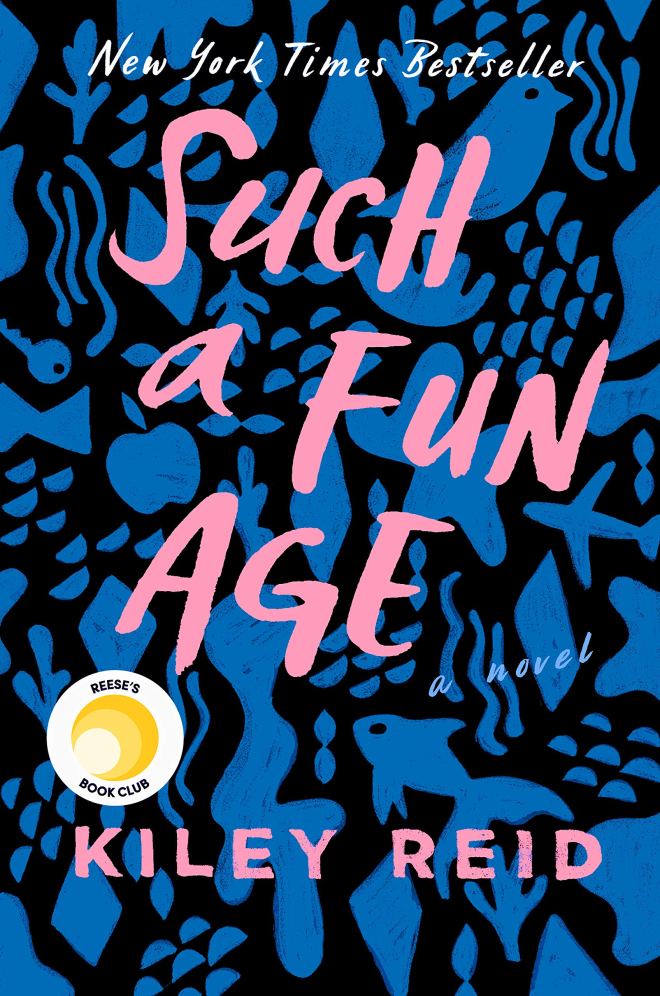
Such a Fun Age, by Kiley Reid – This one has been so hyped; probably over-hyped. One fall evening, Alix Chamberlain calls her babysitter, Emira Tucker, and asks Emira to take Alix’s toddler out of the house during a family crisis. Emira brings little Briar to an upscale grocery store to kill time, and is shocked when she is accused of kidnapping the toddler. A bystander films Emira’s interaction with store security – an interaction which ends well, thankfully, but sets off a chain of events that will change Emira’s life as well as Alix’s. This was an engagingly written meditation on race in the age of social media.

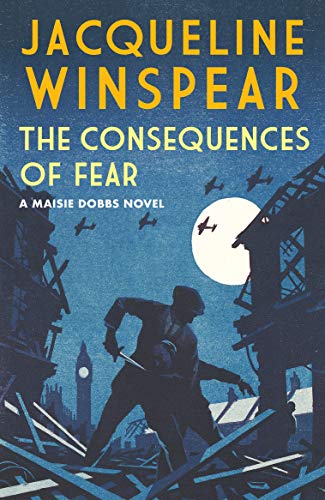
The Consequences of Fear (Maisie Dobbs #16), by Jacqueline Winspear – I waited not-so-patiently for my turn with the new Maisie, and my library hold finally came up! Young message runner Freddie Hackett witnesses what appears to be a murder – but there’s no body. The police don’t believe Freddie, but Maisie Dobbs does. Setting about to investigate, Maisie clashes with her contact in the British government, Robbie MacFarlane, and highly-placed Free French officers. Meanwhile, Maisie tries to sort out her personal life, and the United States inches closer to World War II.

Majesty (American Royals #2), by Katharine McGee – This is pure brain candy, but it is fun. The second installment of the American Royals series sees Queen Beatrice, recently installed on the throne as the first Queen Regnant of America, getting ready to marry Lord Teddy Eaton – for convenience and the crown. Meanwhile, Princess Samantha tries to get over her crush on Teddy; Nina Gonzalez has trouble extricating herself from the world of the Washington family; and Daphne Deighton continues to scheme. I do enjoy the American history nuggets buried in these books; they’re no classics, but they’re a good – and a bit silly – way to while away an afternoon

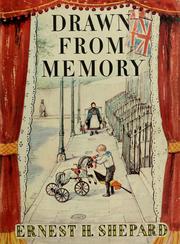
Drawn from Memory, by Ernest H. Shepard – E. H. Shepard’s work is instantly recognizable as the iconic images of Pooh and friends, as well as Mole, Ratty and Toad. His Victorian childhood memoir is liberally sprinkled with charming images of the same style. Shepard describes Victorian Christmas holidays; a gaggle of maiden aunts; racing hansom cabs on his three-wheeled horse; visiting the Pantomime, and so many other charming scenes. I loved it.

Drawn from Life, by Ernest H. Shepard – The second volume of E. H. Shepard’s memoirs begins tragically, with the death of his beloved mother when he is ten years old. The family does eventually come out of their fog of grief, but Shepard writes very honestly that his mother’s death impacted him much more than he realized at the time. Shepard takes us through his years at school, the development of his talents as an artist, and falling in love with a fellow art student. Like in Drawn from Memory, his signature line drawings are sprinkled throughout, enlivening almost every page.

May is a long month, and this is a long book list! There were quite a few highlights this month – including the two E. H. Shepard memoirs, the latest installment in Maisie’s adventures, Rhubarb Rhubarb, and of course, Mrs. Tim! I’m looking ahead to long light evenings of summer reading now.

The Classics Club Challenge: The House of Mirth, by Edith Wharton

Gilded Age Long Island – photo from Wikipedia

“From the beginning?” Miss Bart gently mimicked her. “Dear Gerty, how little imagination you good people have! Why, the beginning was in my cradle, I suppose – in the way I was brought up, and the things I was taught to care for. Or no – I won’t blame anybody for my faults: I’ll say it was in my blood, that I got it from some wicked pleasure-loving ancestress, who reacted against the homely virtues of New Amsterdam, and wanted to be back at the court of the Charleses!” And as Miss Farish continued to press her with troubled eyes, she went on impatiently: “You asked me just now for the truth – well, the truth about any girl is that once she’s talked about she’s done for; and the more she explains her case the worse it looks. – My good Gerty, you don’t happen to have a cigarette about you?”

There are a few authors I’ve been rationing, and Edith Wharton is one of them. Having read The Age of Innocence (one of my all-time favorite novels); The Custom of the Country; Ethan Frome; Summer; and some of Wharton’s travel writing, I’m conscious of the fact that I don’t have much left to go, and The House of Mirth is regarded by many as her masterpiece – so I was saving it. Still, I’d like to go to The Mount, Wharton’s home in Lenox, Massachusetts, this summer. And I figured it would be good to read The House of Mirth before I do.

The House of Mirth is the story of a falling star. Lily Bart – beautiful, elegant, witty – is the toast of Gilded Age Manhattan. Drifting from New York to Newport to Rhode Island, Lily can be found wherever the most exclusive party is gathering. But life at the center of Old New York is expensive, and Lily is poor. Although raised in a wealthy household, her parents frittered away their entire fortune, leaving Lily with no assets other than her beautiful face. (Note: Lily is described as having “bright” hair. I originally envisioned her as a blonde, but it’s later mentioned that her hair is red. At that point, Amy Adams took over the role of Lily Bart in my mental movie.)

When the novel opens, Lily is awaiting a train. She’s heading to Bellomont, the home of her best friend, Judy Trenor, for a weekend of champagne-quaffing and bridge-playing. While there, Lily is hoping to close an important deal: an engagement to the fabulously wealthy (and deathly dull) Percy Gryce. It’s do or die time; in Lily’s gilded circles, a woman who is still unmarried at 24 is on the shelf. Lily is 29.

While waiting for her train, Lily accompanies Lawrence Selden, a young lawyer on the fringes of fashionable Manhattan life, to tea in his apartment. Both Lily and Selden know that he could never be a serious suitor, but they’re drawn to one another regardless. Lily takes the opportunity to grill Selden about collecting “Americana” – known to be Percy Gryce’s only real interest – and then departs for Bellomont, where she employs all her charms on Gryce. But what the reader comes to learn about Lily is this: she’s terrible at angling. After hooking her fish, Lily never manages to reel it in – instead, inexplicably, she always throws it back.

She had been bored all the afternoon by Percy Gryce – the mere thought seemed to waken an echo of his droning voice – but she could not ignore him on the morrow, she must follow up her success, must submit to more boredom, bust be ready with fresh compliances and adaptabilities, and all on the bare chance that he might ultimately decide to do her the honour of boring her for life.

The entire point of the weekend at Bellomont was for Lily to hook Percy Gryce. But this is Lily Bart, so something always happens. This time, what happens is: Lawrence Selden shows up, distracts Lily from her occupation, and the big fish escapes, only to be promptly captured by a luckier angler, Evie Van Osburgh. Lily makes a half-hearted attempt to recapture Gryce, but everyone knows it’s never going to happen. And that’s Lily all over – freewheeling from near-miss to near-miss, trying to keep up with the fashionable set on a pitifully poor and sporadic income.

Looking to shore up her funds while she plans her next move on the marriage market, Lily looks to another market – the stock market. Pressing her friend Judy’s husband Gus for a “tip,” she allows Gus to invest what she believes is her own money, and she receives a handsome payout, to her delight. Unfortunately, Lily soon discovers that she’s been duped; Gus didn’t speculate with her money – he simply gave her some of his, and he expects a return on his “investment.” Lily is disgusted at the idea of being indebted to Gus, and she has no intention of becoming his paramour – but repayment is complicated, because she spends the money before she discovers Gus’s treachery.

Meanwhile, the rest of Lily’s family – including her stick-in-the-mud aunt – gets wind of her card-playing. Things are about to get really unpleasant for Lily, but she’s rescued (sort of) by Bertha Dorset, another member of the Manhattan smart set, who whisks Lily off on a Mediterranean cruise. Lily’s purpose is to distract Bertha’s husband George while Bertha flirts with another of the couple’s guests. It’s all going swimmingly (pun intended) until things begin to sour between Bertha and George – and Lily becomes the casualty. By the time she gets back to Manhattan, her name is mud.

Lily is a compelling, but frustrating, character. At turn after turn, she makes terrible decisions that sabotage her plans and, ultimately, her well-being. I think we’re supposed to root for Lily to give up on her aspirations of “keeping up with the Joneses” and realize that true happiness would lie in an upper middle-class life as Mrs. Lawrence Selden. But realistically – Lily is never going to make that leap. So I was rooting for her to land a big fish, even though I knew (spoiler) that she would not succeed, and it was all going to end badly. And really, in the end, Lily is her own worst enemy. Blowing off Percy Gryce is the first instance in the book, but Wharton assures the reader this is perfectly in keeping with Lily’s character, and not the first time she’s gotten 95% of the way to closing an engagement deal, only to flake and cause it to all fall apart. (There was an Italian prince with a handsome stepson…) And it’s not just with the gentlemen – when Bertha throws Lily under the proverbial bus during the Mediterranean cruise, Lily’s best hope for keeping her reputation intact is to beat Bertha back to New York and be the one to break the story. Despite clearly knowing this, Lily dawdles in London – with the result that Bertha beats her home, controls the narrative, and shreds Lily’s reputation to tatters by the time Lily’s ship arrives in New York Harbor. Lily’s problems are all the more tragic – and infuriating – for being so generally avoidable.

I loved the character of Lily, and the side characters are wonderful, too. Eminently decent Selden and his kind-hearted cousin Gerty Farish; deliciously vile Bertha Dorset and Gus Trenor; sad sack George Dorset; plucky, scheming Carry Fisher; dull Aunt Julia. The entire book is vintage Wharton – between the glittering settings and the snarky wit. I obviously loved the descriptions of Gilded Age mansions and parties, but I think my favorite part was Wharton’s bitchy (sorry, but that’s really the best word for it) wit. For instance, the nasty little aside that a certain character, like all “unpunctual persons,” disliked to be kept waiting – burn. The best example, though, might be Lily’s derisive observations of her fellow guests at Bellomont, early in the book:

She looked down the long table, studying its occupants one by one, from Gus Trenor, with his heavy carnivorous head sunk between his shoulders, as he preyed on a jellied plover, to his wife, at the opposite end of the long bank of orchids, suggestive, with her glaring good-looks, of a jeweler’s window lit by electricity. And between the two, what a long stretch of vacuity! How dreary and trivial these people were! Lily reviewed them with a scornful impatience: Carry Fisher, with her shoulders, her eyes, her divorces, her general air of embodying a “spicy paragraph”; young Silverton, who had meant to live on proof-reading and write an epic, and who now lived on his friends and had become critical of truffles; Alice Wetherall, an animated visiting-list, whose most fervid convictions turned on the wording of invitations and the engraving of dinner-cards; Wetherall, with his perpetual nervous nod of acquiescence, his air of agreeing with people before he knew what they were saying; Jack Stepney, with his confident smile and anxious eyes, half way between the sheriff and an heiress; Gwen Van Osburgh, with all the guileless confidence of a young girl who has always been told that there is no one richer than her father.

OMG. I can’t handle this sick burn. Mrs. Fisher, with “her shoulders, her eyes, her divorces.” Poor Alice, “an animated visiting-list.” Can’t you just see Gus Trenor, “preying” on his dinner? And his wife, glittering gaudily like “a jeweler’s window lit by electricity”? This is masterful snark. Edith Wharton, my hat is off to you. Please teach me.

The House of Mirth was fabulous. I’m so glad I read it, and I can understand why it’s considered Wharton’s masterpiece (although I think I still personally prefer The Age of Innocence). I’ll be re-reading it for sure – just as soon as my tear-sodden copy dries out.

What’s your favorite Edith Wharton?

Reading Round-Up: April 2021

Reading is my oldest and favorite hobby. I literally can’t remember a time in my life when I didn’t love to curl up with a good book. Here are my reads for April, 2021.

The Iliad, by Homer – Reading Homer’s epic poem of the Trojan War seemed like a good way to begin National Poetry Month. It was certainly an undertaking! I loved the gods of Olympus and their squabbles; was less delighted by the gleeful gore of the war scenes. Fully reviewed (for the Classics Club) here.

Ten Poems About Walking, selected by Sasha Dugdale – These “instead of a card” collections from Candlestick Press are so much fun; what a total delight to read a handful of carefully selected poems on an appealing topic. Ten Poems About Walking ranges from classics of the form to more modern selections, and it’s a lovely, balanced collection.

Williams Wordsworth, selected by Seamus Heaney – I’ve been wanting to read more of the classic nature poets, and Wordsworth is the grandfather of them all, so I figured I’d begin with him. The language took some getting used to, but it was lovely to spend a day with him. (I suspect I’d like Dorothy Wordsworth’s Grasmere Journals even more…)

Ten Poems for Spring, selected by Katharine Towers – Spring is my fourth favorite season, as I’ve often said, but reading beautiful poems about blossoming and budding and the awakening of the earth does help. This was a very nice and well-balanced selection.

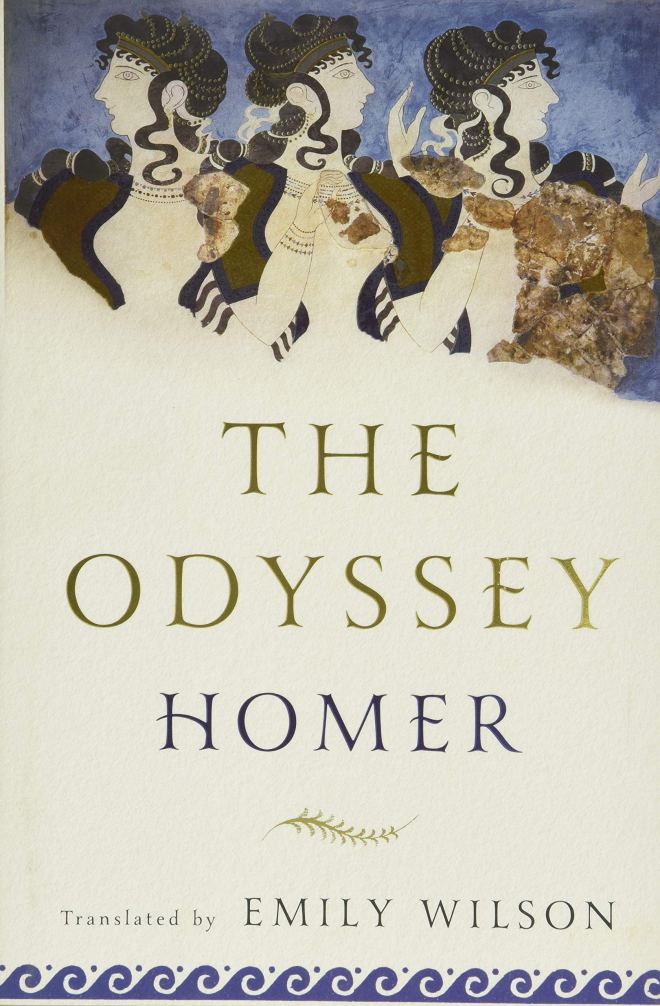
The Odyssey, by Homer – I enjoyed this much more than The Iliad – not sure if it was the plot (high seas adventure with monsters beats war any day) or the translation, which was modern and crisp. (And it doesn’t hurt that Emily Wilson is – I think? – the first woman to translate The Odyssey.) There was a little gore, because Homer’s gotta Homer, but it wasn’t near the levels of The Iliad, and the story moved more quickly, too. Fully reviewed (for the Classics Club) here.

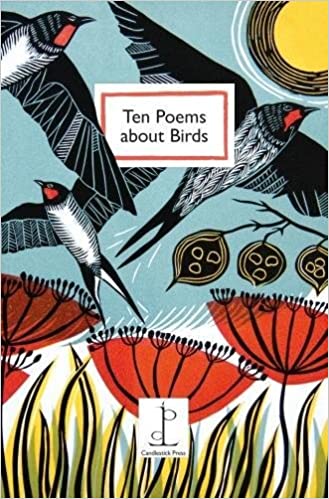
Ten Poems About Birds, selected by Katharine Towers – After Homer, something short and sweet is called for, and another Candlestick Press selection delivered. I am a bird nerd, as you all know very well by now, and apparently birds are one of the classic subjects of nature poetry. Good for meeeeeeee…

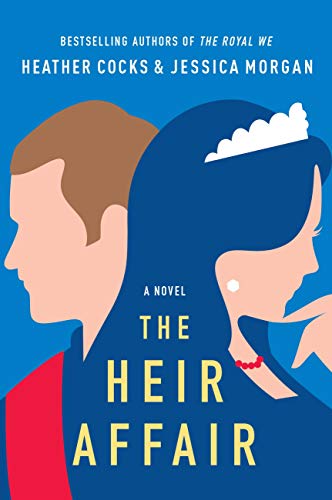
The Heir Affair (The Royal We #2), by Heather Cocks and Jessica Morgan – Needing a break from iambic pentameter, etc., and some brain candy, I turned to the library stack and The Heir Affair, the follow-up to 2015’s The Royal We. In this second installment of the adventures of Nick, Bex, and Freddie, the authors depart from the strict Will and Kate fanfiction and head off in a different direction. It’s fun and unexpected. I loved Nick and Bex, as usual, and Princess Daphne made for a delightful new addition to the gang. The best, though, was Bex getting Queen Eleanor into baseball. “Young man, you may suck it.” I snorted.

Betsy and Tacy Go Over the Big Hill (Betsy-Tacy #3), by Maud Hart Lovelace – Peanut and I are continuing our read-through of the first four Betsy-Tacy books (I think we’ll table the series when the girls get to high school, for now anyway, since the plots are a bit beyond second grade). This is a sweet one – Betsy, Tacy and Tib explore beyond their usual haunts and stumble across a rich community of Syrian immigrants, which broadens everyone’s horizons.

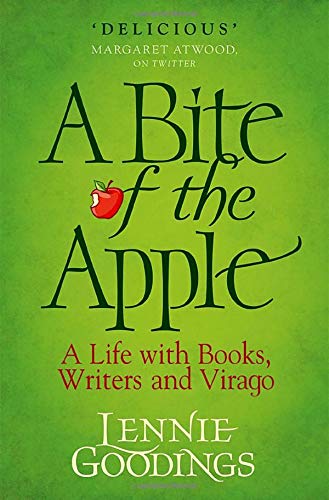
A Bite of the Apple: A Life with Books, Writers, and Virago, by Lennie Goodings – As a confirmed fan of Virago – especially the Virago Modern Classics line – I was really interested to read this history of the company by one of its longest-tenured employees. Parts of the book were excellent (I particularly enjoyed Goodings’ memories of her interactions with Virago writers like Marilynne Robinson, Margaret Atwood, and Maya Angelou) but it could be dry and dragging at other times. Glad I read it, but don’t see myself returning to it for re-reads.

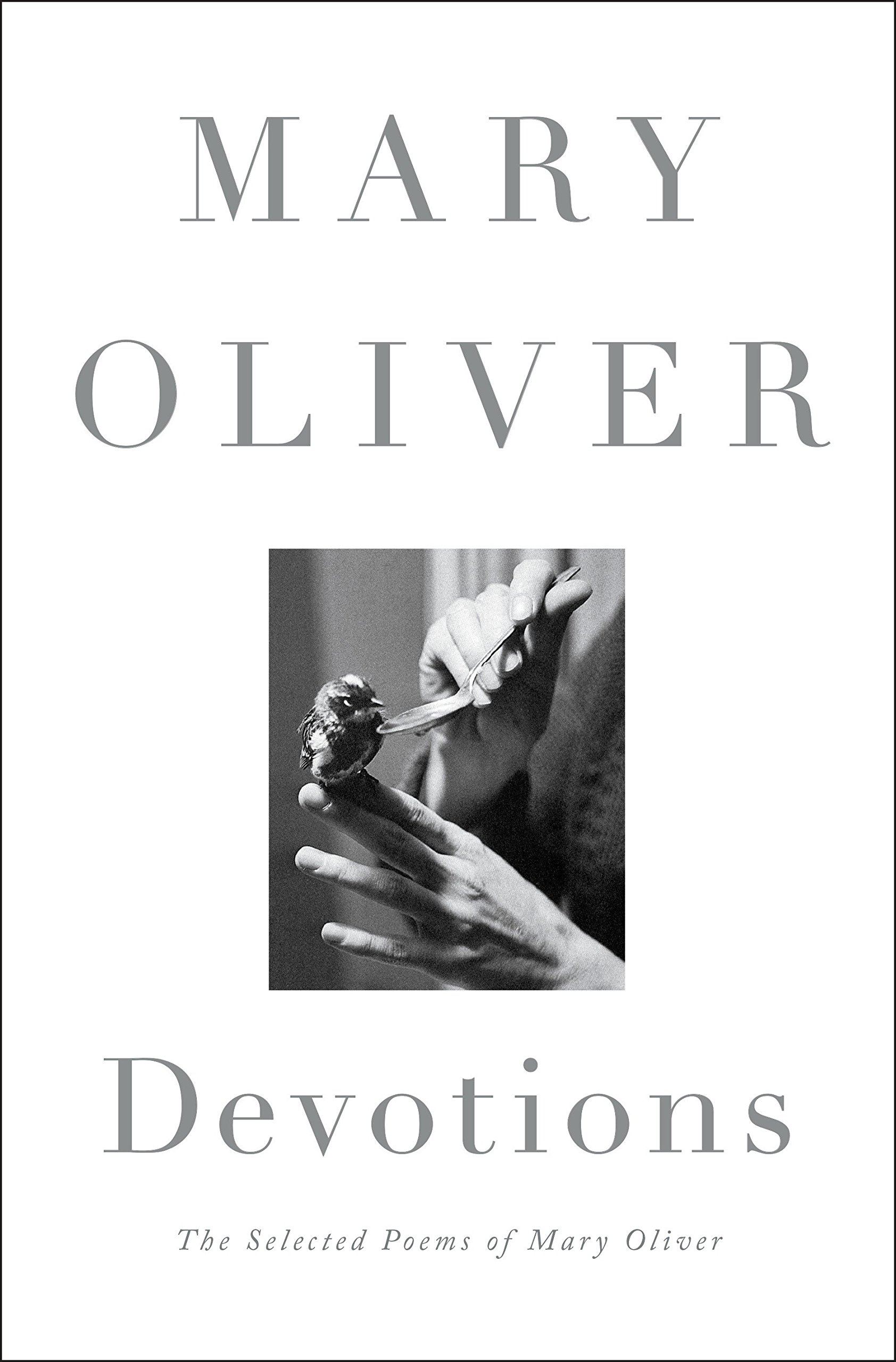
Devotions: The Selected Poems of Mary Oliver, by Mary Oliver – I’m not someone who simply has to read Mary Oliver as a spring ritual, but I really enjoy her poetry and it does pair well with the spring season and National Poetry Month. My mom gave me this volume – a sampling of poems from all of Oliver’s books going back to the 1960s, selected by the poet herself – for Christmas a few years ago and I finally sat down with it and read it all the way through. I loved it – of course. So many Oliver classics here, but also many that I had never read before. Of course, “Humpbacks” was my favorite.

Spring Magic, by D.E. Stevenson – What a way to end the month! I think this stand-alone novel was my favorite read of the month. It’s something of a Cinderella story – Frances Field, downtrodden and lonely, escapes a life of drudgery as unpaid companion to a demanding aunt and flees to Scotland for a vacation. In Scotland, she encounters eccentric locals and a group of vivacious military wives and their husbands – and one unattached officer, Guy Tarlatan. Romance buds, hijinks and misunderstandings follow. Frances is a delight, her friends are such fun, and the setting and story are captivating.

What a month! I started it out all-poetry, all-the-time. Loved it, although by mid-month I was ready for a change. Highlights were end-loaded; the best two books of the month were the last two I read – Devotions and Spring Magic. Very different, but equally wonderful. I’m looking ahead to a good month of reading in May; really hoping the tree pollen will clear up so I can log some reading hours in the backyard.

What did you read in April?