The Classics Club Challenge: The Song of the Lark, by Willa Cather

The Song of the Lark is technically the second book in Willa Cather’s “Great Plains” trilogy, although it stands alone perfectly well, and you don’t need to read the first book (O, Pioneers!) or the third (My Antonia) to follow and enjoy this unrelated story. Considered to be the most autobiographical of Cather’s novels, The Song of the Lark follows young Thea Kronborg, a talented pianist and singer, from her childhood in a small village in rural Colorado, through her musical education in Denver and Chicago, and her awakening as a stage artist.

As a young girl, Thea knows that she is special. Her mother encourages and facilitates her gifts (even through her siblings’ jealousy and her father’s preoccupation with his religious vocation). Thea attracts the attention of older men in the town – the local doctor, a railway worker who (rather creepily in my 2022 eyes) wants to marry her, a migrant laborer from Mexico. It’s a little strange, this fixation that older men have on Thea, but nothing horrifyingly inappropriate happens (thank goodness) and a few of these relationships lead Thea to leave her small-town home to study and experience music in the big city.

In Denver, and later – especially – Chicago, Thea is a fish out of water. She struggles to concentrate in her lessons and she fights against constant, grinding poverty. Thea does find friends everywhere she goes – a few, good friends – but she also finds a lot of indifference and discouragement. But there are moments of light, when she begins to awaken to her art, lose her heavy guard, and the reader sees the potential artist.

She was not ready to listen until the second number, Dvorak’s symphony in E minor, called on the programme, “From the New World.” The first theme had scarcely been given out when her mind became clear; instant composure was upon her, and with it came the power of concentration. This was music she could understand, music from the New World indeed! Strange how, as the first movement went on, it brought her back to that high tableland above Laramie; the grass-grown wagon-trails, the far-away peaks of the snowy range, the wind and the eagles, that old man and the first telegraph message.

Side note: while context clues made it clear that Thea hails from somewhere around Fort Collins (or thereabouts) Cather’s gritty, glittering descriptions of the landscape called to mind the western slope of Colorado, where my brother lives, and I couldn’t shake that picture.

Wire fences might mark the end of a man’s pasture, but they could not shut in his thoughts as mountains and forests can. It was over flat lands like this, stretching out to drink the sun, that the larks sang – and one’s heart sang there, too. Thea was glad that this was her country, even if one did not learn to speak elegantly there. It was, somehow, an honest country, and there was a new song in that blue air which had never been sung in the world before. It was hard to tell about it, for it had nothing to do with words; it was like the light of the desert at noon, or the smell of the sagebrush after rain; intangible but powerful. She had the sense of going back to a friendly soil, whose friendship was somehow going to strengthen her; a naive, generous country that gave one its joyous force, its large-hearted, childlike power to love, just as it gave one its coarse, brilliant flowers.

I have not read Willa Cather in many years – I think I read My Antonia back in college, and not since, and I’d never read any other Cather. I bought The Song of the Lark at the Strand in New York City at least ten years ago and have been moving it from house to house ever since, so it was long past time. My (admittedly very shady) memory of My Antonia was that I loved Willa Cather’s gorgeous writing about the western landscape, but didn’t find the characters as compelling as I’d expected to – and the experience of reading The Song of the Lark was the same. I certainly rooted for Thea to find her way in a big world; my eyes welled up when one character died in a horrific accident; I liked Thea’s “beer prince” boyfriend and her sad sack piano teachers (both of them) – but I didn’t find the characterization that powerful. This may have been due to the fact that I read The Song of the Lark while I was sick and had some other (private, personal) stuff distracting me – I definitely didn’t give the book my full attention, or really anywhere near as much attention as it deserved, and I’ll bet I’d have had a better, more fulfilling reading experience if I had. Even operating at only half strength, though, I still thought The Song of the Lark was a lovely read, gorgeously written and well worth the time I spent on it. I’ll have to revisit it soon at my full readerly powers and see if the experience expands – like the western landscape – as a result.

Have you read any Willa Cather?

Reading Round-Up: May 2022

Reading is my oldest and favorite hobby. I literally can’t remember a time in my life when I didn’t love to curl up with a good book. Here are my reads for May, 2022.

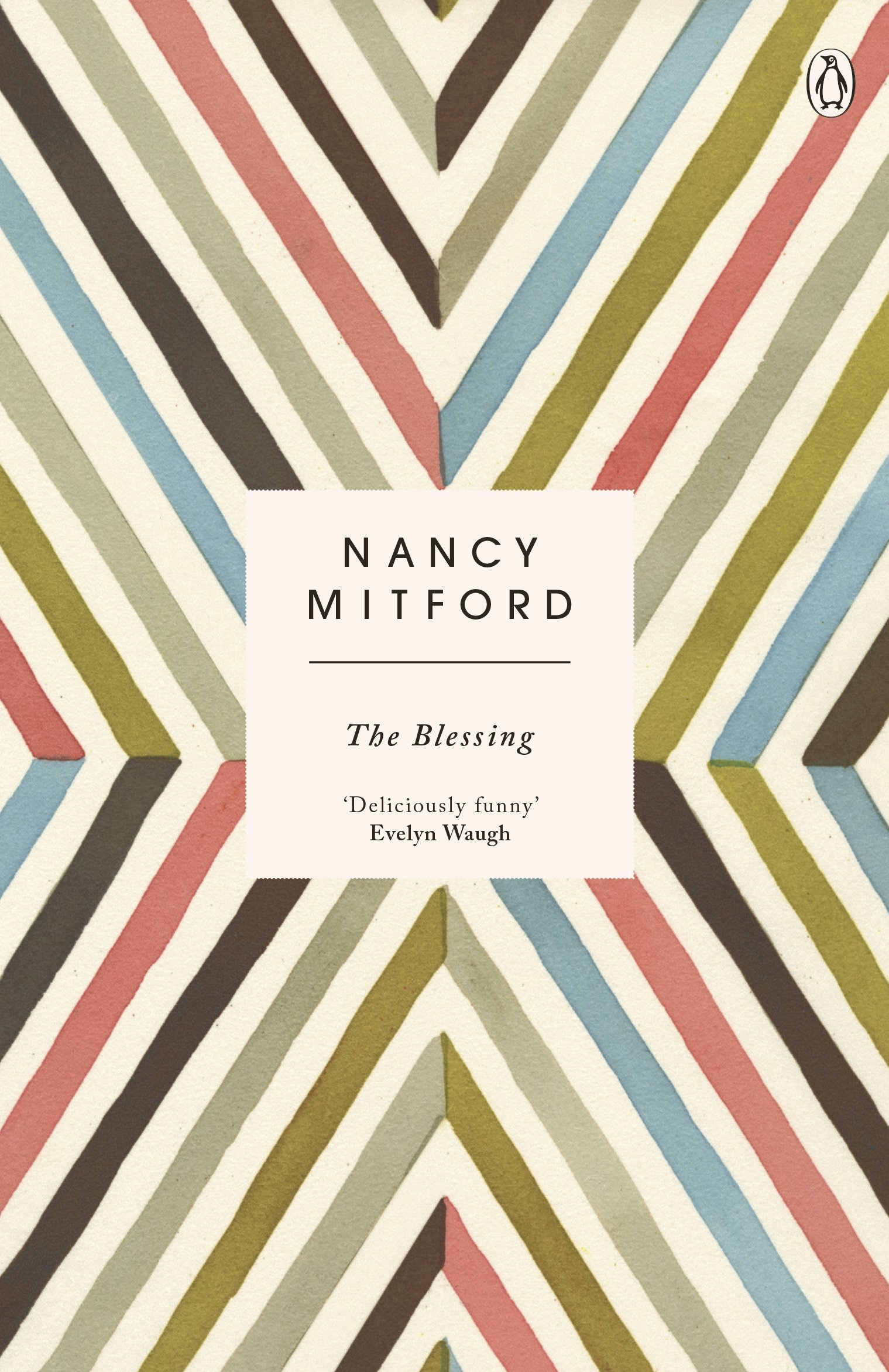
The Blessing, by Nancy Mitford – When a young Englishwoman finds herself swept off her feet by a dashing, aristocratic Frenchman, culture shock ensues. Grace Allingham marries Charles-Edouard de Vallhubert and follows him to Paris with their “blessing,” Sigismund, in tow. But the cultural differences take their toll and when Grace decides she can no longer abide Charles-Edouard’s extracurricular activities, she decamps for London. Sigi, now a precocious little boy of eight years old, discovers that he can get spoiled much more easily with his parents apart, so he embarks on a campaign to keep them separated – a campaign characterized, as one review I read put it, by “Napoleonic cunning and Saxon thoroughness” – just perfect. This was absolutely hilarious.

The Song of the Lark, by Willa Cather – Considered Cather’s most autobiographical novel, The Song of the Lark follows young singer Thea Kronborg through her childhood on the Colorado plains and her awakening as an artist. Full review – for The Classics Club Challenge – coming soon.

Light Rains Sometimes Fall: A British Year Through Japan’s 72 Seasons, by Lev Parikian – So, the subtitle is a bit of a misnomer. Parikian (an orchestral conductor and nature writer, there’s a perfect combination for you!) does view the British year through the Japanese framework of 72 seasons, but he gives each microseason its own, very English, name. I read slowly through this, savoring every descriptive paragraph – it was lovely.

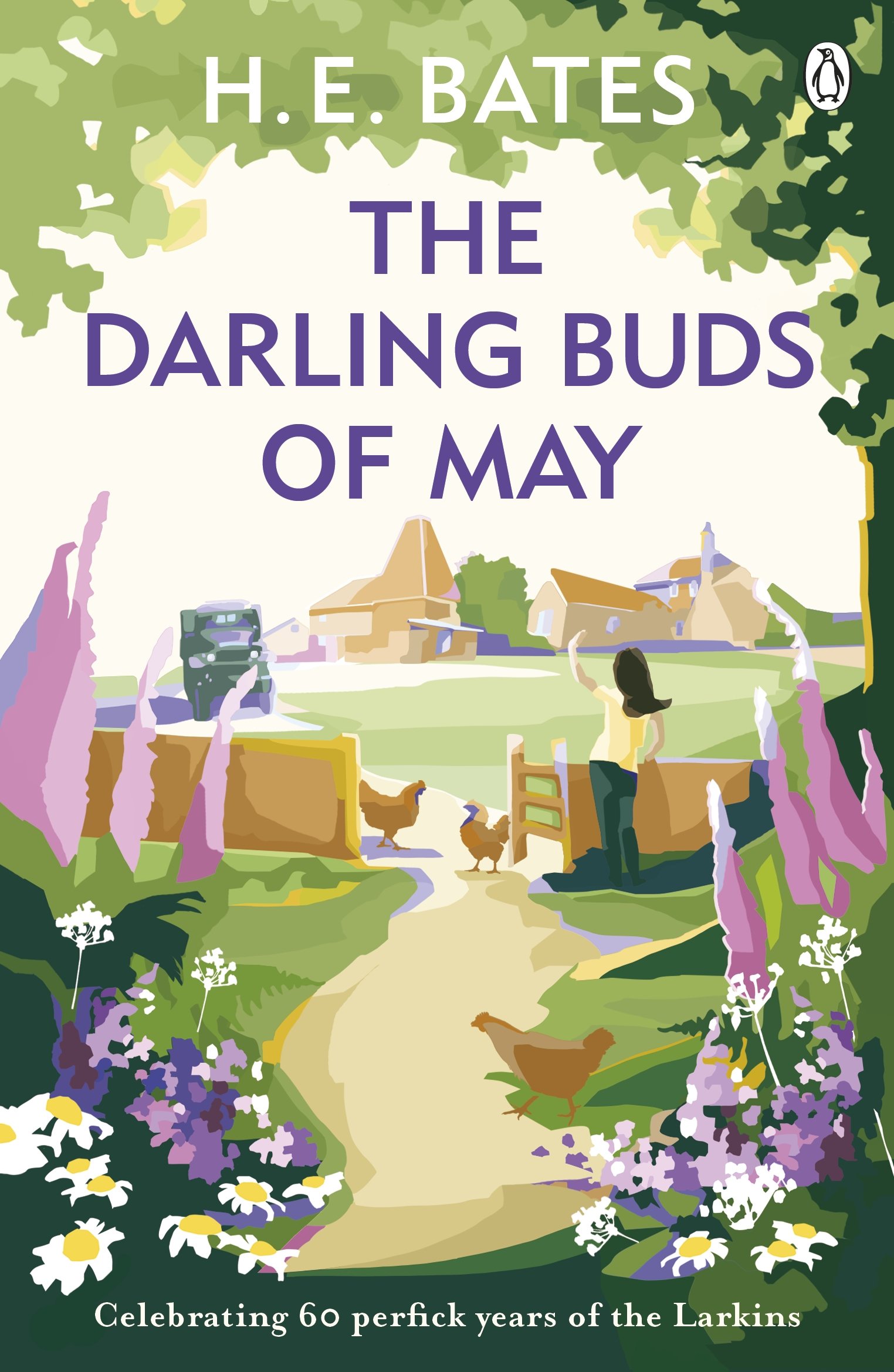
The Darling Buds of May (Larkin Family Chronicles #1), by H.E. Bates – The Larkins are a free-spirited family, living for good food, good company, and the good life generally. But their freewheeling ways seem to have caught up with them in the form of Mr. Cedric Charlston, a young tax inspector who arrives unexpectedly one day to find out why they haven’t submitted their tax returns. The Larkins promptly absorb Mr. Charlston into the family, rechristen him “Charley,” and go right on about their merry business. This was a fun, light read.

Delight, by J.B. Priestley – I had never heard of J.B. Priestley before, but apparently he is known as a master of the short form essay. This collection – compiled as a beautiful 70th anniversary edition, with a really eye-catching cover – explores 114 little things that bring Priestley delight – everything from fountains, to “cosy planning” (I felt that one deeply), to walking holidays and women discussing clothes. I loved it; it was one of those conflicting books that you want to both swallow in one gulp and also savor slowly.

Tom’s Midnight Garden, by Philippa Pearce – Tom Long is disappointed and angry. He had been looking forward to a carefree summer climbing trees with his brother, Peter. But when Peter is quarantined with measles, Tom is sent to stay with his aunt and uncle in their gloomy flat in a converted Victorian mansion. It doesn’t take long for Tom to discover that not everything is what it seems in the rambling old house. The grandfather clock in the hallway strikes thirteen, and Tom is transported every night to a magical garden, sometime in the cloudy past, where he meets a young girl named Hatty. Together, Tom and Hatty spin tales and construct adventures – but as the summer winds to a close and Hatty begins to draw away and grow up, Tom plots how he can put one over on Time itself and stay in the garden, with Hatty, forever. I loved this.

Well – May is a long month but I didn’t get much reading done. Between being under the weather earlier in the month and doomscrolling toward the end of the month, I just couldn’t seem to focus on a book. I did really enjoy everything I read, especially “The Blessing” and “Delight” – highlights of the year, both. For June, I have a big stack I’d like to get to reading, so I’m going to really need to put the phone in the other room, get the news-induced spiral of despair under control, and rekindle my reading evenings.

What did you read in May?

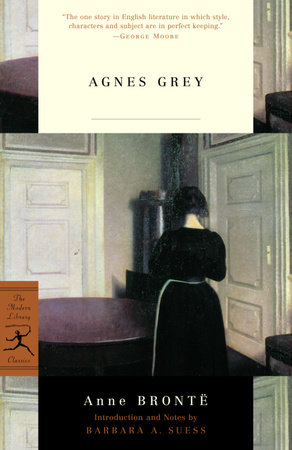
Classics Club Challenge: Agnes Grey, by Anne Bronte

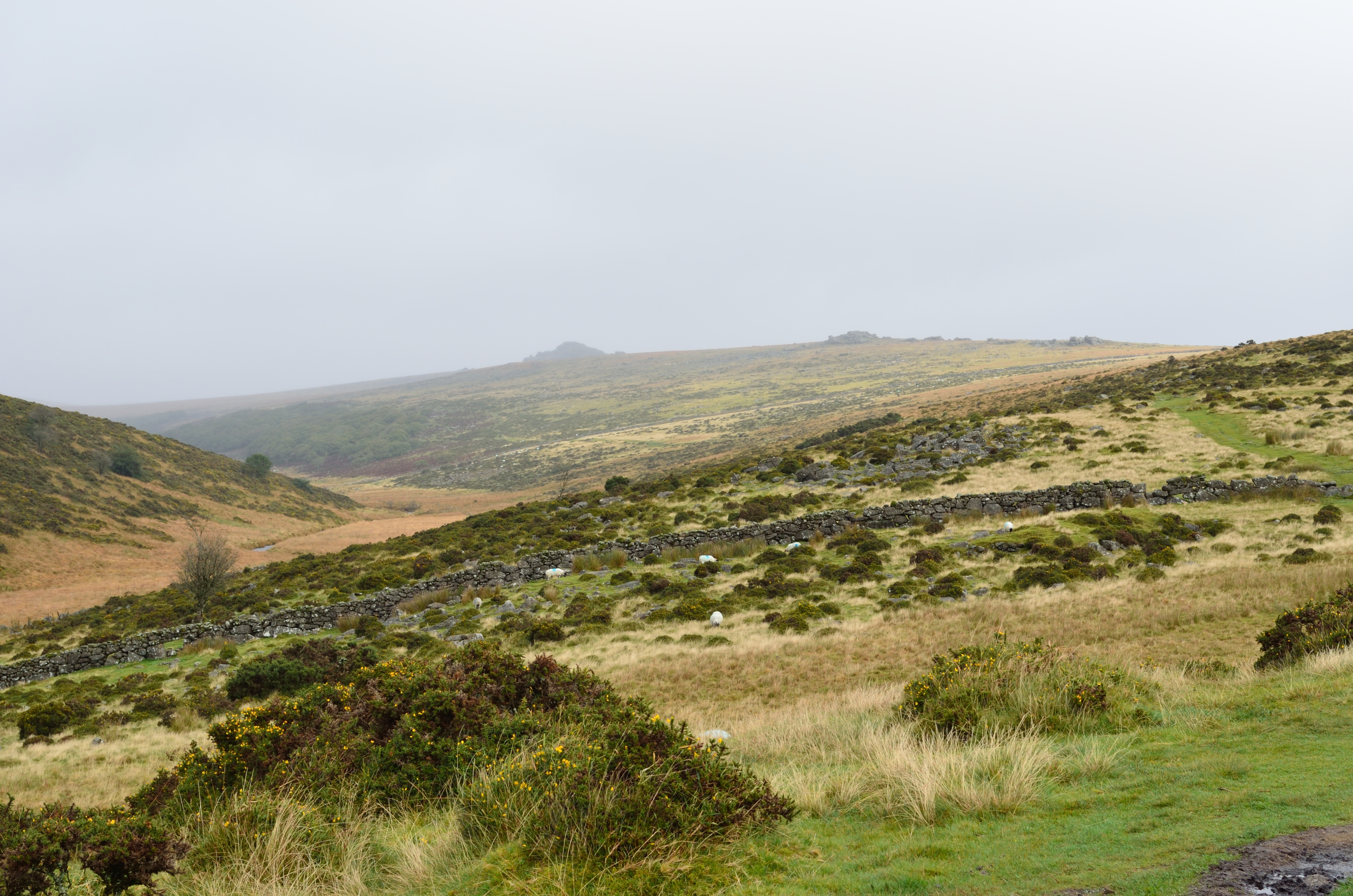
^Mysterious moor, very Bronte! Busted – okay, that’s Dartmoor, not the Yorkshire moor. But still mysterious, and spooky with the mist, no?

Agnes Grey is stir-crazy. And like many other young women of “good family” (her father a poor but respectable curate, her mother the daughter of a rich gentleman who disowned her when she determined to marry a clergyman with more ethics than prospects) in the Victorian era, her options are limited. If she wants to get out of the family abode, she can do one of two things: (1) get married, or (2) become a governess. Looking for adventure and wanting to earn something to help support her family, Agnes chooses option 2.

Agnes’ first household is a horror show, where she is handed off charge of a pack of unruly children, immune to any form of discipline – or at least, immune to the tepid discipline that Agnes is authorized – children who throw maniacal fits and torture wild birds for fun. Their mother undermines Agnes’ authority at every turn, and then blames Agnes for her charges’ intractability. Agnes sticks it out for a year before she is unceremoniously and unfairly fired. She retreats home, feeling herself in disgrace, but unwilling to give up on her plans – and quickly finds herself another situation.

The second job is easier in some ways – Agnes’ charges are older, two young women who are nearly ready to marry and leave home, and the elder of the two sisters is already the belle of the county. There is no bird torture, so Agnes feels it’s a major upgrade – but there is other, subtler, torture, as Agnes’ charges thoughtlessly toss out snobbish asides and petty cruelties. When Agnes befriends Mr. Weston, the new curate, her elder charge – despite having no interest in marrying a curate and finding Mr. Weston’s earnestness a matter for cruel comedy – decides to snatch the curate from her governess, just to show she can. Agnes covers up her heartache as best she can, but she can’t stop herself musing bitterly on her untenable position to Mr. Weston, when he asks her directly about some friends of her charges’.

“You are alone again, Miss Grey,” said he.

“Yes.”

“What kind of people are those ladies – the Misses Green?”

“I really don’t know.”

“That’s strange – when you live so near and see them so often!”

“Well, I suppose they are lively, good-tempered girls, but I imagine you must know them better than I do, yourself, for I never exchanged a word with either of them.”

“Indeed! They don’t strike me as being particularly reserved.”

“Very likely they are not so to people of their own class; but they consider themselves as moving in quite a different sphere from me!”

He made no reply to this, but after a short pause, he said, “I suppose it’s these things, Miss Grey, that make you think you could not live without a home?”

Agnes Grey is Anne Bronte’s blistering indictment of the governess system – a relentless churn in which young women are dumped into unfamiliar houses and forced to fumble their way without allies or a discernable place. Neither servants nor members of the family, governesses don’t fit in anywhere. Often forced to bear the brunt of family snobbishness, Agnes shoulders her lonely burden with her only solace the occasional letter from home. Anne Bronte was a governess herself, so she knows of what she speaks (or writes) – the isolation, the loneliness, the low pay, the bitter challenge of being caught between charges whom you cannot discipline and who therefore won’t listen to you and don’t respect you, and their parents, who refuse to grant you authority in your own classroom and then blame you for their children’s bad behavior.

Like many young Victorian women, Agnes doesn’t stay a governess forever. And it’s a testament to her strength of character that she leaves her bitter experiences behind her, still able to appreciate moments of beauty and joy. Anne Bronte is known for pushing social envelopes, but she deserves to be just as well known for her beautiful writing:

There was a feeling of freshness and vigour in the very streets; and when I got free of the town, when my foot was on the sands and my face toward the broad, bright bay… no language can describe the effect of the deep, clear azure of the sky and ocean, the bright morning sunshine on the semi-circular barrier of craggy cliffs surmounted by green swelling hills, and on the smooth, wide sands, and the low rocks out at sea… looking, with their clothing of weeds and moss, like little grass-grown islands – and above all, on the brilliant, sparkling waves. And then, the unspeakable purity and freshness of the air! there was just enough heat to enhance the value of the breeze, and just enough wind to keep the whole sea in motion, to make the waves come bounding to the shore, foaming and sparkling, as if wild with glee. Nothing else was stirring – no living creature was visible besides myself. My footsteps were the first to press the firm, unbroken sands – nothing before had trampled them since last night’s flowing tide had obliterated the deepest marks of yesterday, and left it fair and even, except where the subsiding water had left behind it the traces of dimpled pools, and little running streams.

Can’t you just see it? Aren’t you just walking with Agnes on the beach? (That might be my favorite passage in the entire novel.)

I’ve said before, and I’ll say again, that Anne is my favorite Bronte. (It took me a long time to get there and still feels a bit disloyal – like the teenaged me who read Jane Eyre several times a year is frowning in disapproval – but it’s true.) Less histrionic than Emily, sparer with her words and prose than Charlotte, but just as willing as her eldest sister to take on unfair social systems – Anne has the total package. Agnes Grey isn’t going to top The Tenant of Wildfell Hall for me, but it was a compelling and beautifully-written narrative, and quite up to the “Acton Bell” standard.

Who is your favorite Bronte sister?
Reading Round-Up: April 2022

Reading is my oldest and favorite hobby. I literally can’t remember a time in my life when I didn’t love to curl up with a good book. Here are my reads for April, 2022.

4.50 From Paddington (Miss Marple #7), by Agatha Christie – Two trains pass one another, and in the moment they draw near, a passenger on one train watches through the windows as a man strangles a woman. There is no body, so the police don’t believe there has been a crime. But the witness happens to be a good friend of Miss Jane Marple, and Miss Marple is sure her friend is telling the truth. Good fun – and I listened to this one on audio, read by the incomparable Jane Hickson, which made the reading experience all the better.

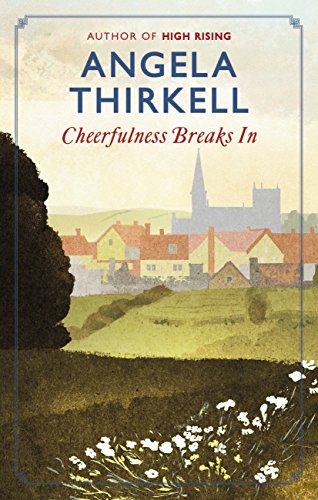
Cheerfulness Breaks In (Barsetshire #9), by Angela Thirkell – Angela Thirkell usually provides a wedding, but in Cheerfulness Breaks In she provides several. They bookend the narrative, which is otherwise concerned with the outbreak of war, the arrival of refugees in the peaceful Barset countryside, and with sad and serious things – but as the title promises, cheerfulness breaks in and the residents of Barsetshire are keeping calm and carrying on. A fun addition to Thirkell’s Barset series.

Green Thoughts: A Writer in the Garden, by Eleanor Perenyi – I loved this collection of short essays arranged alphabetically, in which Eleanor Perenyi muses on life and its whims and challenges in her Connecticut garden. She covers everything from tulips to rock gardens with wit and style.

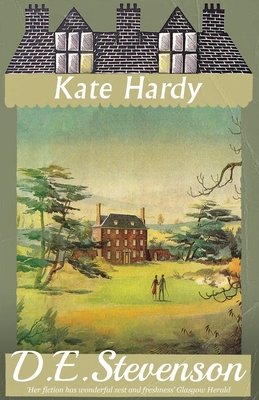
Kate Hardy, by D.E. Stevenson – Kate Hardy, a single and independent woman (of means, from a successful writing career) arrives in a country hamlet, having purchased the local Dower House from the county squire. Kate is escaping her selfish sister and spoiled niece, and hoping for peace and quiet to work on her next book. But strange goings-on, a poison pen campaign, accusations of witchcraft, and social upheaval coupled with romance threaten to invade all of her peaceful writing time. Not D.E. Stevenson’s strongest book – by far – but a pleasant way to spend an afternoon.

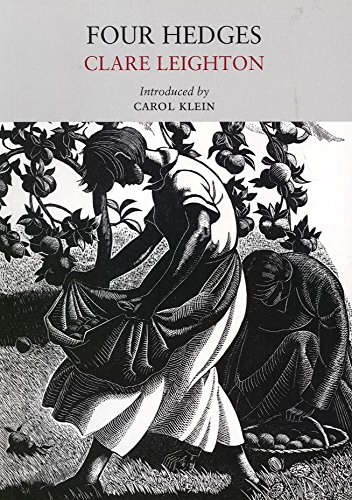
Four Hedges, by Clare Leighton – Clare Leighton was a renowned artist, turning out stunning woodcuts inspired by her garden in the Chilterns. But she’s just as stunning of a writer, and her month-by-month look at life in her garden was lyrical and beautiful.

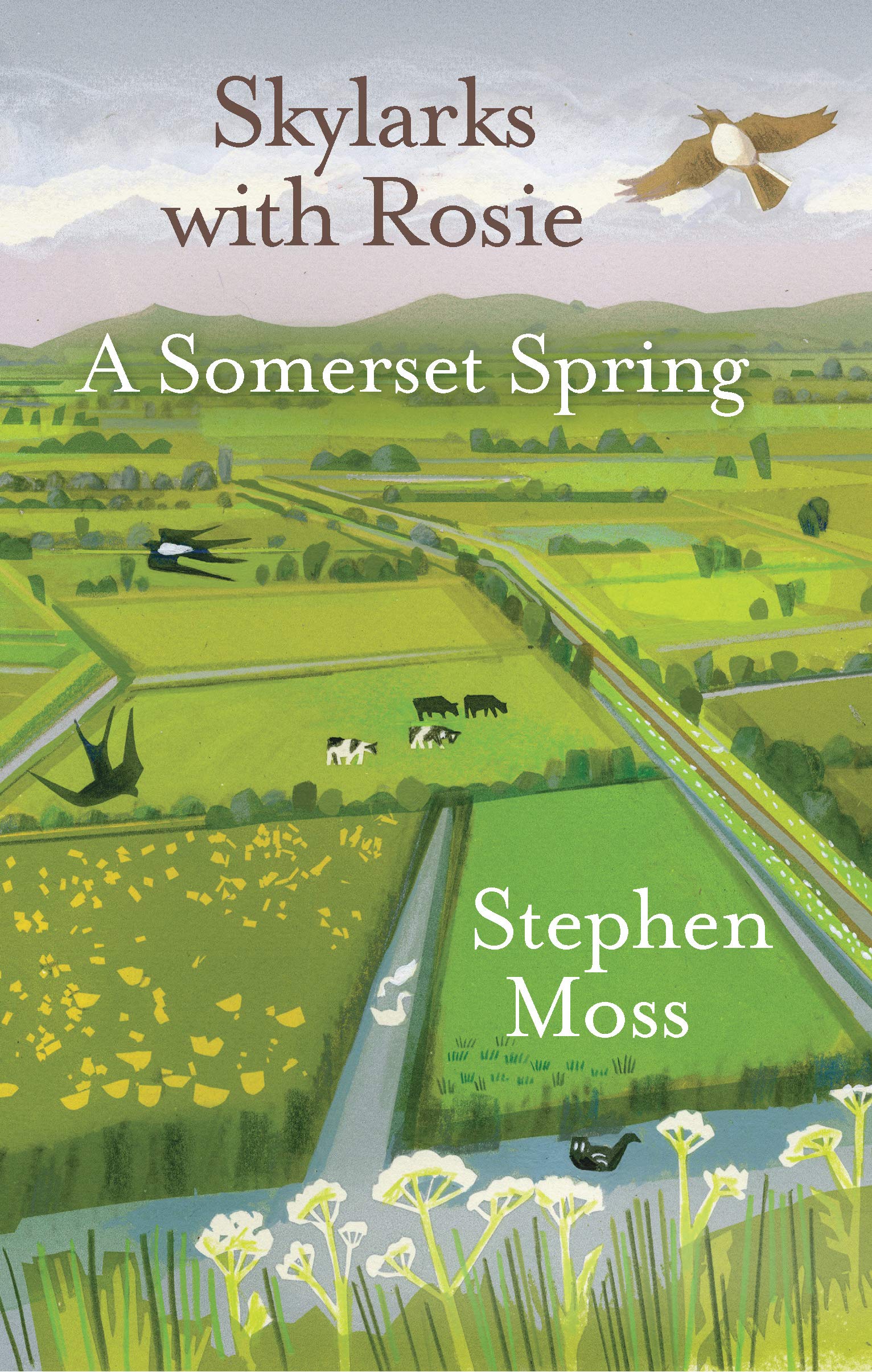
Skylarks with Rosie: A Somerset Spring, by Stephen Moss – I will always buy a new Stephen Moss, and this latest – a memoir of spring spent tramping his local pathways during the first lockdown of 2020 – didn’t disappoint. I enjoyed reading Moss’s musings on finding joy in the local flora and fauna, his occasional shoutouts to his good friend Chris Packham (who I adore), and his thoughts on climate change. There were only a few pages where Moss lost me – when he inexplicably veers into relating a birds-eye view of the “Central Park birder” incident of May 2020, but leaves out several facts. But that was two pages out of more than 200 otherwise wonderful ones, so overall a delightful reading experience, as I’ve come to expect from Moss.

Old Herbaceous, by Reginald Arkell – This was a slim, but poignant, novel of change as viewed from a garden. Bert Pettinger, the “Old Herbaceous” of the title, is a young, poor country boy who works his way up to being head gardener of a great estate. Gardening wisdom is sprinkled throughout, and Bert is an absolutely wonderful character.

The Owl and the Nightingale, Anonymous, tr. Simon ArmitageThe Owl and the Nightingale is a lengthy poem – some 1,800 lines – written by an anonymous poet during the reign of one Henry or another. Simon Armitage, the Poet Laureate of the U.K., provides an updated translation from the Middle English and it’s such fun. The owl and the nightingale debate which one of them is better – they can’t agree on anything, except on who should be the arbitrator of their claims. So much fun, and there are all the Medieval potty jokes.

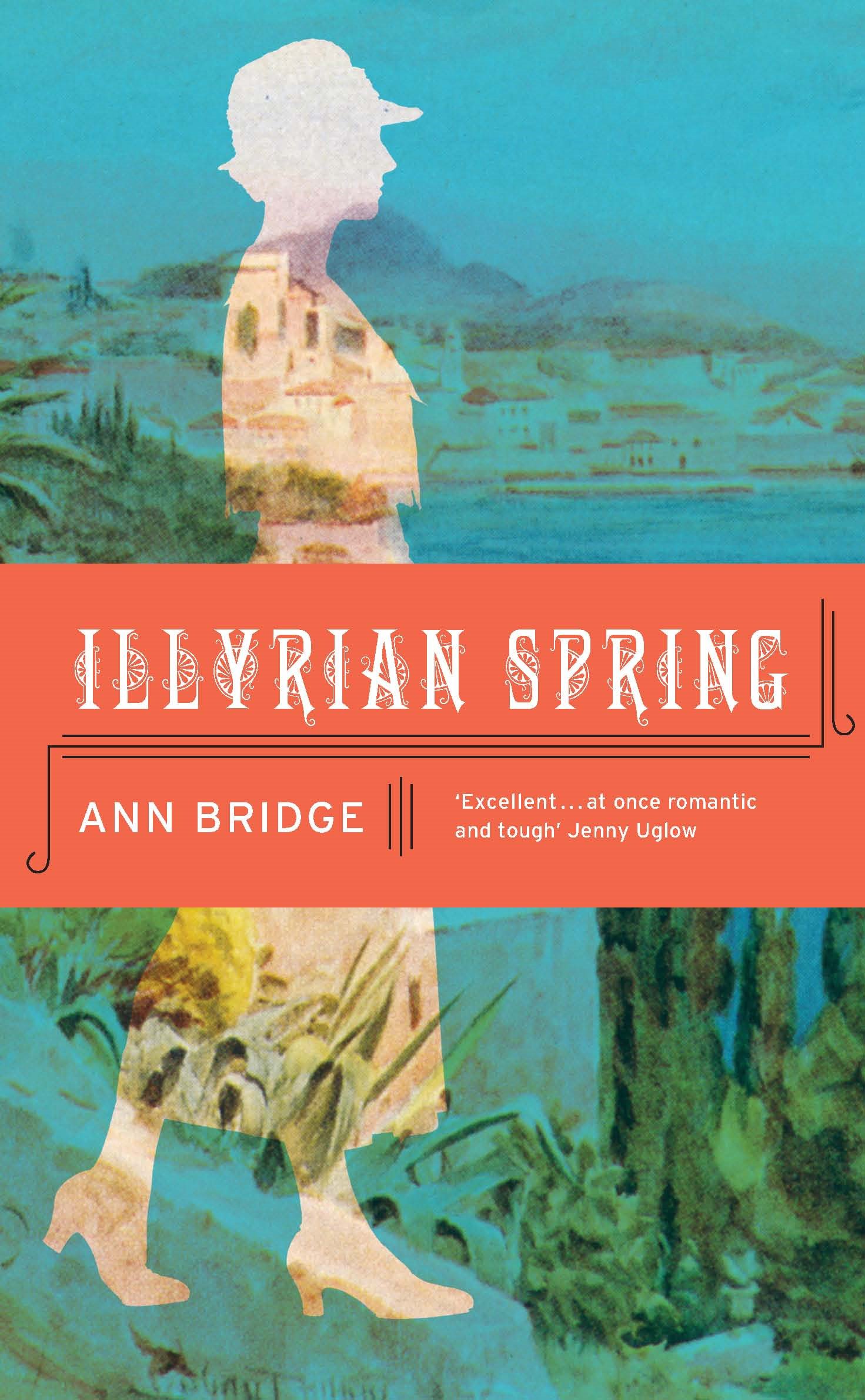
Illyrian Spring, by Ann Bridge – I’ve had this on my list for so long and it proved to be the highlight of the month. The novel opens as Lady Grace Kilmichael is running away – from her husband, with his withering scorn and wandering eye, and from a tense relationship with her newly grown-up daughter. Grace’s intent is to disappear, and she manages it for a good long while – helped by her ability to support herself with her artwork (she is a respected painter). Bound for Croatia, Grace travels through Paris, Venice and Torcello, where she meets Nicholas Humphries, nephew of her good friend and 22 years old to Grace’s 42. They bond immediately, but Nicholas soon develops feelings for Grace, which she attempts to hold off while ignoring her own growing need for his company. The writing was absolutely gorgeous, and I missed the characters when I finished this.

The Morville Year, by Katherine Swift – A year in Katherine Swift’s Shropshire garden – this was a total joy. Swift writes with charm of moving trees, gathering windfall apples, planting bulbs, visiting other gardens, and more. Arranged month-by-month (much like Four Hedges, above) and such a delight.

Slightly Foxed No. 73: A Year in Barsetshire, ed. Gail Pirkis and Hazel Wood – I always enjoy an issue of Slightly Foxed, but when the current edition is titled “A Year in Barsetshire” you know it’s going to be extra good. The headlining essay recounted a year of wandering local walks (again during the first lockdown of 2020) while listening to Trollope’s Barsetshire novels on audio. I love these books, and I delighted in reading someone else’s take on some of the most memorable characters in literature. That was just the first essay – there were plenty more delights to come, and my TBR swelled accordingly.

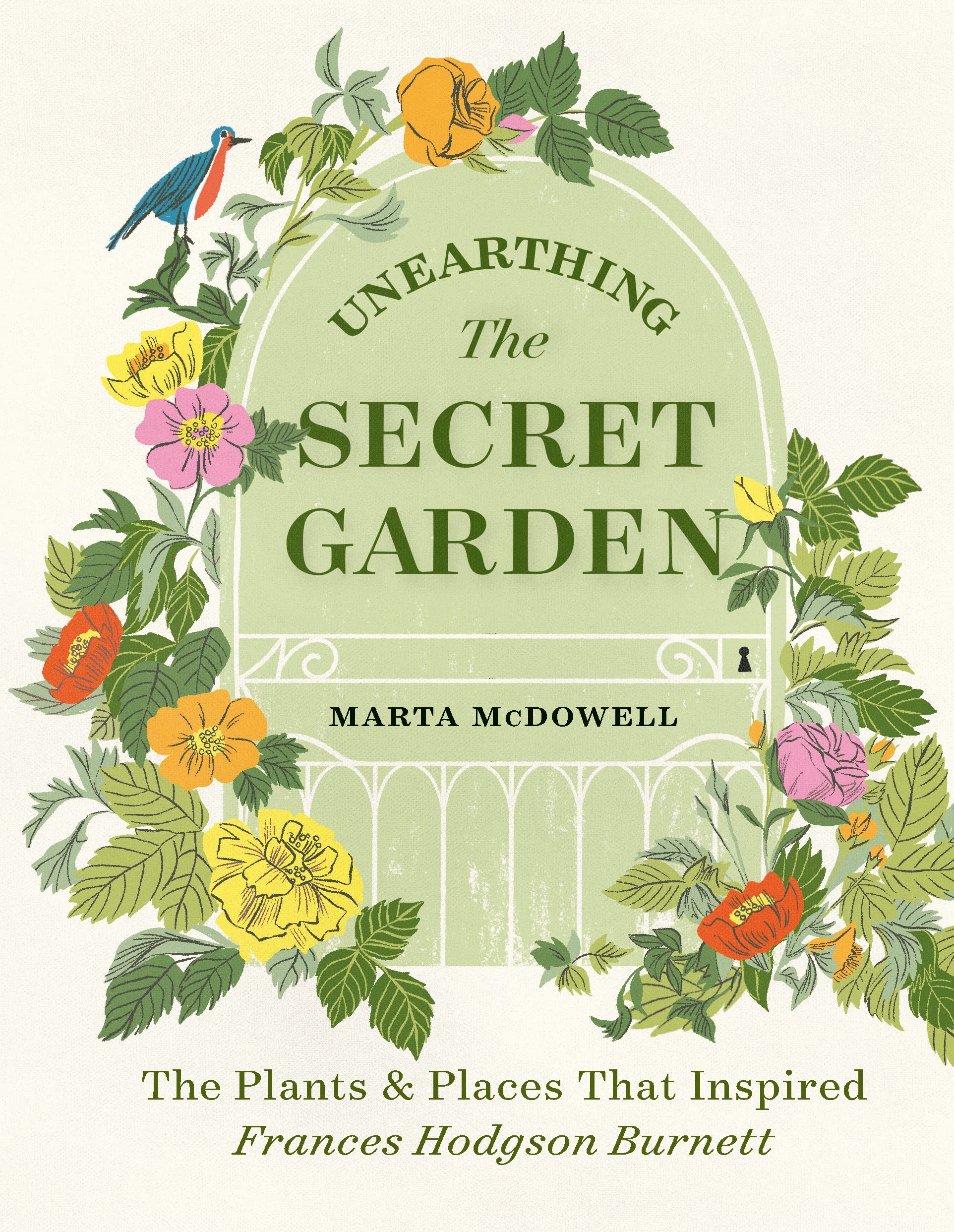
Unearthing the Secret Garden: The Plants & Places That Inspired Frances Hodgson Burnett, by Marta McDowell – Marta McDowell’s garden and nature books, each focusing on a particular author or book, are always lovely – I’ve read her takes on Anne of Green Gables, Winnie-the-Pooh, Beatrix Potter, and now The Secret Garden. As a child, The Secret Garden was one of my favorite books; I have read it more times than I can count. Reading about Frances Hodgson Burnett’s real-life gardens was wonderful.

Whew! Some reading month. I picked a loose theme for the month – did you catch on? Not every book was garden-focused (after reading only poetry last April and burning out on it for awhile, I was careful to sprinkle in breaks here and there) but many of them were. The runaway highlight of the month has to have been Illyrian Spring, which I absolutely adored. It has stayed with me and I find myself still thinking about Grace and Nicholas almost every day. Clare Leighton, Eleanor Perenyi, and Katherine Swift were all close runners-up in the reading highlight sweepstakes, and of course any month that includes Agatha Christie is a good month. And now, on to May – I have a good stack of exciting reads awaiting me, so I’d better get back to it.

What were your reading highlights from April?

Reading Round-Up: March 2022

Reading is my oldest and favorite hobby. I literally can’t remember a time in my life when I didn’t love to curl up with a good book. Here are my reads for March, 2022.

The Dud Avocado, by Elaine Dundy – Sally Jay Gorce is a pink-haired American dilettante, exploring Paris on her rich uncle’s dime, breaking hearts and dabbling in being a stage actress. This story of a gaggle of American expats in the 1950s was supposed to be charming and funny, but I found it vaguely depressing. It may be that I took a hiatus from the book while traveling in Costa Rica (I don’t travel with hardcover books anymore) but it was heavy going for me.

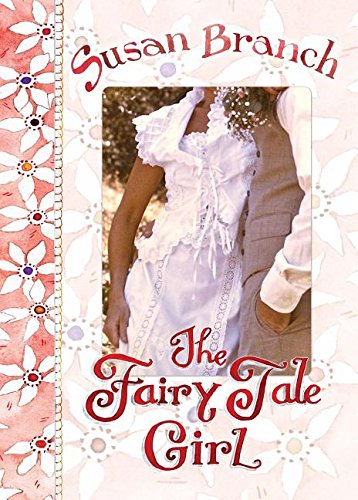
The Fairy Tale Girl, by Susan Branch – The first volume of Susan Branch’s trilogy of memoirs focuses mostly on her marriage to her first husband, Cliff. I love Branch’s artwork and her life story is fascinating, but I’d have liked more about her California girlhood and less about the parade of red flags in her marriage. I know the point of the book was that she was young, naive, and didn’t value herself highly enough, but it made me sad.

Martha’s Vineyard: Isle of Dreams, by Susan Branch – The second volume of Branch’s memoirs begins when she has finally escaped her toxic marriage and flown across the country, on a whim, to Martha’s Vineyard. She buys a small, derelict cottage and builds a new life for herself. A lovely read.

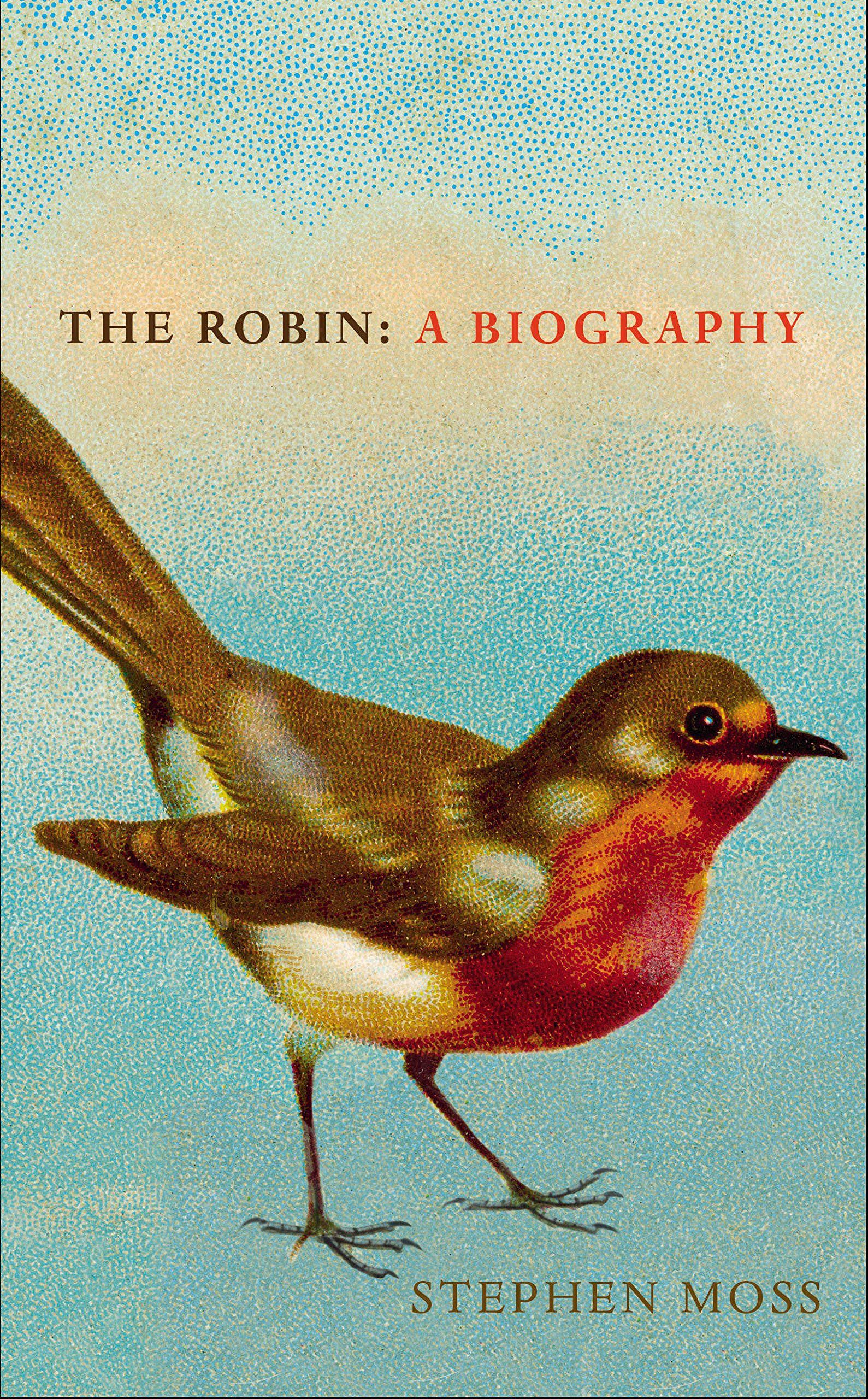
The Robin: A Biography, by Stephen Moss – I just love Stephen Moss’s bird writing! In this, the first volume of a new series in which Moss turns his keen eye on one bird per book, the reader follows the English robin through an entire year in the life. It’s a mix of nature writing, social history, and total delight.

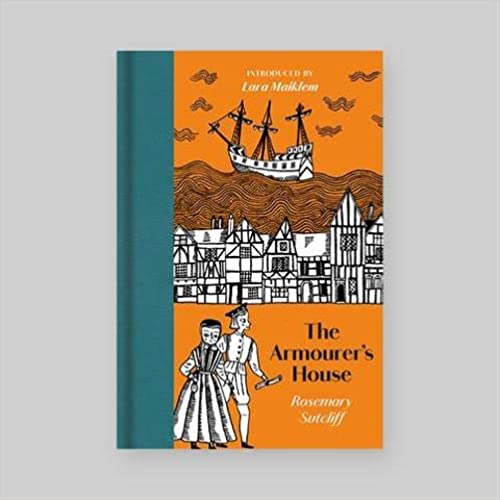
The Armourer’s House, by Rosemary Sutcliff – I couldn’t resist this pretty hardcover from new publisher Manderley Press, and the story was a joy. A young girl is sent to London to live with relations in Tudor times, where she finds fun and adventure with her cousins – perfect. There’s no one like Rosemary Sutcliff for fascinating historical detail, too.

Agnes Grey, by Anne Bronte – A re-read for me (review coming soon for The Classics Club), I loved this novel just as much as the first time I read it. Bronte, a governess herself, exposes the upper classes with a clear-eyed glare. Anne is my favorite Bronte sister, and while I still love The Tenant of Wildfell Hall best, Agnes Grey is a triumph, of course.

English Climate: Wartime Stories, by Sylvia Townsend Warner – As with any volume of short stories, I liked some of these better than others. (From Above was by far my favorite, but I also enjoyed a story of a thrifty couple gleefully plotting their course of destruction in the event of an invasion by German troops.) Overall a really fun read.

Hons and Rebels, by Jessica Mitford – It’s been a very long time I’ve been meaning to read Jessica Mitford’s take on her famous family and oddball upbringing, and it didn’t disappoint. “Decca” was the most left-wing of the sisters, famous for eloping with Winston Churchill’s nephew to go fight in the Spanish Civil War. I loved her wry voice and her clear view of her famous family.

Before Lunch (Barsetshire #8), by Angela Thirkell – I really enjoyed this installment in Angela Thirkell’s Barsetshire series. Before Lunch follows Jack Middleton and his wife, Catherine (I know!) as they welcome Jack’s widowed sister, Lilian Stonor, and her two adult stepchildren, Denis and Daphne. Denis is sensitive and musical and a little too delicate for Jack’s sensibilities, while Daphne is just a bit too hearty (yes, Jack is a bit of a Goldilocks). Naturally, romance and hijinks ensue. This one was a lot of fun, as with all Thirkells you never doubt that things will come right in the end, and there was no dated language – wins all around.

I felt like March was a bit of a wash, but nine books is respectable! And all really enjoyable – especially toward the latter end of the month, but I don’t think I could choose a highlight. If I started saying things like “any Thirkell is good fun” or “a visit to Tudor Britain can’t be bad” or “you have to love Jessica Mitford” I’ll just run through the entire month in books. So I’ll leave it there. I have plans for lots of garden reading in April, so here’s hoping that works out – both reading about gardens and reading in the garden.

What were your bookish highlights of March?

Themed Reads: Great British Nature Writing

I’ve always loved nature writing. I grew up on a steady diet of Lucy Maud Montgomery, so how could I not? As an adult, I identified with The Blue Castle‘s Valancy Stirling and her anxious awaiting a new book from her favorite nature writer; I have certainly gotten a little too excited about a new book from Melissa Harrison or Stephen Moss. But one hole in my nature reading has been: I have not found many American nature writers or nature books to enjoy. Terry Tempest Williams, yes. Maybe a little Henry David Thoreau, but I have to be in the mood. Most of my nature writing in recent year has been imported from Great Britain – England, especially, but some Scotland too. The Brits do seem to have the most robust tradition, and I can’t get enough. Here are three favorites of the genre.

If you’re a bird lover, you can’t go wrong with anything by Stephen Moss. I loved Mrs Moreau’s Warbler (all about the naming of birds) and The Twelve Birds of Christmas (a pithy and original take on the “Twelve Days of Christmas” carol) but I think my favorite has been The Robin: A Biography, which I just read recently. Moss takes the reader through a year in the life of the English robin (not to be confused with our American robins, who are no relation) and drops in bits of cultural miscellany and natural science along the way. It’s a total joy. And it’s the first in a series; The Wren, The Swallow, and The Swan followed in short order. I have all three on my shelf to get around to reading soon.

Another favorite writer currently living and working today: I’ll read pretty much anything if Melissa Harrison is involved. I loved the series of four seasonal anthologies she collected and edited (Spring, Summer, Winter, and Autumn, of course) but most of the pieces in there were not hers – she wrote an introduction and contributed one piece to each volume. Although the seasonal anthologies are well worth your time (Winter was my favorite, but they’re all great) I liked The Stubborn Light of Things: A Nature Diary, even better. This volume collects several years’ worth of Harrison’s Nature Notes columns from The Times of London and follows her from life as a city-dweller to a new abode in rural Suffolk. It would be a wonderful volume to dip in and out of over the course of a year, if you can stop yourself reading it all at once (I couldn’t). Bonus: Harrison recorded a weekly podcast of the same name, memorializing her country walks during the early days of the COVID-19 pandemic. It’s a lovely and refreshing listen (and still available).

Another collection of newspaper nature columns, A Countryman’s Winter Notebook – newly published by Slightly Foxed – gathers pieces by Adrian Bell, who is if not the grandfather of English nature writing, at least the wise uncle. Bell wrote a trilogy of memoirs (all published by Slightly Foxed as well) about his life on a Suffolk farm, and it was his writing that inspired Melissa Harrison (see above) to move to Suffolk. Harrison isn’t the only Englander to have been inspired by Bell. According to Slightly Foxed, English soldiers during World War I used to carry copies of the first volume of Bell’s classic memoir trilogy (Corduroy) into the trenches with them in their pockets to remind them of what they were fighting for. (Slightly Foxed has hinted that they are considering publishing a series of four collections of Bell’s seasonal writing; I hope they do!)

It was almost impossible to choose just three examples of British nature writing. There’s just not enough space with such a wealth to choose from! (And please accept my apologies for leaving H.E. Bates and Claire Leighton off. Consider this their honorable mention.) For a smallish island (hello, Bill Bryson!) the Brits have contributed several continents’ share to the nature writing field. I haven’t scratched the surface, I know, and I couldn’t be happier to have so much more to discover.

The Classics Club Challenge: Romola, by George Eliot

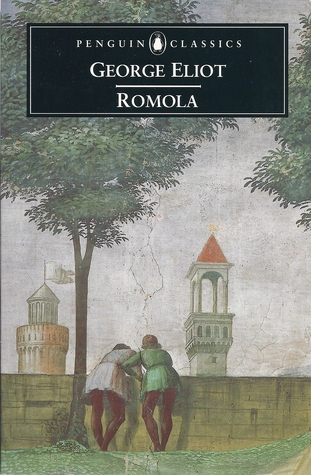
George Eliot’s Romola is a tour-de-force; basically, it’s Middlemarch, but make it Renaissance Italy. (That’s simplifying things a bit, okay, but you get the gist.) The story opens with the arrival of a stranger, Tito, in the city of Florence. Tito is a Greek scholar, kind of, who has led something of an exciting life – but you have to extrapolate that from between the lines, at least at the beginning, because he’s playing it very close to the vest. The Florentines are naturally curious about this stranger who has appeared so suddenly on a feast day, but Tito isn’t sharing his history. He quickly falls in with a barber who knows everyone and wangles himself an introduction to a blind local scholar, Bardo de Bardi, with good connections that Tito can use.

When Tito meets Bardo, he’s interested not just in his connections – Bardo also has a daughter, Romola, who is beautiful, elegant and graceful. Romola is devoted to her father; her brother has run away to join Savanarola’s Dominican brotherhood and Bardo feels betrayed by this son who chose mysticism over logic. Romola lives to ease her father’s burdens, and Bardo quickly sees in Tito someone who could replace the son that he has lost. It’s no surprise that Romola and Tito quickly marry (against a warning from Romola’s brother) – but Tito turns out to be hiding a disgraceful past, and prepared to be as treacherous as he needs to be to ensure his wealth and position and keep his secrets buried. Bardo dies, happy in his mistaken belief that his daughter is married to a gem of a person, and Tito’s first act is to sell his father-in-law’s prized library to a disbursement of buyers, destroying both Bardo’s dearest wish (that his library be kept together) and Romola’s affection for him in one fell swoop. Romola runs away, determined to seek out a famous female scholar in Rome (or Venice? I forget which) and become an independent intellectual woman – but on her flight, she is intercepted by Savanarola himself, who talks her into being a good Christian woman and devoting herself to her husband, and sends her packing back to Florence.

Romola was labouring, as a loving woman must, to subdue her nature to her husband’s. The great need of her heart compelled her to strangle, with desperate resolution, every rising impulse of suspicion, pride, and resentment; she felt equal to any self-infliction that would have saved her from ceasing to love.

To be perfectly honest, this is where George Eliot lost me. I was already struggling a bit to get through this chunkster of a novel – it’s crammed full of overwhelming amounts of detail and political information about the players in Renaissance Florentine society; just try to keep all the de Medicis an anti-de Medicis straight. But I was stoked to read the story of a woman striking out for herself in a time when that was just not done, making a home among an intellectual sisterhood, and claiming her independence. And then not only did none of that happen, but the way in which Romola was stymied just rang so false to me.

Romola had no affection, respect, or allegiance to the Dominican monks – least of all Savanarola. For the entire first third of the book, she shares her father’s disgust for the monks who, in his view, stole away his son, converted him to mysticism, and caused him to reject the intellectual life that his father stood for. Romola visits her brother on his deathbed and is enraged and deeply upset by his mystical vision that if Romola marries (anyone, but it’s Tito that Romola has in mind) a parade of horribles will result. And it is presumptuous for this brother who ran away from home and rejected his family to then presume to dictate to his sister that she can’t get married because disaster! I was right there with Romola. But then in the course of one conversation over a couple of paragraphs, Savanarola convinces her to return to her husband (after previously urging her to take her brother’s advice and not get married) and to become Savanarola’s biggest cheerleader from among the fancy class of Florence. I suppose George Eliot is making a point about the magnetic force of Savanarola’s personality, and it’s my twenty-first century reader’s lens that is getting in the way, but I just didn’t buy it. And then Romola, instead of the single independent intellectual woman I wanted to read about, becomes a downtrodden wife and over-the-top Christian missionary to the poor of Florence. No, thanks.

As you can no doubt tell, I was disappointed in Romola the character and in Romola the book. It was no Middlemarch. (Part of my problem was also that I, unaccountably, thought that Romola was about Romani people, and I spent the first five chapters wondering why were in Italy and where the caravan was. But I did eventually figure out that I’d gotten the wrong idea about the plot and lean into the actual story, only to be deeply disappointed by Romola, the side characters, and – well, everyone.) If Romola de Bardi is supposed to be a Florentine Dorothea Brooke, she has some backbone to grow.

Have you read Romola? What’s your favorite George Eliot?

Reading Round-Up: February, 2022

Reading is my oldest and favorite hobby. I literally can’t remember a time in my life when I didn’t love to curl up with a good book. Here are my reads for February, 2022.

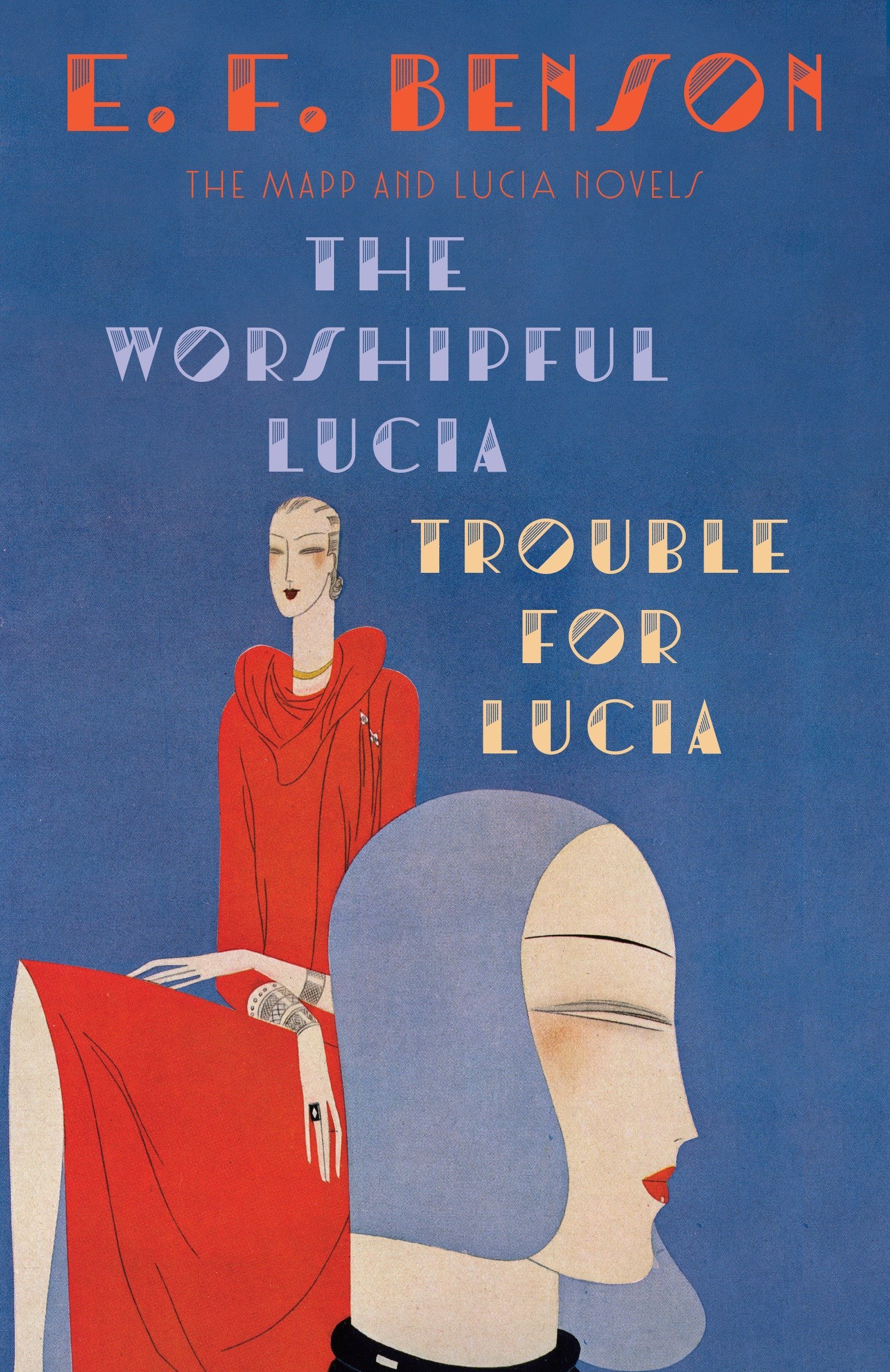
The Worshipful Lucia (Mapp and Lucia #5), by E.F. Benson – It’s hard to choose a favorite from this sparkling, witty series – but this might be it? Lucia tries on a new identity as a financial guru and is wildly successful, much to Elizabeth Mapp-Flint’s chagrin. Absolutely hilarious, fully reviewed here.

Yummy: A History of Desserts, by Victoria Grace Elliott – I borrowed this adorable graphic history of popular desserts – from ice cream to cookies, to cake, and even macarons – from Peanut. Mom achievement unlocked! It was cute, made me hungry, and I actually learned quite a bit about the history of sweets.

Trouble for Lucia (Mapp and Lucia #6), by E.F. Benson – Sad to say goodbye to Queen Lucia Pillson, Elizabeth Mapp-Flint, and the rest of the quirky and endearing residents of charming Tilling. Lucia, now risen to Mayor of Tilling – with Elizabeth as her Mayoress – is in for a bumpy ride, but Lucia is never down and out for long. Fully reviewed here.

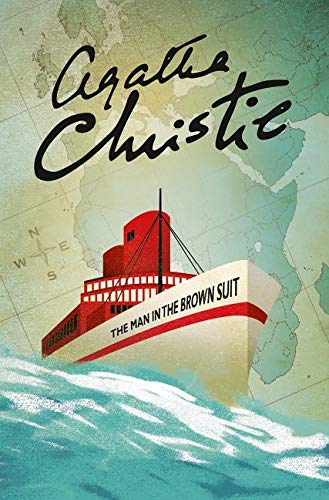
The Man in the Brown Suit (Colonel Race #1), by Agatha Christie – I listened to this early (1920s) standalone thriller on Audible – it was okay, but definitely not up to Christie’s prime standard; the casual sexism and entrenched gender roles did the story no favors, even if it was of its time. I did enjoy seeing the influence of Christie’s around-the-world British Empire Exhibition promotion tour, which she must have either just completed or been in the process of completing as she wrote the book; for instance, her heroine goes surfing in South Africa – something Christie herself did on that trip. (Christie’s letters and photographs from the tour are collected in a fun volume curated by her grandson, Mathew Prichard, called The Grand Tour.)

Diplomatic Passport: More Undiplomatic Diaries 1946-1962, by Charles Ritchie – I wanted to read something travel-related as I embarked on my first international trip in years, and Ritchie seemed like a good travel companion – as a Canadian diplomat, he got around the world rather a lot. I read the first volume of his diaries, which mostly focused on his posting to London during the Blitz, in 2019 and loved them, and these were nearly as engaging. Richie’s career really takes off in this volume, and he spends time at the Canadian Embassy in Paris before going on to be Ambassador to Germany, the United Nations, and eventually the United States. His writing voice is charming and compelling and I loved his stories.

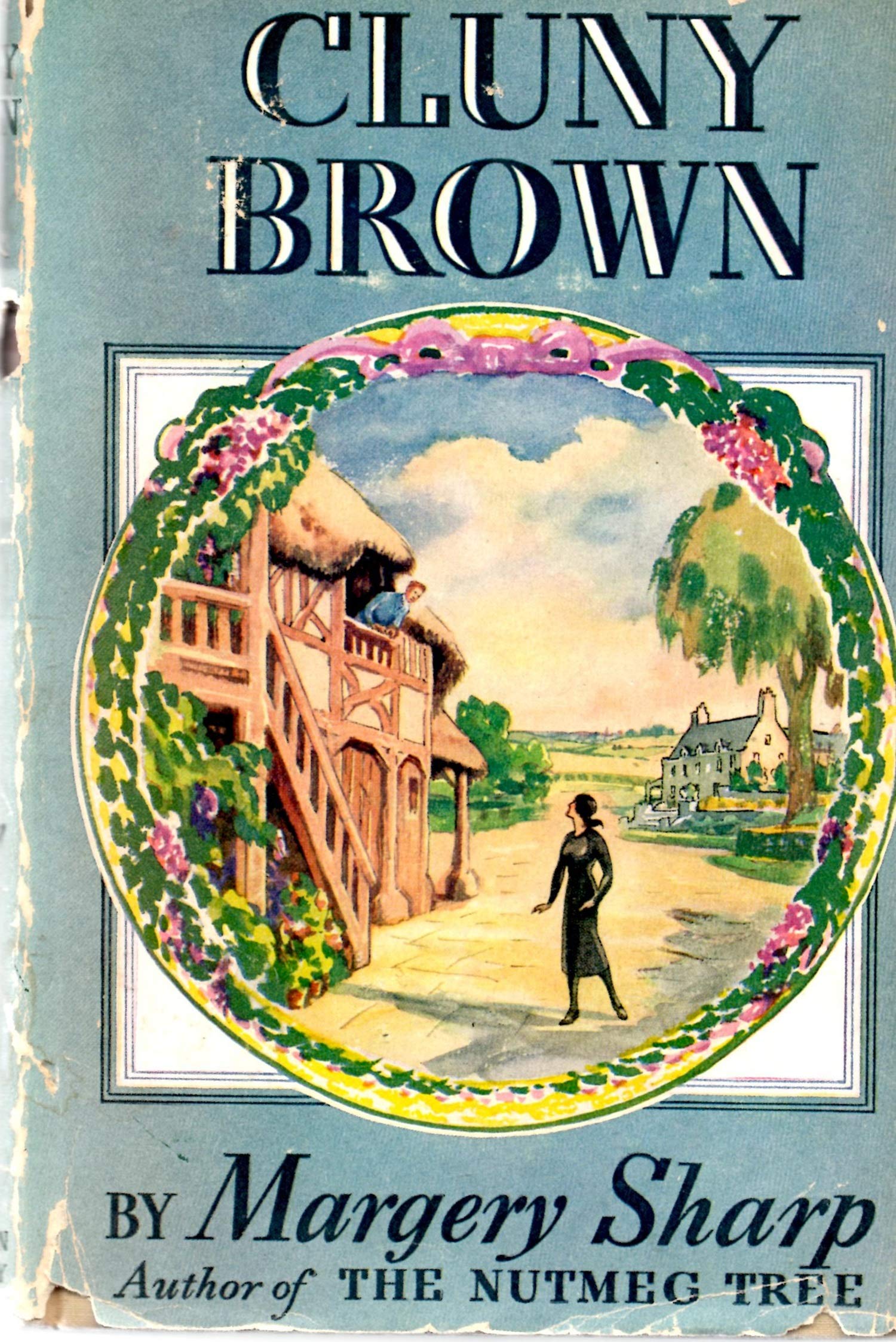
Cluny Brown, by Margery Sharp – Cluny Brown’s problem, at least according to her family, is that she doesn’t know her place. Cluny does things like going to tea at the Ritz, just because she feels like it and has the money, and that’s simply not done for a respectable working class London girl. But Cluny’s attitude to life is: why shouldn’t I? Why shouldn’t she go to tea at the Ritz, if she can afford it? Why shouldn’t she have a martini or accept a party invitation? Cluny’s guardians are at their wits end, so they send her off to “good service” in Devon – hoping she will finally learn her place. Upstairs/downstairs shenanigans ensue, of course, and I think it’s hardly a spoiler to tell you that Cluny does learn her place – but it’s not quite what her relatives have in mind.

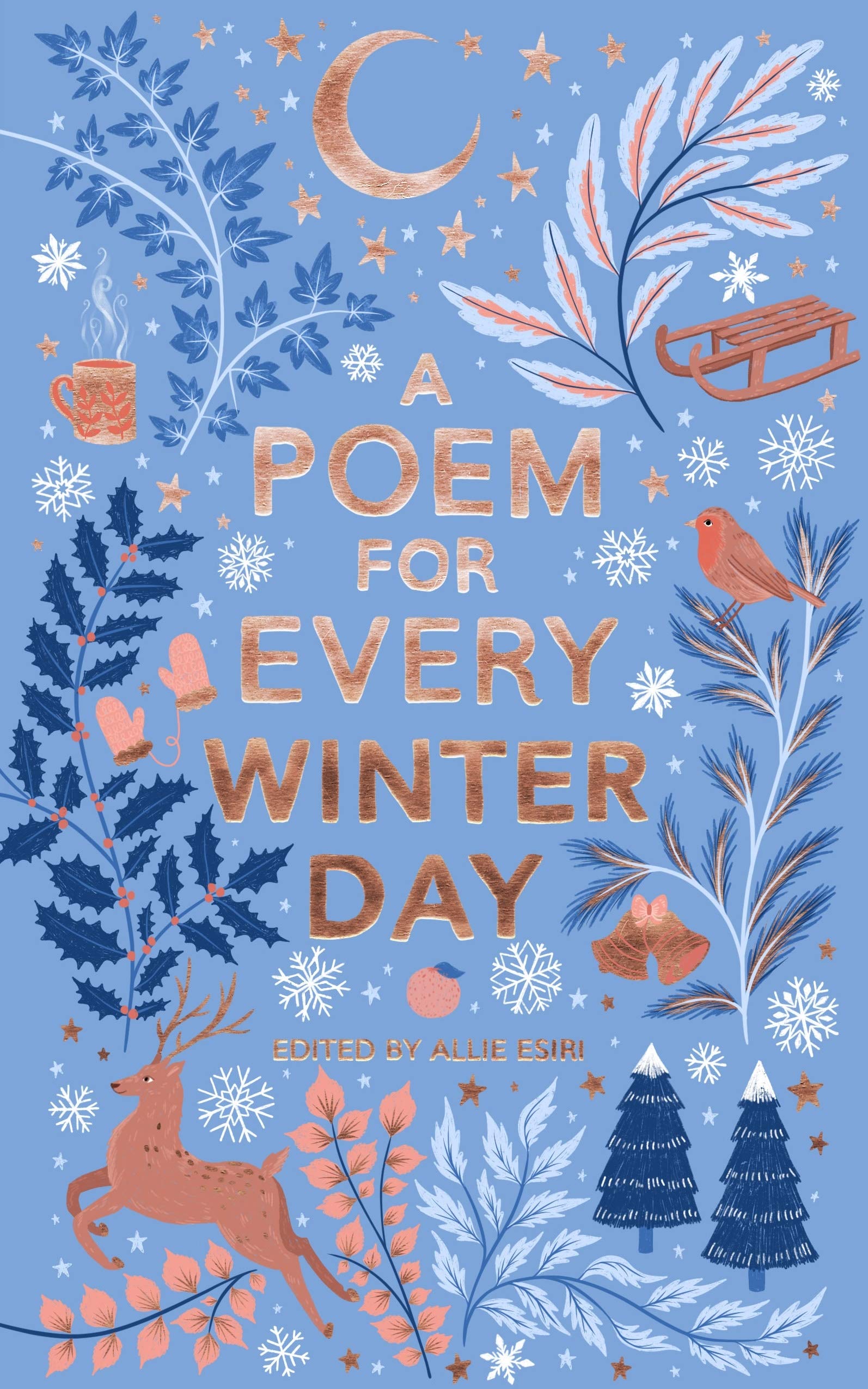
A Poem for Every Winter Day, ed. Allie Esiri – I really, really try to stay up to date on reading a poem a day, and Allie Esiri’s seasonal collections are my choice for 2022. In fact, I got woefully behind on this one, but caught up at the end of the month and the poems in here were truly a delight. I bookmarked a few for future reference.

Short month, short reading list! February was interrupted by a vacation, and I never read much when I’m traveling – I prefer to take in the sights, and spend time with my traveling companions; reading is more of an at-home activity. But in the few hours I did actually devote to books this month, I read some good ones. Cluny Brown was a highlight, as was Diplomatic Passport. And of course, any visit to Lucia and Mapp in Tilling is a total joy.

How was your February in books?

Themed Reads: Galentines

Leslie Knope, the OG galentine. Credit to The Atlantic.

Romance, love, etc., etc., etc. I’m all for it, of course. My little valentines got books and chocolate this year (what’s better?) and Steve and I had a fabulous adventure, about which more soon. But Valentine’s Day isn’t what it was in my teens and twenties – a day of extreme relationship significance. It’s a day to celebrate love being in the world, which is great, but you know what else is great for that? Galentines Day, a holiday to celebrate female friendship, invented by the great Leslie Knope. And in the spirit of Galentines, here are three reads focusing on that very thing.

First of all, no Galentines reading roundup would be complete without Lumberjanes, the delightful comic created by ND Stevenson and Shannon Watters. For Elizabeth Cady Stanton’s sake, their camp motto is FRIENDSHIP TO THE MAX. And it really is to the max, as these five girls face down everything from anagrams to dinosaurs to possessed boy campers – together. Galentines to the max!

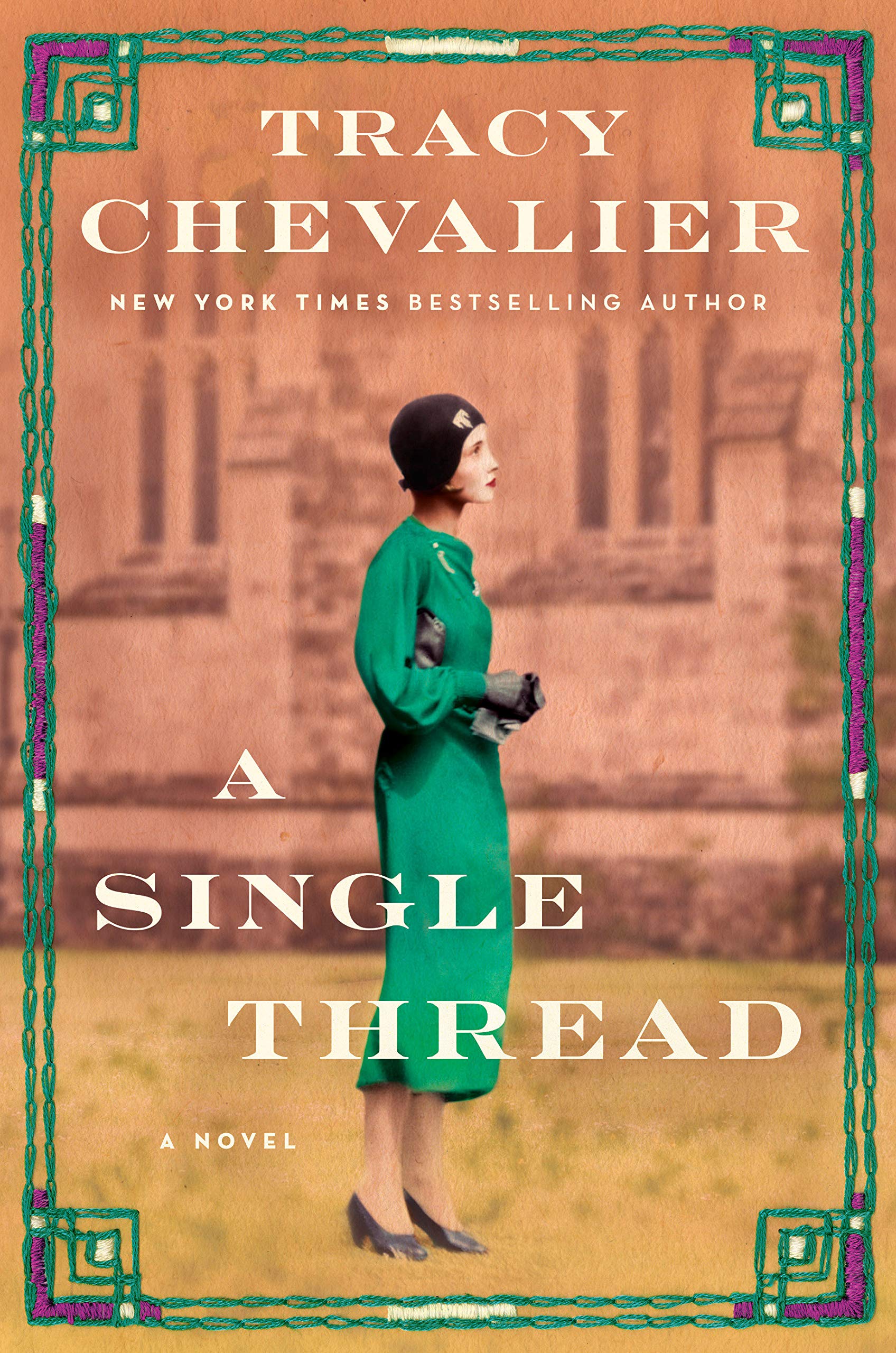
All right, this wasn’t my favorite book (it was all right, but didn’t wow me) but on the theme of female friendship Tracy Chevalier has a lot to say in A Single Thread. Violet is a “surplus woman” left bereft by the death of her fiance in World War I and living with her domineering mother. She escapes – unable to face another year in her mother’s house – and falls in with a company of Cathedral “broderers” (women who embroider kneelers and cushions for the local Cathedral). With their support, Violet builds a rich life for herself.

All right, Verily Anderson‘s World War II home front memoir isn’t just about female friendship, but my favorite parts of Spam Tomorrow were the parts that focused on her friendship with her dear friend Julie. Verily and Julie bond over motherhood and put their heads together to start an inn to make money while their husbands are off at war, and it’s one of the most hilarious things I ever read. (They’re wonderful mothers and devoted friends, but terrible hoteliers.) I can relate to the experience of teaming up with a bestie to get through life’s difficult moments together (hi, Rebecca!) and Anderson relates this precious friendship resource in a funny and life-affirming way.

What are your favorite books about female friendship?

Classics Club Challenge: Trouble for Lucia, by E.F. Benson

Photo credit: The Independent

At the beginning of this last (sniff) book in the Mapp and Lucia chronicles by E.F. Benson, we find Lucia on top of Tilling – where, she would tell you, she rightfully belongs. Recently wed to longtime bestie Georgie Pillson, ensconced as mistress of Mallards, and poised to ascend to the loftiest heights as the first woman to be Mayor of Tilling, it seems Lucia has finally achieved her dream of undisputed supremacy. But Tilling – unmistakably based on Benson’s own town of Rye – seethes with intrigue, and Lucia is in for a bumpy time.

A preview of the tribulations ahead comes when Lucia receives the shocking news that the Mayor of Tilling must have a Mayoress – a female helpmate who is obviously the First Lady of the town. Tilling isn’t sure what to do with this, because there’s never not been a Mayoress, but Lucia doesn’t have a wife to fill the role. She is instantly besieged by applications, mostly from husbands on behalf of their wives, for the post. The Padre applies on behalf of Evie; Mr. Wyse for Susan; Diva for herself; and Major Benjy lets her know that if she approached “Liz” in the “proper spirit,” his wife might be induced to accept the post. With Georgie’s snarky assistance, Lucia sifts through the applications and drafts tactful letters to the rejected aspirants, until finally Georgie begs her to tip her hand.

“Lucia, it’s too ridiculous of you to pretend to be absorbed in your sketch,” he said impatiently. “What are you going to do?”

Lucia appeared to recall herself from the realms of peace and beauty.

“Elizabeth will be my Mayoress,” she said calmly. “Don’t you see, dear, she would be infinitely more tiresome if she wasn’t? As Mayoress, she will be muzzled, so to speak. Officially, she will have to perform the tasks I allot to her. She will come to heel, and that will be very good for her. Besides, who else is there? Diva with her tea-shop? Poor Susan? Little mouse-like Evie Bartlett?”

“But can you see yourself approaching Elizabeth in a proper spirit?”

Lucia gave a gay trill of laughter.

“Certainly I cannot. I shall wait for her to approach me. She will have to come and implore me. I shall do nothing till then.”

Georgie pondered on this extraordinary decision.

“I think you’re being very rash,” he said. “And you and Elizabeth hate each other like poison–“

“Emphatically no,” said Lucia. “I have had occasion sometimes to take her down a peg or two. I have sometimes felt it necessary to thwart her. But hate? Never. Dismiss that from your mind. And don’t be afraid that I shall approach her in any spirit at all.”

You can see where this goes. There is a standoff, of course, and it ends with Elizabeth approaching Lucia to ask for the appointment – just as Lucia predicted. (While largely evenly matched, Lucia tends to be the more strategic, which accounts for her more frequent victories over Elizabeth.) Elizabeth throws herself into her role as helper and encourager to “Worship,” as she now calls Lucia – at first ostentatiously and later sarcastically. Lucia, meanwhile, throws herself into municipal affairs until she becomes a bore to everyone around her. Even Georgie grows sick of her local government obsession and constant protestations of overwork, and escapes more and more frequently to Riseholme, where he renews his friendship with Olga Bracely, the famous prima donna (leading to a hilarious supposition by Tilling that Georgie and Olga are being improper – nothing could be further from the truth). Lucia and Georgie meet “Poppy,” the Duchess of Sheffield, through Olga, leading to another hilarious misunderstanding in which Poppy assumes that Georgie is the Mayor of Tilling – not Lucia – and invites the Mayor to stay at her castle, only to dismiss Lucia when she realizes her mistake. Lucia, as always, finds a way to salvage the situation to her own benefit.

It was only by strong and sustained effort that Olga restrained herself from howling with laughter. She hadn’t been singing the prayer from Lucrezia this time, but Les feux magiques, by Berlioz; Lucia seemed quite unable – though of course she had been an agitated listener – to recognize the prayer when she heard it. But she really was a wonderful woman. Who but she would have had the genius to take advantage of Poppy’s delusion that Georgie was the Mayor of Tilling? Then what about Lucia’s swift return from the Castle? Without doubt Poppy had sent her away when she saw her female, beardless guest, and the clever creature had made out that it was she who had withdrawn as Poppy was so unwell, with a gallery of photographs to prove she had been there. Then she recalled Lucia’s face when she entered the garden-room a few minutes ago, the face of a perfect lady who, unexpectedly, returns home to find a wanton woman, bent on seduction, alone with her husband. Or was Georgie’s evident relief at her advent funnier still? Impossible to decide, but she must not laugh till she could bury her face in her pillow. Lucia had a few sandwiches to refresh her after her drive, and they went up to bed. The two women kissed each other affectionately. Nobody kissed Georgie.

Lucia’s ingenuity will be tested still more severely, though – and it’s all down to Poppy, the Duchess. Not learning from her previous efforts to annex the aristocracy (in Lucia in London), Lucia lets it get around Tilling that she and the Duchess are great friends. When the Duchess unexpectedly appears on Diva Plaistow’s doorstep and fails to recognize Lucia – in front of Elizabeth Mapp-Flint, disastrously – it looks as if Lucia’s reign has finally come to an end. But while Lucia may be down occasionally, it would be unwise to count her out. This is a woman, after all, who survived being swept out to sea on a dining-room table, with Elizabeth Mapp as fellow castaway. Lucia will go on.

This is my journey with Mapp and Lucia coming to an end, or at least an end to the first part. I have the show still to watch (starring the marvelous Anna Chancellor as Lucia) and there will be re-reads. But you only meet new friends once for the first time. And Lucia and company saw me through dark times in the world – an inept federal government; a global pandemic; most recently, a reckless state government that seems bent on undoing all of the progress we’ve made over the last decade and putting my kids at risk in school. It’s hard to live in 2021; we take our joy where we have it, and Lucia and Mapp’s deliciously malicious social war has been a lifeline for me.

Are you an E.F. Benson fan?