Reading Round-Up: September 2023

Reading is my oldest and favorite hobby. I literally can’t remember a time in my life when I didn’t love to curl up with a good book. Here are my reads for September, 2023.

Novel Destinations: Literary Landmarks from Jane Austen’s Bath to Ernest Hemingway’s Key West, by Shannon McKenna Schmidt & Joni Rendon – Normally I love a book about travel to bookish destinations, but this seemed to drag for me. Maybe too much focus on authors that I don’t care for? In any event, it was fun enough but didn’t add much to my already-full travel wishlist.

The Hotel, by Elizabeth Bowen – I keep trying to read Elizabeth Bowen and having the hardest time with her. This novel – her first – was slim and I thought it would be a quick read, but it took me almost two weeks to get through. None of the characters really grabbed my attention.

Letters to Michael: A Father Writes to His Son, 1945-47, by Charles Phillipson – I’d been saving this for September and it was a perfect read for back-to-school season. This collection of letters, written on work breaks to encourage a young by to read and accompanied by the most charming sketches I think I’ve ever seen, was absolutely perfect and delightful and just what the doctor ordered.

In Love with George Eliot, by Kathy O’Shaughnessy – I thought this was a memoir (along the lines of My Life in Middlemarch) and was surprised to find it a novel. (That one’s on me: it says “A Novel” right there on the cover.) This story of George Eliot’s various love affairs (requited and not) was engaging enough, although it dragged on too long and there was an oddball storyline inserted about some academics preparing for a George Eliot confe3rence and their love affairs.

My Turn to Make the Tea, by Monica Dickens – Monica Dickens is a descendant of the famous Charles and she certainly inherited her great-grandfather’s gift for humorous righting. I loved this memoir of her time on a local newspaper.

Slightly Foxed No. 78, ed. Gail Pirkis & Hazel Wood – A new issue of Slightly Foxed is always a win – although this one wasn’t new; it was the summer issue that I finished off one day before the fall issue landed on my doorstep/ Even when I’m not interested in reading the books that are profiled, the quality of the writing and the obvious delight the contributors take in their bookish subjects always makes for a cozy, fabulous reading experience.

The Wheel Spins, by Ethel Lina White – Iris Carr, a young woman traveling home to England, alone, after a summer’s holiday, meets a friendly and chatty English governess, Miss Froy, in her train car. Iris falls asleep and when she wakes up, Miss Froy is gone and the rest of the travelers on the train insist that there is no Miss Froy, never has been a Miss Froy, and Iris must have imagined her. Iris waffles between her conviction that there is a terrible conspiracy afoot and her self-doubt, sown by the gaslighting for the other travelers. This was tense and atmospheric – I couldn’t stop turning the pages.

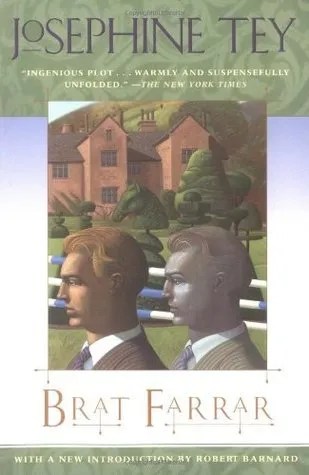
Brat Farrar, by Josephine Tey – Another one I’ve been meaning to read for awhile, Brat Farrar is Tey’s famous take on the case of the Tichborne Claimant. It was an interesting structure – the reader knows from the beginning that Brat is not who he says he is and the tension is around the question of whether he will carry off his deception. A good read; I’m glad I finally picked it up.
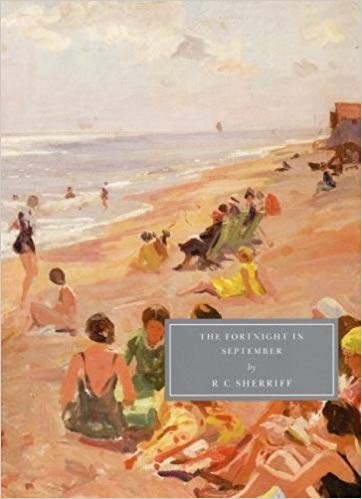
The Fortnight in September, by R.C. Sherriff – This was a re-read for me, and remains a total joy: the story of a very ordinary, working-class family and their annual seaside holiday to Bognor, in which nothing much happens and that’s the point. Sherriff follows the Stevens family from the night before they leave through their train journey and each day of the week: their hopes and dreams for the trip, small frustrations and outsized joys. I read it a few years ago (also in September) and this year listened to the audiobook version, which if possible I loved even more. Jilly Bond’s narration captured the story perfectly. Such a delight.

The Theft of the Iron Dogs, by E.C.R. Lorac – I love E.C.R. Lorac’s books – a relatively recent discovery for me and I’m so enjoying working my way through the catalog published by the British Library. This latest reprint takes place over a rainy September. The mystery was engaging, but it was really Lorac’s writing about the Lancashire countryside and the farmers who live there, that made the book. Loved it.

Well, that’ll do for September! Considering that I started the month in a major reading slump, I feel like I finished it in a good place. Some definitely highlights here – especially the mysteries, all of which I enjoyed. But the highest of the highlights has to have been Letters to Michael, which I absolutely adored and will be shortlisted for my top ten books at the end of the year. And now – onward to October. I’m still on a mystery jag so that’s not slowing down anytime soon, and I am thinking of some spooky reads for later in the month. Time will tell what I find on my shelves…

How was your September in books?
Reading Round-Up: August 2023

Reading is my oldest and favorite hobby. I literally can’t remember a time in my life when I didn’t love to curl up with a good book. Here are my reads for August, 2023.

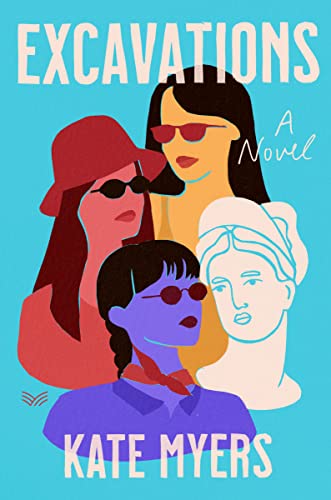
Excavations, by Kate Myers – This debut novel came highly recommended by Kerry McHugh, and I definitely co-sign that recommendation. The story of four women working an archaeological dig in Greece, and the momentous discovery they make, is a smart, fun, feminist romp of a book. It was a perfect vacation read, and I can’t wait to see what the author does next.

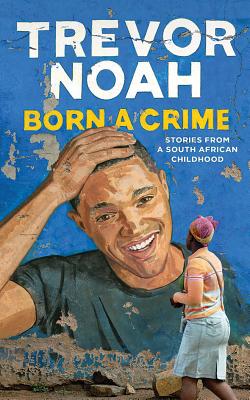
Born a Crime, by Trevor Noah – I must be the last person on earth who hasn’t read Trevor Noah’s memoir, but I’ve corrected that now and it absolutely lived up to all the hype. Noah intersperses stories of his own coming of age with South African history and context that puts his own experiences into frame. It was definitely funny, but it was also smart and thoughtful. And I read that last chapter with my heart in my throat.

The Growing Summer, by Noel Streatfeild – Just a quick, easy, light read – one of Noel Streatfeild’s books for children. Four siblings are shuffled off to spend the summer with an eccentric relative in Ireland while their mother is off tending to their sick father, who has fallen ill abroad. It’s formulaic but comforting and I enjoyed it.

Picnic at Hanging Rock, by Joan Lindsay – The story of three young girls and a teacher who disappear from a school picnic on Valentine’s Day – and all of the fallout from the disappearance – is a classic of Australian literature and I’m glad I finally got to it. I was waffling between reading it around Valentine’s Day, when the fateful picnic takes place, or reading it in the summer (because of course, February is the height of the season in the southern hemisphere). In the end I decided to read it in summer and that was the perfect time, because the heat is such an important element of the story. It was tense and an exhilarating read.

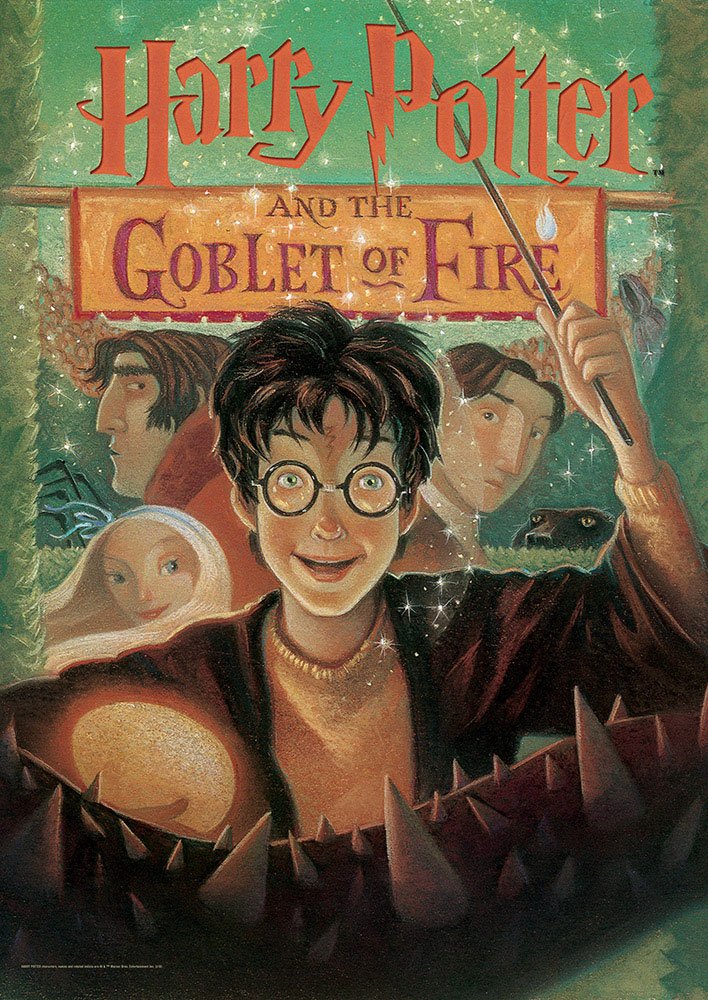
Harry Potter and the Goblet of Fire (Harry Potter #4), by J.K. Rowling – Nugget and I have been working our way through the Harry Potter books at bedtime. I admit I was skeptical about this project, because starting with this fourth installment the series does get significantly darker and more intense – as we all know by now. But Nugget is loving this bedtime reading and it’s such fun to share Harry’s world with him.

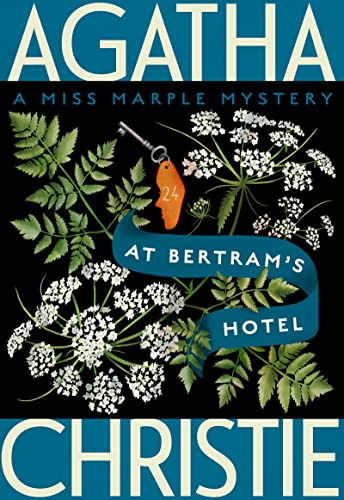
At Bertram’s Hotel (Miss Marple #11), by Agatha Christie – Miss Marple’s nephew Raymond and niece Joan want to give her a treat, and she asks for a week at Bertram’s Hotel, London. Bertram’s is a relic of the golden age of British travel, where no detail is too small for the guests’ comfort (it’s based on Brown’s Hotel in London, where I now must stay). Of course, where Miss Marple goes, murder tends to follow. I listened to the audiobook version and, although not Christie’s best, it was good fun while painting my kitchen cabinets.

Bricks and Mortar, by Helen Ashton – I’d been saving this one for the settling-into-my-new-house phase and it was a good choice. The story of an architect’s life, and his tense family relationships, it’s well-written and quite engaging. I didn’t love the characters, for the most part – except for Stacy – and I would have liked more house details. But overall a good read.

Bookworm: A Memoir of Childhood Reading, by Lucy Mangan – Definitely one of the highlights of my month! I listened to the audiobook version, read by the author, and it was a total joy. I wish LKucy Mangan and I could be best friends, or at least members of the same book club This memoir, which weaves through an entire childhood of reading, was such a fun listen, even during the rare parts in which Mangan’s reading and mine did not overlap. (And I’m very glad that she changed her opinion of Anne Shirley.)

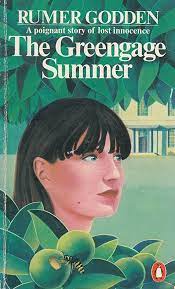
The Greengage Summer, by Rumer Godden – I meant to read this last summer and didn’t get around to it, and I’ve been saving it ever since. This story of a hot summer and tense affair at a French countryside hotel was gripping. I read the last twenty pages while absentmindedly stirring tomato sauce on the stovetop, because I couldn’t put it down.

The Maid (Molly the Maid #1), by Nita Prose – Nita Prose’s inaugural Molly the Maid mystery definitely takes a minute to get into, due to the language idiosyncrasies that reflect Molly’s own quirky personality. But once I did, I fell hard for Molly and her friends at the Regency Grand hotel (which I pictured as the Waldorf Astoria). My only complaint: I didn’t think the author played fair with the ending. But it didn’t ruin the book for me and I’ll definitely continue on with the series.

Winnie-the-Pooh, by A.A. Milne – Another Nugget bedtime read – Mommy needed a breather after the intense finale of the fourth Harry Potter book (and I hadn’t yet found the fifth one while unpacking). Nugget was skeptical – I think he thought Pooh was a bit babyish – but he cackled through the third chapter and he’s definitely a convert now. It’s all part of my plan…

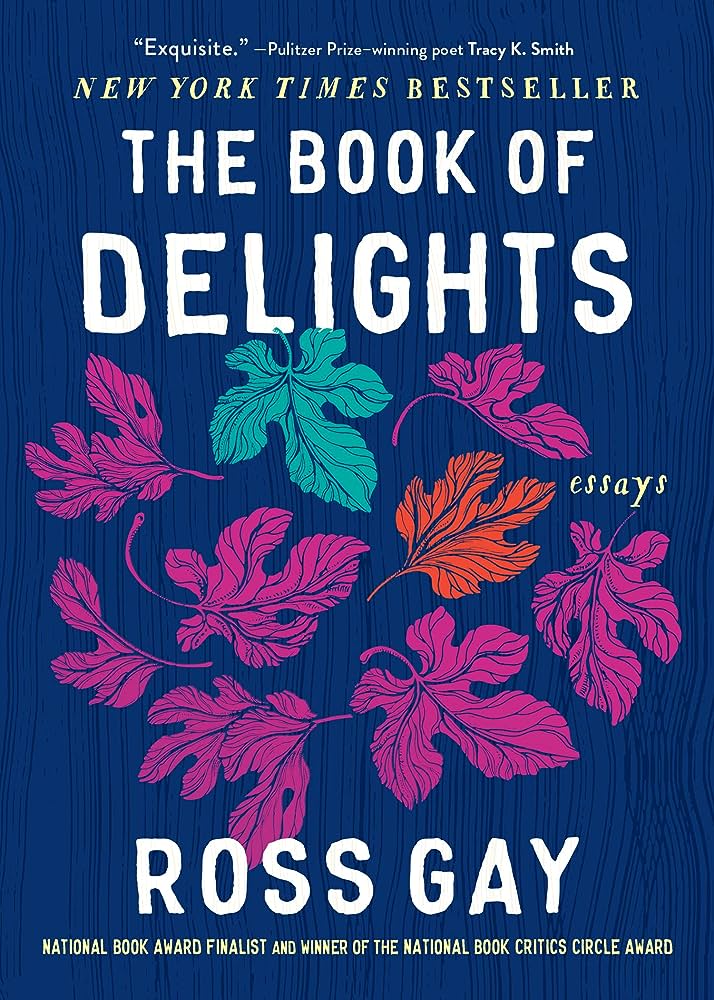
The Book of Delights, by Ross Gay – The last book of the month was another audiobook – my count makes that three for the month, which is crazy to me. This one was a mixed bag for me. Recognizing that delight is an inherently personal concept, I came to it with an open mind and a willingness to be delighted by unexpected things. And some of the short essay-ettes were lovely; others were thought-provoking and insightful. But there was too much profanity for my taste, and much of the text went over my head (as one Goodreads reviewer put it – aptly – it was like being cornered at a party by a philosophy major).

Whew! I’m kind of shocked at twelve books for the month. The last week or so, I’ve felt like I was in a bit of a reading slump – but that was September, of course, and this is ancient history. Ancient history in which I apparently read a LOT. Three audiobooks, as noted above – wow. One of which, Bookworm, may be a contender for my top ten books of the year when I write that post in December. Excavations was the other standout of the month. Looking back on it, I wouldn’t say August was a superb month with a cascade of reading highlights – but it was solid, and looking at it from my mini-slump of the last couple of weeks, solid is very good indeed.

How was your August in books?
Reading Round-Up: July 2023

Reading is my oldest and favorite hobby. I literally can’t remember a time in my life when I didn’t love to curl up with a good book. Here are my reads for July, 2023.

A Sultry Month: Scenes of London Literary Life in 1846, by Alethea Hayter – This group biography of several writers and artists living and working in Victorian London was well-written and interesting. It’s quite cerebral, so word to the wise – save it for a time when you’ve got the energy and attention to devote. Like, maybe, not while you’re moving house.

The Thirty-First of June, by J.B. Priestley – I absolutely loved this fun and silly romp. An Arthurian princess looks into a magic mirror that shows her the face of her beloved and sees a low-level advertising firm employee in 1960s London. With the help of two feuding magicians, the two end up time-traveling to meet each other, but they keep missing one another. A fast read and absolutely hilarious.

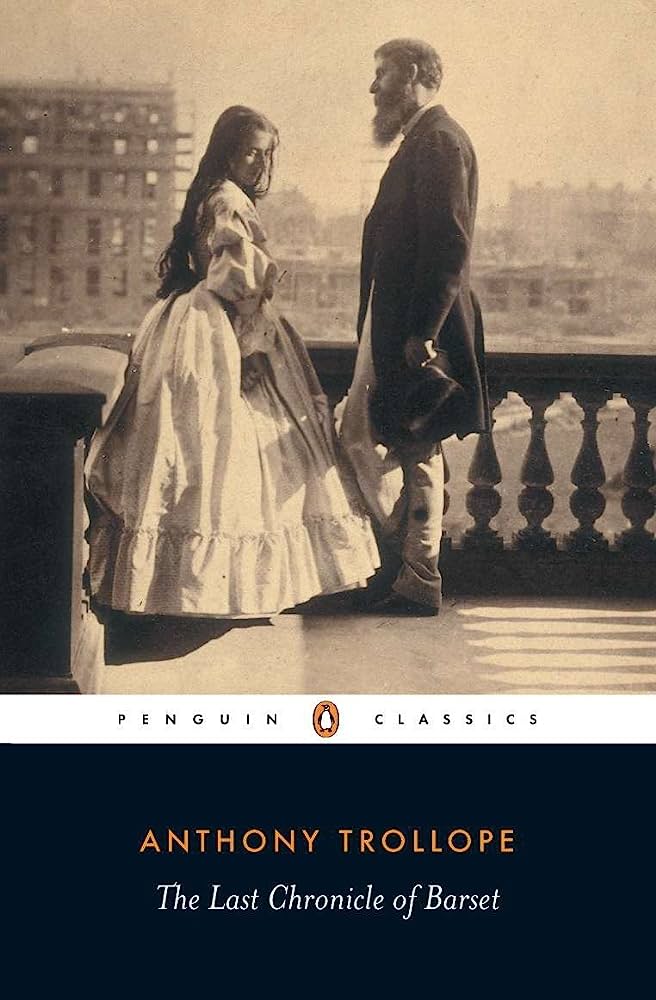
The Last Chronicle of Barset (Chronicles of Barsetshire #6), by Anthony Trollope – The final installment in the Barsetshire series and the finally book on my Classics Club list, finishing this was bittersweet. It was a good story with lots of old friends. Fully reviewed here – I loved it.

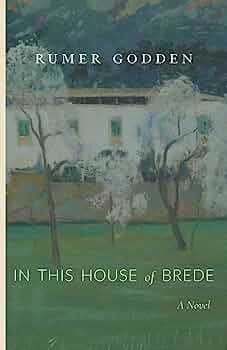
In This House of Brede, by Rumer Godden – Everything I read by Rumer Godden just blows me away. This “contemporary” chronicle of nuns in a Benedictine abbey was gorgeously written and the main character’s story was heart-wrenching.

One Summer: America 1927, by Bill Bryson – We 2023 Americans think that we’re living through hectic times in the news cycle, and we are, but it’s not for the first time. 1927 was a very eventful summer, for example. Charles Lindbergh flew across the ocean, Babe Ruth broke his home run record, Sacco and Venzetti were executed, and so much more happened – the main plotlines aside, every chapter is filled with interesting little detours and hilarious Bryson-esque asides. I listened to this on audio – read by the author, it was a fabulously engaging listen; I kept finding myself inventing errands to run so I’d have an excuse to drive around listening more.

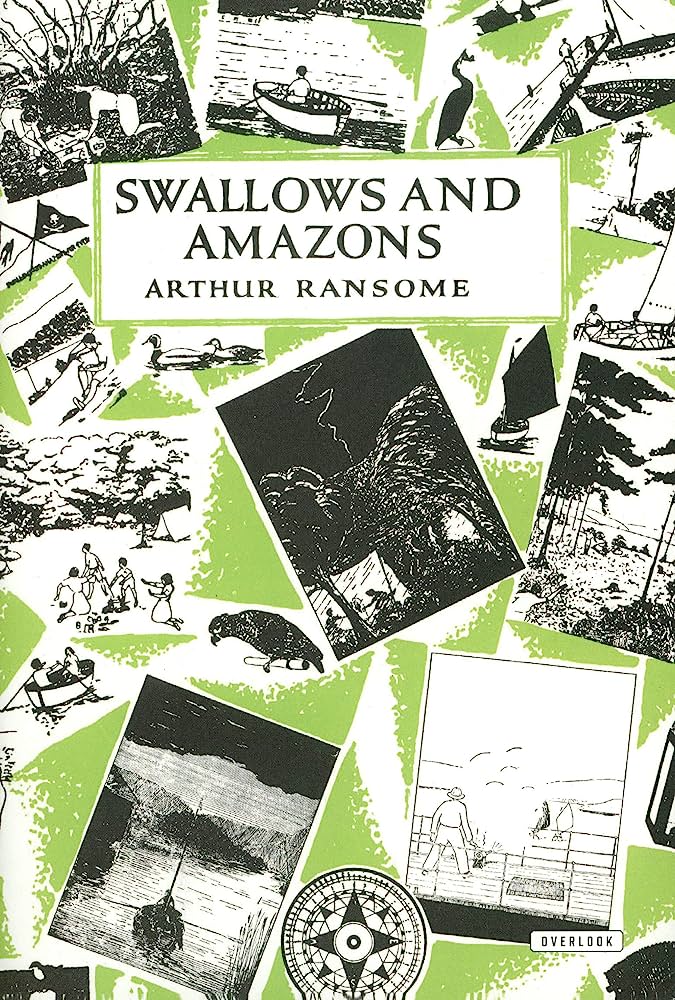
Swallows and Amazons (Swallows and Amazons #1), by Arthur Ransome – I’ve been meaning to read this for years – literally for years – and always thought it would make a perfect summer read. So it did. The story of four siblings and their friends, who sail and have adventures on an idyllic English lake one summer, is a total job. I’ve been trying to convince Nugget to let me read it aloud to him at bedtime, because I already want to revisit it.

House Woman, by Adorah Nworah – This was a book club choice that I didn’t love, to be honest. Thrillers are not my jam and some of the details really bothered me. It’s a good premise – a Nigerian woman is lured to the United States and held captive there by friends of her parents – but I didn’t care enough about the characters to find it tense or exciting.

The Jasmine Farm, by Elizabeth von Arnim – I’d heard this lesser-known von Arnim was even more charming than Father, which I adored. I don’t know that I would go that far, but this story of a judgmental aristocratic woman and her collision with a social-climbing actress in a rustic little farm in France was fun. The problem was that it took too long to get to the good part. But any von Arnim is going to be a worthwhile read for me and I can certainly see myself returning to this one – just maybe not as often as I return to The Enchanted April.

Whew! This post took a long time to write up and publish, but I can certainly say that July was a good month in reading. While I didn’t love everything I read last month, there were some real highlights – The Last Chronicle of Barset stands out, as does One Summer. Lots of good summer reading, too – quite a few of the books I read last month take place in the summer season, which is of course why I saved them to pick up at this time. I’m starting to pay more attention to reading books in the season they’re set, and while it doesn’t always work out it does add to the experience.

How was your July in books?

The Classics Club Challenge: The Last Chronicle of Barset, by Anthony Trollope

Well – I can’t believe I am actually sitting down to write this post. A review of the sixth and final novel in Trollope’s Barsetshire series, and my very last review for the Classics Club Challenge (this round anyway; I’m not planning any future rounds, but never say never). This was a fitting book to end on, both the Barsetshire books and the reading challenge. Trollope did it right.

The Last Chronicle of Barset focuses its main plotline on the Crawley family. Rev. Josiah Crawley, Perpetual Curate of Hogglestock, first made his appearance in the fourth Barset novel, Framley Parsonage. His role in that story is small – he mostly exists as a counterpoint and occasional sense-talker for his much wealthier neighbor, Mark Robarts, the Vicar of Framley. In Framley Court Trollope explains that Rev. Crawley is an educated but impoverished clergyman, plucked from the obscurity of a poor diocese in Cornwall and established at Hogglestock by his old friend Mr Arabin, Dean of Barchester Cathedral. Hogglestock is meant to be a more comfortable living for Mr Crawley than his Cornish parish, but even so it’s not exactly an Eden. The poorest part of the county, its parishioners are mostly rough farm laborers and brickmakers at Hoggle End. And the living is small – not really enough for Mr Crawley to support his family, and they are often reduced to accepting charitable gifts (mostly of food) from their more well-off friends – the Robarts and Lufton families, mostly. This is a source of intense shame and humiliation to Mr Crawley. When The Last Chronicle opens, Mr Crawley seems to have finally been broken – he is accused of stealing a check for twenty pounds. Brought before a panel of magistrates, Mr Crawley cannot explain where he got the check from; his brain has become muddled by years of crippling poverty and worry. But he refuses to engage a lawyer to defend him, and the local magistrates have no choice but to commit him for trial at the next assizes. And with that, Mr Crawley and the check become the talk of Barchester, and the biggest scandal to sweep the county – a clergyman thief! – in years.

Everybody in the county was talking about Mr Crawley. At home, at Framley, there was no other subject of discourse. Lady Lufton, the dowager, was full of it, being firmly convinced that Mr Crawley was innocent, because the bishop was supposed to regard him as guilty. There had been a family conclave held at Framley Court over the basket of provisions which had been sent for the Christmas cheer of the Hogglestock parsonage, each of the three ladies, the two Lady Luftons and Mrs Robarts, having special views of their own, How the pork had been substituted for beef by old Lady Lufton, young Lady Lufton thinking that after all the beef would be less dangerous, and how a small turkey had been rashly suggested by Mrs Robarts, and how certain small articles had been inserted into the bottom of the basket which Mrs Crawley had never shown to her husband, need not be told at length. But Mr Robarts, as he heard the two grooms talking about Mr Crawley, began to feel that Mr Crawley had achieved at least celebrity.

(Young Lady Lufton, of course, is our old friend Lucy Robarts, whose love story with Lord Lufton and overcoming the opposition of his mother, the elder Lady Lufton, is the main storyline of Framley Parsonage.)

Mr Crawley’s presumed disgrace seems to concern everyone in the county, and the fate of his entire family hangs in the balance. Mrs Crawley is most concerned for her husband’s mental strength, but she also worries about how she and her younger daughter, Jane, will live if Mr Crawley goes to prison – as indeed it seems likely he will, unless he can remember and explain how he obtained the stolen check. The Crawleys also have an elder daughter, Grace, and her entire future is hanging in the balance of her father’s trial. Grace has met, befriended, and fallen in love with Major Henry Grantley, the younger son of Archdeacon Grantly – a wealthy clergyman, perpetual opponent of Bishop Proudie, and one of the main characters in The Warden and Barchester Towers, the first two books of the series. Archdeacon Grantly has added to his wealth and lands over the years with the intent of passing it all down to his children. His daughter Griselda needs nothing, having made a brilliant marriage – she is now a Marchioness. His elder son, Charles, is climbing the episcopal ranks, married a noblewoman, and is ambitiously aiming at a bishop’s palace of his own. Major Grantly, the youngest, is a widower with a young daughter and his father’s cherished ambition is to make a wealthy landowner and squire of him. But Major Grantly is now in love with the daughter of the shabbiest, poorest curate in Barsetshire – who is probably going to prison for theft. Both Archdeacon and Mrs Grantly are dismayed by their son’s announcement that he plans to pursue Grace Crawley no matter what happens to her father, and they threaten to cut off his income and transfer his entire inheritance to his brother if he takes this drastic step.

I won’t go into any more detail about the plot than I already have. I won’t solve the mystery of the stolen check for you, or tell you if Mr Crawley’s story ends poorly or happily. I won’t tell you if Grace Crawley finds happiness with Major Grantly or if she falls ingloriously with her father, and I won’t tell you if Lily Dale and John Eames – who also make re-appearances in this story – finally end up together or not. I won’t tell you what happens to the Bishop and Mrs Proudie, to the Arabins or the Grantlys or Mr Harding or any of the other characters. You should read the whole series, befriend these people, and then enjoy following their stories to the natural conclusion; I’m not going to ruin it for you.

All I want to say is this: The Last Chronicle of Barset was the perfect ending to the series. I’d read that it is the darkest of the six novels, and that might be true (although I personally feel that The Small House at Allington was darker). But I still found it a joy to read – while the central plot (how did Mr Crawley get the check, and will he escape prison?) is compelling and kept me turning pages, what really made this book for me was the many appearances of characters who have become old friends. It seemed that everyone was here: Mr Harding, the Arabins, the Grantlys, the Proudies, the Dales, Dr and Mrs Thorne (the former Miss Dunstable, still fabulous!), the Greshams, the Robartses, the Luftons… everyone got at least a cameo, and several got their own story arcs and endings. Not every story was tied up neatly, with a bow, but that was okay – every character got a fitting conclusion, even if it wasn’t always what I would have chosen for them. This made the book a massive 930 pages, but it was worth it.

Actually, my one complaint about the book does relate to its length: Trollope includes a side plot about John Eames’ romantic adventures in London, and this was just unnecessary in my view. He introduces new characters, none of whom are very nice, and a plotline that is a little boring. He does tie it rather loosely to John’s love for Lily, but it felt unnecessary. I’d have rather had Trollope remove that plot altogether and cut some length from the book, or devote those pages to more about the Greshams, who only got the very shortest of cameos, or the Arabins’ adventures abroad. But really, this is a minor complaint: I was happy for Trollope to take me on this journey, one last time, through the cobbled streets of Silverbridge and Barchester, the winding country lanes of Barset, and into the drawing rooms of my favorite characters and the light-dappled nave of Barchester Cathedral.

And now, if the reader will allow me to seize him affectionately by the arm, we will together take our last farewell of Barset and of the towers of Barchester. I may not venture to say to him that, in this country, he and I together have wandered often through the country lanes, and have ridden together over the too well-wooded fields, or have stood together in the cathedral nave listening to the peals of the organ, or have sat together at good men’s tables, or have confronted together the angry pride of men who were not good. I may not boast that any beside myself have so realized the place, and the people, and the facts, as to make such reminiscences possible as those which I should attempt to evoke by an appeal to perfect fellowship. But to me Barset has been a real country, and its city a real city, and the spires and towers have been before my eyes, and the voices of the people are known to my ears, and the pavement of the city ways are familiar to my footsteps. To them all I now say farewell. That I have been induced to wander among them too long by my love of old friendships, and by the sweetness of old faces, is a fault for which I may perhaps be more readily forgiven, when I repeat, with some solemnity of assurance, the promise made in my title, that this shall be the last Chronicle of Barset.

Have you read Trollope’s Chronicles of Barsetshire? Which is your favorite? It’s still Doctor Thorne for me, but I did love this fitting finale.

The Classics Club Challenge: The Small House at Allington, by Anthony Trollope

The penultimate novel of Trollope’s Chronicles of Barsetshire introduces us to yet another outlying area of the region: Allington and Guestwick. Previous chronicles introduced us to the clerical lights of Barchester itself – Bishop Proudie and his wife, Dean and Mrs Arabin, kindly Mr Harding; to the Grantly family of Plumstead Episocpi; the Thornes of Ullathorne and Chaldicotes; the Greshams of Greshamsbury and Boxall Hill; the Robarts and Lufton families of Framley; and the leading families of the region, the de Courcy family and the Duke of Omnium. Now we’re taken to Allington and introduced to Squire Dale. The old squire never married – he was unlucky in love and the Dales are known for their constancy; his heir is a nephew, Captain Bernard Dale, and he has two nieces and a widowed sister-in-law living in a dowager’s house on his property. Squire Dale’s own residence is the Great House, and Mrs Dale and her two daughters live in the Small House. As the reader might easily guess, the action revolves around the Small House and its three residents.

Caution: spoilers ahead!

Bell and Lily Dale are widely regarded as two of the prettiest young ladies in the area. They’re not rich, but would-be suitors assume their uncle plans to make some provision for them when they marry. And that’s the state of things when Bernard visits and brings with him a young friend, Adolphus Crosbie. Mr Crosbie is a government clerk, but proves to be something of an “Apollo,” as a first derogatory and then soon admiring Lily puts it. For his part, this Apollo is struck by Cupid’s arrow and quickly becomes infatuated with Lily – and with the idea that she will have a large dowry courtesy of Uncle Christopher. Against his own better judgment, and ignoring private fears that a wife and houseful of children will mean the end of the freewheeling lifestyle he enjoys – he proposes, and is accepted. And he’s immediately conflicted. Lily is pretty and her adoration is flattering. But when Squire Dale expresses his disinclination to settle any money at all on Lily – meaning she’ll be bringing only her own very modest income to the marriage home – he’s dismayed.

The squire is nurturing a fond wish that Bernard will marry his cousin Bell, and he plans to settle all of his disposable riches on them. Bernard is willing, but Bell has someone else in mind. Squire Dale’s fury at his pet matrimonial project being stymied – and Mrs Dale’s steadfast refusal to do anything to influence her daughter in favor of Bernard – lead to the two houses splitting, temporarily, in anger. Mrs Dale threatens to move out – a financially disastrous idea, because she has no money of her own and is living rent-free in great comfort – and Bell and Lily egg her on. Squire Dale refuses to budge and the result is that the Small House is thrown into upheaval as the three Dale ladies prepare to move. Being mid-move myself when I read this, the following passage really resonated with me:

Who does not know how terrible are those preparations for house-moving;–how infinite in number are the articles which must be packed, how inexpressibly uncomfortable is the period of packing, and how poor and tawdry is the aspect of one’s belongings while they are thus in a state of dislocation? Nowadays people who understand the world, and have money commensurate with their understanding, have learned the way of shunning all these disasters, and of leaving the work to the hands of persons paid for doing it. The crockery is left in the cupboards, the books on the shelves, the wine in the bins, the curtains on their poles, and the family that is understanding goes for a fortnight to Brighton. At the end of that time the crockery is comfortably settled in other cupboards, the books on other shelves, the wine in other bins, the curtains are hung on other poles, and all is arranged. But Mrs Dale and her daughters understood nothing of a method of moving such as this.

Meanwhile, all is not well for Lily either. Mr Crosbie, dismayed by her lack of fortune, attends a house party at Courcy Castle and finds himself manipulated into proposing to a daughter of the house, Lady Alexandrina de Courcy. Now the character who is least inclined to marriage in, possibly, all of Trollope – has two fiancees. Whoops! There’s no jilting a de Courcy, so Lily’s love is sacrificed on the altar of Crosbie’s ambition. Lily is, understandably, devastated – and she spends the rest of the book mourning her lost love and committing to her new plan of never marrying anyone at all. Despite all evidence of Crosbie’s character, she insists she loves him and will have no one else – which is tough luck on her childhood friend Johnny Eames, who has loved her since they were schoolchildren but didn’t feel able to tell her of his love until he had a means to provide for her. Eames’s star is finally on the rise (thanks to a lucky break with a bull and an Earl), but he’s too late to win Lily.

Before picking up this book, I’d read that Lily Dale was Trollope’s least likable heroine. Now that I’ve read it, I wouldn’t say she is unlikable, necessarily (although she’s no Eleanor Harding, Mary Thorne or Lucy Robarts) but darned if she isn’t the most frustrating. This being Trollope, I assumed she would eventually come to her senses and marry John Eames – rewarding his steadfast love and being rewarded, herself, with his more than solid financial status. Up until The Small House at Allington, all of the Trollope novels I’ve read have had more or less conventionally happy endings.

Enter Lily Dale.

We are told repeatedly through the book that the Dales are known for their constancy. I’d edit that to pig-headedness. While Squire Dale eventually accepts that Bernard and Bell are not meant to be, his newfound (and frankly pretty paltry) flexibility is too late to secure a marriage between Lily and Mr Crosbie, and Lily will have no one else. She would literally rather spend her entire life an old maid than marry her newly rich childhood sweetheart. This level of stubborn idiocy actually deserves what it gets.

Mrs Dale is almost as frustrating. She refuses to intercede in her daughters’ love lives – a fair and laudable position to take unless you consider that marriage was the one means a woman had in Victorian times of securing her financial position. She’s staking their entire comfort later in life on Uncle Christopher, but she’s also willing to fight with him to the point of moving out of the house – a step that would have irreparably broken their relationship had she gone through with it, which fortunately she was prevented from doing by Lily’s illness after being jilted by Mr Crosbie. Had Mrs Dale and the girls actually left the Small House, their futures would have been bleak indeed.

When I read Trollope, I often think of Jane Austen. His books often have a very similar feel, even though they were written a few decades later. Austen would, I suspect, have had no sympathy for Lily or Mrs Dale. Mrs Dale is the anti-Mrs Bennet – reluctant to a fault to interfere in her daughters’ lives. While Mrs Bennet makes for an object of ridicule at first, when you stop to think about it, she’s a far more successful mother by the standards of the day. I’ve written about Mrs Bennet before – in a world in which the choice was often between marriage and literal destitution, Mrs Bennet got five fortune-less daughters married, two of them to very rich men, and secured her entire family’s financial futures. Meanwhile, Mrs Dale has one daughter married to a poor country doctor and as for the other – well, she could have married an Earl’s heir but instead the Dales are well on their way to becoming the Mrs and Miss Bates of Barsetshire. (Imagine if Lizzy had refused to marry Darcy even after finding out what a complete rogue Wickham is, just because she liked Wickham first.) I couldn’t help but think that had Austen been writing The Small House at Allington, either Bell would have eventually fallen for Bernard or Dr Crofts would have fallen into a large surprise inheritance, and Lily would have ended up with John Eames.

Don’t think, though, that I didn’t like The Small House at Allington – it seems impossible for me to dislike anything Trollope does. I find his writing so absorbing, his characters and settings so compelling, and his stories so compulsively readable that no matter how disappointed I am in a character’s maddening stubbornness, I still loved every page.

Lily Dale is a dip, though, and needs remedial life coaching from Lizzy Bennet.

Have you read the Chronicles of Barsetshire? Which is your favorite? For me, it’s still “Doctor Thorne.”

The Classics Club Challenge: The Three Musketeers, by Victor Hugo

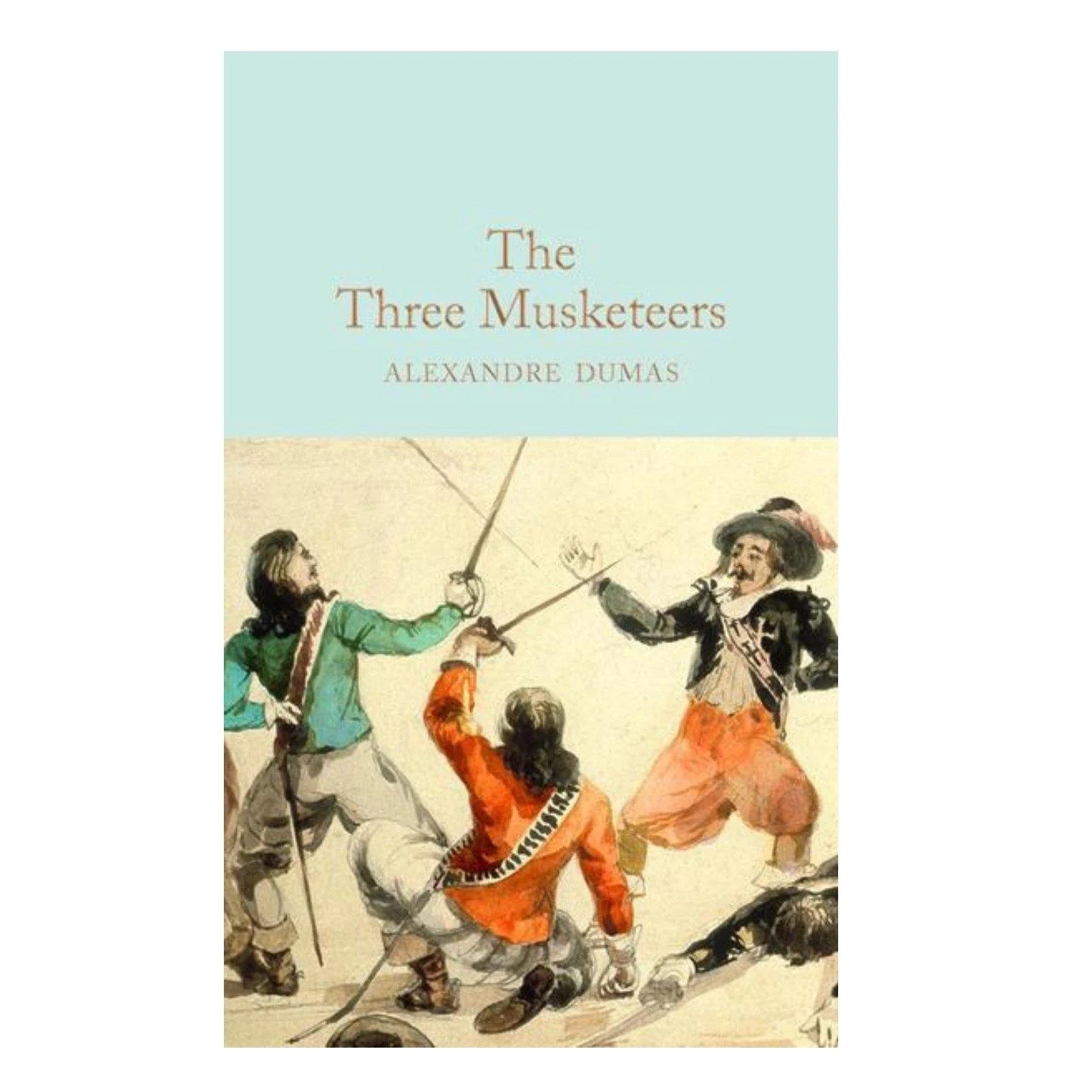
Victor Hugo is best known for two novels: the ponderous and earnest Les Miserables (which I read when I was an earnest high schooler) and the swashbuckling, silly The Three Musketeers. I’d missed this one up until now, and am glad to have finally made the time to read it.

The Three Musketeers follows the adventures of a young member of the King’s Guards, d’Artagnan, and his friends Athos, Porthos and Aramis – members of the King’s Musketeers. When the novel opens, d’Artagnan is making his way to Paris on a bright yellow horse, carrying a letter of introduction to the commander of the Musketeers, who hails from the same part of France. D’Artagnan is a fiery-tempered, quick-to-anger (but not exactly quick-witted) young man, and he immediately finds himself in a fight when a mysterious man insults the color of his buttercup-yellow horse. This is something of a theme with d’Artagnan – he duels first and asks questions later. In the fight, he loses his letter of introduction – but no worry, he proceeds to Paris anyway and gets the attention and patronage of the leader of the Musketeers, then promptly insults the three Musketeers and gets himself challenged to three duels in three hours. Whoops!

It’s no spoiler to tell you that d’Artagnan survives these first encounters with the Musketeers – since it happens right at the beginning of the very long book, he’d have to – unless this was a ghost story, which it isn’t. More than survives, he winds up their particular friend, and spends the rest of the book having swashbuckling adventures and engaging in romance and court intrigue with them. D’Artagnan falls in love with his landlord’s wife – a seamstress at the Louvre, who has the confidence of Anne d’Autriche, the Queen, and her lover the Duke of Buckingham. D’Artagnan’s lady love is kidnapped several times, at the machinations of Milady de Winter, a femme fatale and ally of the treacherous Cardinal Richelieu – but no fear, the Three Musketeers stand ready and willing to help their friend rescue his paramour. And to get falling-down drunk along the way, as much as humanly possible.

“Are you wounded?” he asked.

“Me? Not in the least. I’m dead drunk, that’s all, and never has a man done better at it. Good God, mine host, I must have drunk at least a hundred and fifty bottles on my own!”

“Mercy!” cried the host. “If the valet drank only half what the master did, I’m ruined.”

“Grimaud is a well-born lackey, who would never allow himself the same fare as I. He drank only from the kegs. Wait, I think he forgot to turn off the spigot. You hear? It’s running.”

D’Artagnan let out a burst of laughter that turned the host’s shivering into a hot fever.

At the same time, Grimaud appeared in turn behind the master, the musketoon on his shoulders, his head wagging, like the drunken satrys in Rubens’s paintings. He was soaked front and back in a thick liquid that the host recognized as his best olive oil.

The Three Musketeers is a fun, silly, page-turner of a book. D’Artagnan is always getting himself into and out of duels and love affairs, and the Musketeers are always getting themselves into and out of barrels of wine. (One of my favorite scenes takes place when d’Artagnan, the Musketeers, and their servants engage in a picnic on a battlefield, holding off English soldiers and stealing the weapons of hordes of the Cardinal’s men – while drinking a whole lot and having a generally noisy and raucous time.) But there are also some surprisingly thought-provoking moments among the carousing.

The center of the narrative revolves around the love affair between Anne d’Autriche and the Duke of Buckingham, and the machinations of Cardinal Richelieu. The Three Musketeers, and especially d’Artagnan, are really just pawns in these luminaries’ high-stakes games. But they risk death – and become killers themselves – for a queen and her lover and a Cardinal’s political gamesmanship. Which, when you cut through the swashbuckling silliness and the barrels upon barrels of French wine – is deeply distressing and wrong. So wrong that event d’Artagnan, leaving a would-be assassin with a sword through his chest as he makes his way to London to warn the Duke of Buckingham about Cardinal Richelieu’s latest plot, reflects on the unfairness of it all.

Then, casting a last glance at the handsome young man, who was barely twenty-five years old and whom he left lying there, insensible and perhaps dead, he heaved a sigh over the strange destiny that leads men to destroy each other for the interests of people who are strangers to them and who often do not even know that they exist.

The Three Musketeers and d’Artagnan are soldiers, trained to follow orders without questioning them, but even they stop to think – but why? Why am I expected to lay down my life for these people who don’t even know I’m alive? Not for a concept, like the freedom to be oneself and live without fear of persecution. Not for the protection of innocent lives. But for a Queen and her lover, or for a political puppetmaster’s power-grabbing games. And the injustice of that – that’s Hugo’s message.

That and also this: wine is delicieux.

Have you read The Three Musketeers? What did you think?

The Classics Club Challenge: East of Eden, by John Steinbeck

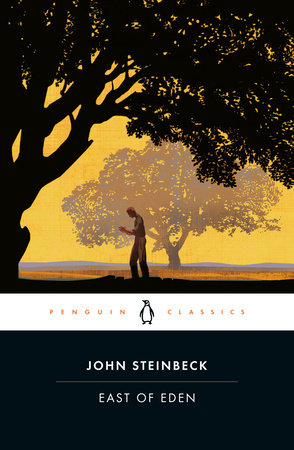
A review I read on Goodreads of John Steinbeck’s classic East of Eden assured the reader that they need look no farther: this is the Great American Novel. No doubt. Well – I don’t know if we can proclaim that status completely unequivocally, but it’s certainly a fair statement, arguably true and definitely defensible.

I’ve been a fan of Steinbeck’s work for a long time – I have read and loved both The Grapes of Wrath and Cannery Row multiple times, among his other novels and novellas – but somehow never made it to East of Eden. This is a multi-generational saga about two families that are doomed to repeat the Cain and Abel story in every generation. It’s gorgeous, epic, bruising, and true.

“It’ll be – who knows? maybe in our lifetime,” they said.

And people found happiness in the future according to their present lack. Thus a man might bring his family down from a hill ranch in a drag – a big box nailed on oaken runners which pulled bumping down the broken hills. In the straw of the box, his wife would brace the children against the tooth-shattering, tongue-biting crash of the runners against stone and ground. And the father would set his heels and think, When the roads come in – then will be the time. Why, we’ll sit high and happy in a surrey and get clear into King City in three hours – and what more in the world could you want than that?

What in the world, indeed.

The main plot focuses on Adam Trask. Adam grows up on the East Coast, but after a terrifying fight with his brother Charles and a stint in the Army, he marries a mysterious woman named Cathy and brings his bride to California. Cathy – now pregnant – schemes to get back East; she’s more than capable of getting her way and has no qualms about drawing blood and ruining lives, literally. When she gives birth to twin sons she immediately leaves Adam (and leaves him with a remembrance of her that I won’t spoil here, in case you want to read the book) and runs away to a house of women pursuing… the oldest profession. Adam pines for Cathy (who has renamed herself Kate and is giving way to all of her vilest, most murderous plans) but after a year of this pointless grieving, a local friend stages an intervention and forces Adam back to reality.

Adam chooses the names Caleb and Aaron – soon shortened to Cal and Aron – for his sons (rejecting his neighbor, Samuel’s, suggestion that he name them after Biblical brothers Cain and Abel). The generations of brothers with names beginning with C and A is maybe the one area where Steinbeck gets a bit heavy-handed. He makes it abundantly clear that his narrative is the Cain and Abel story repeated over and over (in slightly different ways) – but perhaps to the point where the reader gets a bit exasperated. We get it, we get it.

“Two stories have haunted us and followed us from our beginning,” Samuel said. “We carry them like invisible tails – the story of original sin and the story of Cain and Abel. And I don’t understand either of them. I don’t understand them at all but I feel them. Liza gets angry with me. She says I should not try to understand them. She says why should we try to explain a verity. Maybe she’s right – maybe she’s right. Lee, Liza says you’re a Presbyterian – do you understand the Garden of Eden and Cain and Abel?”

“She thought I should be something, and I went to Sunday School long ago in San Francisco. People like you to be something, preferably what they are.”

Adam said, “He asked you if you understood.”

Steinbeck’s point, of course, is that none of us really understand Cain and Abel. Some may think they do, but they don’t. (I am only vaguely familiar with the Old Testament, so I definitely don’t – other than a passing knowledge that Cain and Abel were two of Adam and Eve’s sons and Cain killed Abel.) But in any event, it’s here that the story really picks up: with the entry of Cal and Aron. While Adam is consumed with mourning the end of his relationship with Cathy, the boys remain vague shadows. After Samuel and family servant Lee stage their intervention, Adam begins to take an interest in his sons – and the reader gets to know them for the first time.

Maybe the difference between the two boys can be described in this way. If Aron should come upon an anthill in a little clearing in the brush, he would lie on his stomach and watch the complications of ant life – he would see some of them bringing food in the ant roads and others carrying the white eggs. He would see how two members of the hill on meeting put their antennas together and talked. For hours he would lie absorbed in the economy of the ground.

If, on the other hand, Cal came upon the same anthill, he would kick it to pieces and watch while the frantic ants took care of their disaster. Aron was content to be a part of his world, but Cal must change it.

Adam’s business does well and the boys grow up with every advantage that money can buy. And as they do, these differences become apparent. Aron is blonde, cherubic, adored by everyone around him. Cal is dark-haired, brooding, viewed with distrust and even dislike, while his father is respected and Aron is loved. It’s only too easy for Cal to feel the injustice of this and to grow up resentful.

This is where the story gets really interesting, and where Steinbeck turns the Cain and Abel story on its head. The reader starts out feeling an affinity for sweet Aron. You see shades of Adam’s violent brother Charles in Cal, and you dislike Cal for it. But when Adam makes the decision to leave his ranch and move his family – the boys and Lee, who has transcended the status of servant and is basically a member of the family at this point – to Salinas (where the reader knows Cathy is still living – a decision you know can’t possibly end well) you gradually start to feel more compassion for Cal. He desperately wants his father’s approval; he adores his brother; he is torn apart by grief at having been labeled as the bad one. Everything Cal does goes wrong in some way – even when he goes successfully into business for himself as a young man with the goal of presenting Adam with his earnings, Adam angrily rejects the money Cal has honestly earned, crushing Cal’s spirit. (That part broke my heart. I just wanted to hug Cal.)

I won’t tell you what happens between Cal and Aron, because you should definitely read it for yourself if you haven’t already. But if you have read it – or when you do – you’ll understand what I mean when I say that it’s all much more complicated than the Bible tale. And this is the genius of East of Eden – you begin the book thinking, “Of course, Aron is the good brother and Cal is the bad brother, and Cal is going to do something terrible to Aron.” But as you gradually begin to love Cal and cool on Aron, even knowing they’re going to repeat this Biblical story somehow, you start to ask so many questions. Who in my life am I labeling, wrongly? What has that done to them? Who has labeled me, and how did that change my behavior? Why was I originally drawn to Aron, why did I prefer him? When did that change? What would change in this story if the characters were more clear-eyed about both Cal and Aron? Where should I try to be more clear-eyed in my own life? They’re not comforting questions.

Adam sighed deeply. “It’s not a comforting story, is it?”

Lee poured a tumbler full of dark liquor from his round stone bottle and sipped it and opened his mouth to get the double taste on the back of his tongue. “No story has power, nor will it last, unless we feel in ourselves that it is true and true of us. What a great burden of guilt men have!”

This is certainly a story with truth and power. (To press home the point, Steinbeck even has himself appear as a minor character in the narrative. That might be the book’s only weakness: Steinbeck definitely doesn’t let you forget that this is the story of Cain and Abel, and that it’s one of humanity’s great truths. If you forget it’s a Cain and Abel tale, the characters will drink whiskey and discuss Cain and Abel. If you forget it’s true, the characters will go visit Olive Steinbeck so that young John can answer the door and remind you.) But it does what great literature – and maybe the Great American Novel – does; it pulls you into the narrative, makes you love and grieve for the characters, and gives you questions to ask about your own life. I adored it, couldn’t stop turning the pages, cried for Cal, and wished I’d read it a long time ago.

What is your favorite John Steinbeck novel?

The Classics Club Challenge: The Color Purple, by Alice Walker

Alice Walker’s acclaimed novel, The Color Purple, has been on my to-read list for years. A classic of the epistolary format – one of my favorite reading formats – it should have cycled to the top long before now; in any event, I’ve finally read it and found it as absolutely brilliant and jaw-droppingly beautiful as expected.

The novel follows two sisters with very different lives: Celie, who grows up poor before becoming a downtrodden child bride, and Nettie, who moves to Africa with missionaries and spends most of her adult life there. Celie’s husband, a widower, had originally wanted to marry Nettie, but their father insisted he take Celie instead, so she begins her married life as an unwanted consolation prize, destined to be a household drudge and free childcare for her new husband’s children from his first marriage. Celie finds some comfort in writing letters to God, in the sympathy of her new sisters-in-law, and in her dreams of meeting famous local singer Shug Avery. Celie’s sister-in-law, Kate, takes her shopping for a new dress – the first time anyone has shown Celie any love or care since her marriage.

He look at me. It like he looking at the earth. It need somethin? his eyes say.

She go with me in the store. I think what color Shug Avery would wear. She like a queen to me so I say to Kate, Somethin purple, maybe little red in it too. But us look an look and no purple. Plenty red but she say, Naw, he won’t want to pay for red. Too happy lookin. We got choice of brown, maroon or navy blue. I say blue.

I can’t remember being the first one in my own dress. Now I have one made just for me. I try to tell Kate what it mean. I get hot in the face and stutter.

She say, It’s all right, Celie. You deserve more than this.

Maybe so, I think.

While Celie tries to navigate her new marriage and household responsibilities, Nettie falls into the company of a missionary family preparing to travel to Africa. (I won’t tell you how Nettie meets the missionaries or what her connection is to them, since that would reveal an important plot point.) As Nettie’s world expands beyond the tiny circle of her poor hometown, she makes sense of her new experiences by writing long, newsy and thoughtful letters to Celie – unaware that Celie’s husband is preventing Celie from receiving any of them. (Vindictively, he had told Nettie that she would never speak or write to Celie again – but Nettie still holds out hope that her letters might get through.) In her missives to Celie, Nettie reflects on the culture shock she experiences in Africa, and especially on her horror at discovering practices like facial mutilation and female circumcision among the people she is trying to convert to Christianity (and, by extension, to a Western worldview).

The world is changing, I said. It is no longer a world just for boys and men.

Our women are respected here, said the father. We would never let them tramp the world as American women do. There is always someone to look after the Olinka woman. A father. An uncle. A brother or nephew. Do not be offended, Sister Nettie, but our people pity women such as you who are cast out, we know not from where, into a world unknown to you, where you must struggle all alone, for yourself.

So I am an object of pity and contempt, I thought, to men and women alike.

Meanwhile, back home, Celie has realized her dream of meeting the singer Shug Avery – who, it turns out, is an old flame of her husband’s. Shug turns up on their doorstep one day, sick and mean, and Celie patiently nurses her back to health – falling in love with her in the process. Shug, for her part, falls in love with Celie too – as much as she can, at least. Shug isn’t meant for one man or one woman, but Celie becomes the love of her life. Together, they explore each other’s bodies and minds, talking through their doubts and fears and joys and beliefs.

I is a sinner, say Shug. Cause I was born. I don’t deny it. But once you find out what’s out there waiting for us, what else can you be?

Sinners have more good times, I say.

You know why? she ast.

Cause you ain’t all the time worrying bout God, I say.

Naw, that ain’t it, she say. Us worry bout God a lot. But once us feel loved by God, us do the best we can to please him with what us like.

You telling me God love you, and you ain’t never done nothing for him? I mean, not go to church, sing in the choir, feed the preacher and all like that?

But if God love me, Celie, I don’t have to do all that. Unless I want to. There’s a lot of other things I can do that I speck God likes.

Like what? I ast.

Oh, she say. I can lay back and just admire stuff. Be happy. Have a good time.

Well, this sound like blasphemy sure nuff.

Alice Walker famously said that The Color Purple is a book about religion. There’s certainly plenty of material to chew on, between Nettie’s experiences with the missionaries and Celie’s homespun reflections. But the story that captivated me was a story of community, more so than religion. Nettie, surrounded by community – both her small community with the missionary family and her experience of a larger, and very different, community in the African village where they live – is, for all intents and purposes, alone. As a Western woman come to spread Christianity, she cannot be truly a part of the community in the village. But neither does she belong to the missionaries; indeed, she starts to fall apart from them when the missionary wife becomes jealous and suspicious of Nettie’s relationship to her husband. Nettie’s only solace is the community she creates for herself in the letters to Celie – letters she knows are almost certainly not even being delivered.

Celie, meanwhile, starts out the book virtually alone – married off at a young age to a man who does not love her and has only taken her on to be his drudge. Called ugly, forced to watch children who do not respect her, Celie could easily fall into loneliness and despair. But she seems to attract community – it grows up around her almost organically. First, there are her husband’s sisters, who seem to recognize that Celie is downtrodden but deserving of far more than her husband believes. Then Celie’s stepson grows up and marries a fiery woman, Sofia, who brings her own community to their home. And there’s Mary Agnes – called Mouse – who starts as an intruder to the family but becomes an important part of the community, and – above all others – there’s Shug. Celie, poor and at first unloved by any but Nettie, builds herself a life in which she is surrounded by community, and especially by female community. It’s a compelling story of the power of female friendship, support, and love.

It has taken me weeks to find the words to write this review, because this book was just so wonderful it left me astonished. I do need to give a trigger warning if you’re planning to read it, as part of the plot hinges on an act of abuse and incest. (This is crucial to the story and not gratuitous, is treated sensitively, and is over quickly – but it’s important to note.) And there really are no words to express how very special this book is, and all of these characters. I just adored them all – even the characters who began their story arcs as unpleasant people have their redemptions. I can see myself returning to The Color Purple again and again and taking some new treasure with me each time.

Have you read The Color Purple? What did you take from it?

Reading Round-Up: May 2023

Reading is my oldest and favorite hobby. I literally can’t remember a time in my life when I didn’t love to curl up with a good book. Here are my reads for May, 2023.

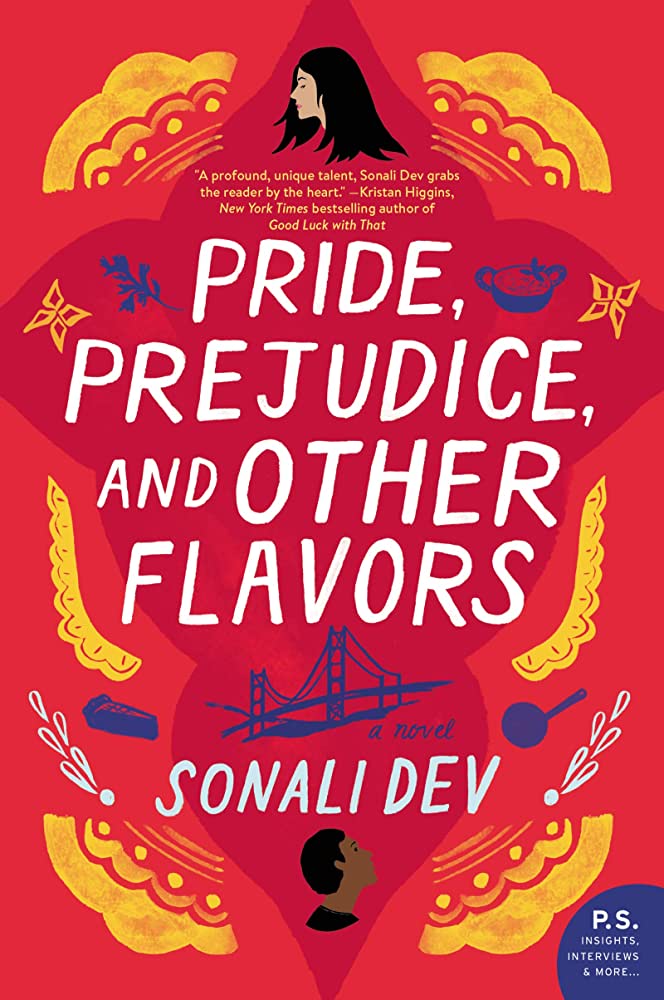
Pride, Prejudice, and Other Flavors (The Rajes #1), by Sonali Dev – I’m always on the lookout for a good Jane Austen adaptation and this was a fun one – gender-swapped. Trisha Raje is a brilliant surgeon but all her brains can’t help her relate to her wealthy family; DJ Caine is an up-and-coming chef hired to cater Trisha’s brother’s political fundraiser. When DJ and Trisha get off on the wrong foot, misunderstandings abound… and so does the romantic tension. Not great literature, but a fun read.

A Countryman’s Spring Notebook, by Adrian Bell – Ever since Slightly Foxed published its collection of Bell’s winter nature columns and hinted at plans for a series, I’ve been hoping for this book! It was every bit as good as its predecessor and a total joy from the first page to the last.

Quidditch Through the Ages, by J.K. Rowling a.k.a. Kennilworthy Whisp – My little guy brought this home from the elementary school library and I took advantage of his early bedtime to read it for myself (bookish mom moment!). A quick read, but such fun.

Are You There God? It’s Me, Margaret, by Judy Blume – This was a re-read – my work book club selected it for our inaugural meeting. It was fun to re-visit Margaret; I hadn’t read the book since 2015, when I was in a newborn Nugget haze, and I had forgotten almost all of the details. And then I ended up unable to make the meeting.

Curtain (Hercule Poirot #44), by Agatha Christie – I had an episode of Shedunnit on detective swan songs, which contained major plot spoilers, and which I’d been saving until I finally got around to reading this – check, both the book and the podcast. It was a brilliant mystery and a fitting send-off for Hercule Poirot.

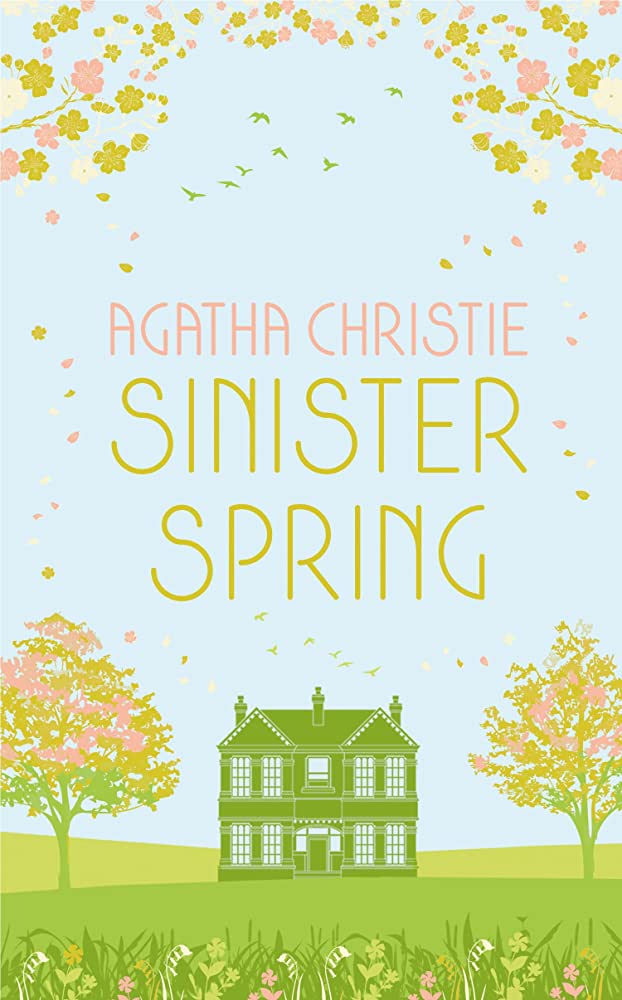
Sinister Spring, by Agatha Christie – Guess I was still in the mood for murder and mayhem, because next I picked up this collection of spring-themed mysteries. A fun romp! Lots of jewel heists in this one; classic.

The Three Musketeers, by Alexandre Dumas – Full review (for the Classics Club) to come, but I really enjoyed this swashbuckling, silly whopper of a book.

Letter from New York, by Helene Hanff – I don’t know how this one escaped my notice for so long – I loved 84, Charing Cross Road – but when Manderley Press announced that they were publishing this classic collection of Helene Hanff’s BBC Women’s Hour broadcasts in a gorgeous new edition, I grabbed it. It’s a love letter to Manhattan and a complete delight to read. I loved every word.

Coronation, by Paul Gallico – I bought this cute little hardback on a whim because of the Coronation and really enjoyed it. It follows a working class family who decide to sacrifice their summer holiday in order to travel to London for the Coronation of Queen Elizabeth II – and of course, things don’t go to plan. A quick read and very sweet.

A Nature Poem for Every Spring Evening, ed. Jane McMorland Hunter – I have loved reading Jane McMorland Hunter’s daily selections of nature poetry for the past two seasons! This one covers March through May and includes a lovely poem – including some old favorites and introducing some new favorites – for each evening. So far there hasn’t been any announcement of a continuation of this series into summer, but I continue to hope.

Quite a month! May is always a big reading month for me – probably because it’s a long month. It was a good one, too; I enjoyed everything I read this month. There were definite highlights, though… Helene Hanff’s Letter from New York was one of the most delightful books I’ve read in a very long time – maybe ever. (And inspired me to order two of her lesser-known books, Apple of My Eye and Q’s Legacy, from AbeBooks – they’ve just arrived so I’m looking forward to more of her lovely writing in the coming days. A Countryman’s Spring Notebook was another highlight, and I really hope Slightly Foxed is able to continue the series and publish Bell’s nature columns for every season. And any month that includes Agatha Christie is a good month, too – Curtain was a fitting farewell to Poirot and Sinister Spring such a fun collection (with a pretty cover!). Goodness, I was busy in May.

What were your bookish highlights for May?

Classics Club Challenge: The Silmarillion, by J.R.R. Tolkein

I put The Silmarillion on my Classics Club list largely for completionist reasons – I have already read The Lord of the Rings and The Hobbit (once each) and I own pretty editions of all the books – including this one – from The Folio Society. So it was partly in the spirit of reading books I already own, partly to finish up all of the principal works, and partly because I thought I might enjoy getting some more backstory, that I decided to give The Silmarillion a try.

The Silmarillion is the tale of the Elder Days of Middle-Earth and a war that raged for generations over a set of gems called The Silmarils. The war involves Elves, Men, Dwarfs, gods, and Sauron’s boss Morgoth as the big baddie (although to be perfectly honest, even most of the Elves don’t come off great). A Goodreads reviewer referred to The Silmarillion as being kind of like the Bible of LOTR and I think that’s right. It’s very like the Bible (or those few parts I’ve actually read, anyway…) complete with flowery language and lots of “begats.” About that flowery language, this is how it all begins:

There was Eru, the One, who in Arda is called Iluvatar; and he made first the Ainur, the Holy Ones, that were the offspring of his thought, and they were with him before aught else was made. And he spoke to them, propounding to them themes of music; and they sang before him, and he was glad. But for a long while they sang only each alone, or but few together, while the rest hearkened; for each comprehended only that part of the mind of Iluvatar from which he came, and in the understanding of their brethren they grew but slowly. Yet ever as they listened they came to deeper understanding, and increased in unison and harmony.

Um. Okay? I probably understood some of that, maybe. (To paraphrase the great investigative journalist Philomena Cunk, when are they going to start translating Tolkein’s books into proper English? You know, from like, ancient English? By the way – if you’re not watching “Cunk on Earth” yet, do go watch the first episode. I’ll wait.)

Anyway, as you can tell – with apologies in advance for the blasphemy I’m about to commit – I didn’t like The Silmarillion much. I actually tried to read it several months ago and put it down after five pages; when I picked it up again recently it went much faster, but that was because I was mostly skimming. It was hard to follow – especially because I’m not really a LOTR fan, have only read the trilogy and The Hobbit once each, and had basically nothing invested in the Middle-Earth origin story. Well – not basically nothing. I had nothing invested. Nothing at all. Most of the characters were unfamiliar to me, the war over the Silmarils seemed ridiculous (everyone in multiple worlds, from Gods down to dwarfs, goes to war over some jewelry? Okay then…), and because of the overblown language I found the plot next to impossible to follow. A lot of Elves died, and I really didn’t care at all. I think the reader is supposed to be very upset about some of the deaths, but – shruggyface.

If you’re a big Lord of the Rings fan and you’ve not yet read The Silmarillion, I’m sure you’ll love it. If you’re not a fan and feel no connection to that world or the books – like me – you can skip this one without FOMO.

Have you read The Silmarillion? Please tell me how wrong I am.