
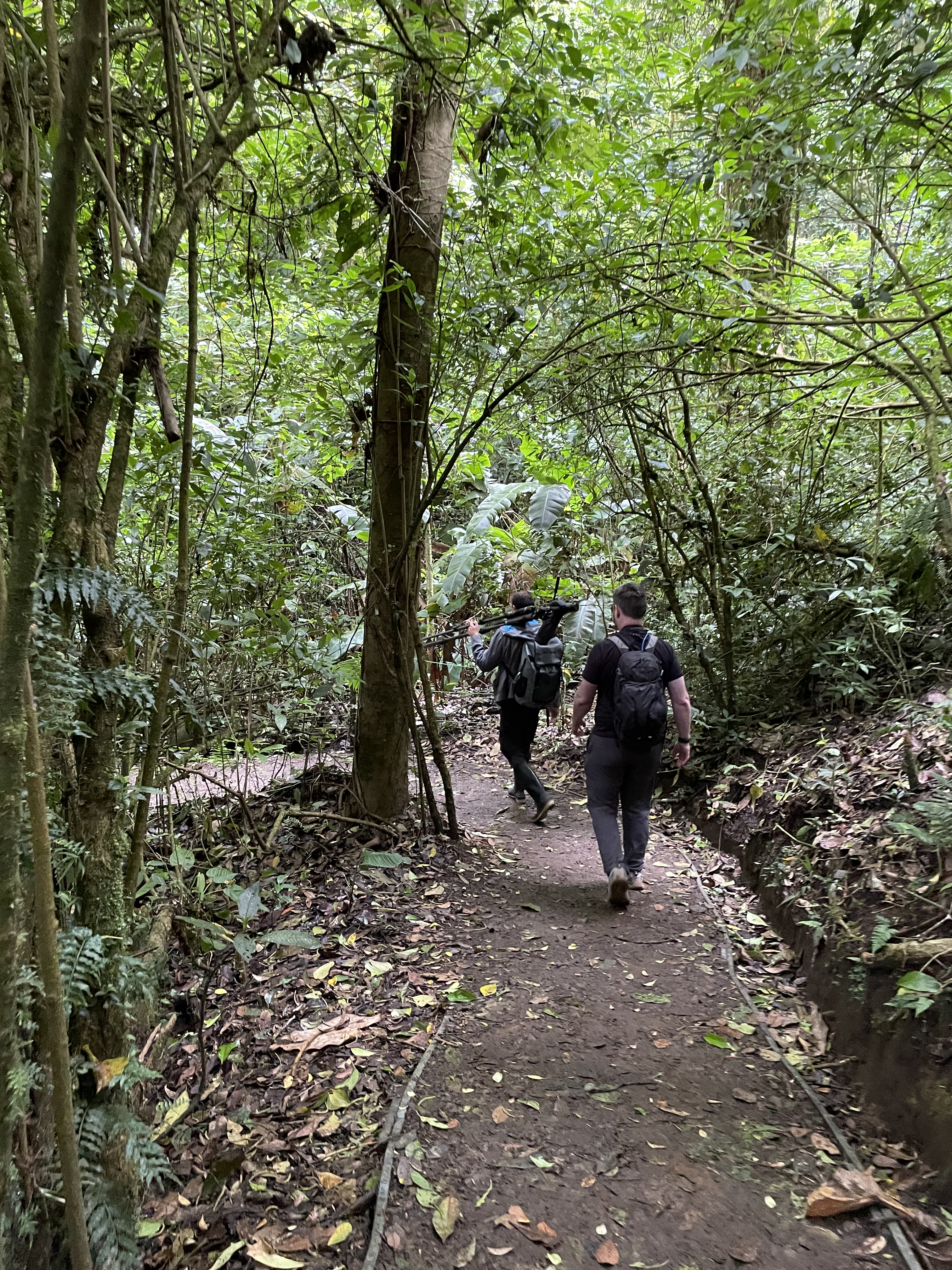
After a few warm, blissful and adventurous days in Osa, it was time to see a different ecosystem and a different part of Costa Rica – up north to the mountains of Monteverde, and Costa Rica’s famous cloud forests. After a very bumpy ride (literally bumpy, over rough dirt roads studded with rocks – an adventure!) we arrived at our hotel in Monteverde looking forward to a fun adventure the next day.

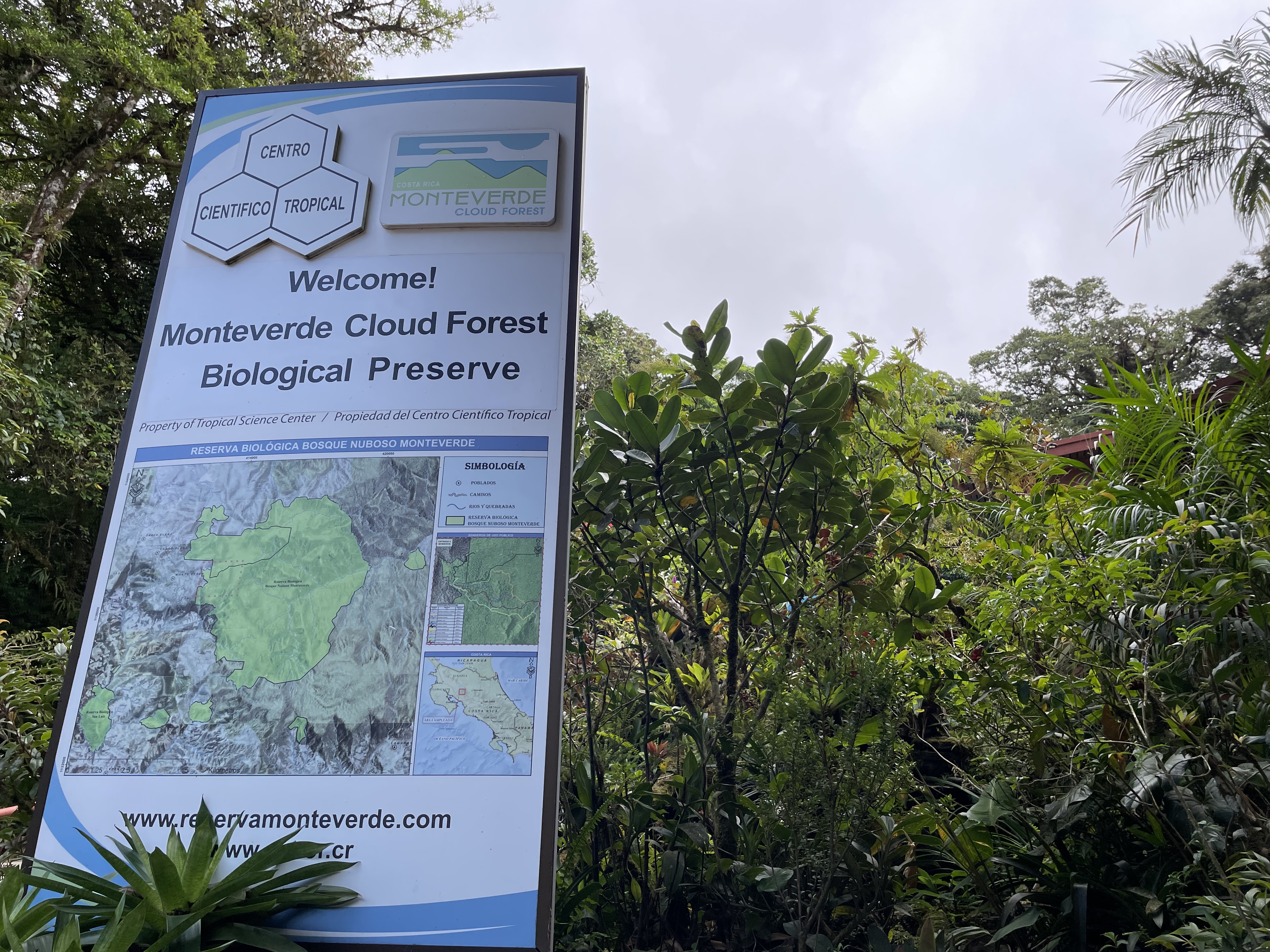
Steve had booked a private guide to take us through Monteverde Cloud Forest Reserve and Reserva Curi-Cancha.

Ready to spot some birds!

Our guide, Felix, asked us about our goals for the day. We told him we were avid birders and would be excited to see as many birds as we could, but that we were especially keen – like everyone – to see the resplendent quetzal (not the national bird of Costa Rica, but one of the most famous avian residents of the country).

Hiring a private guide was well worth it – can’t recommend highly enough. Felix knew the cloud forest like the back of his hand, and was able to point out more birds than we could have imagined in our wildest dreams. By way of just a few highlights…
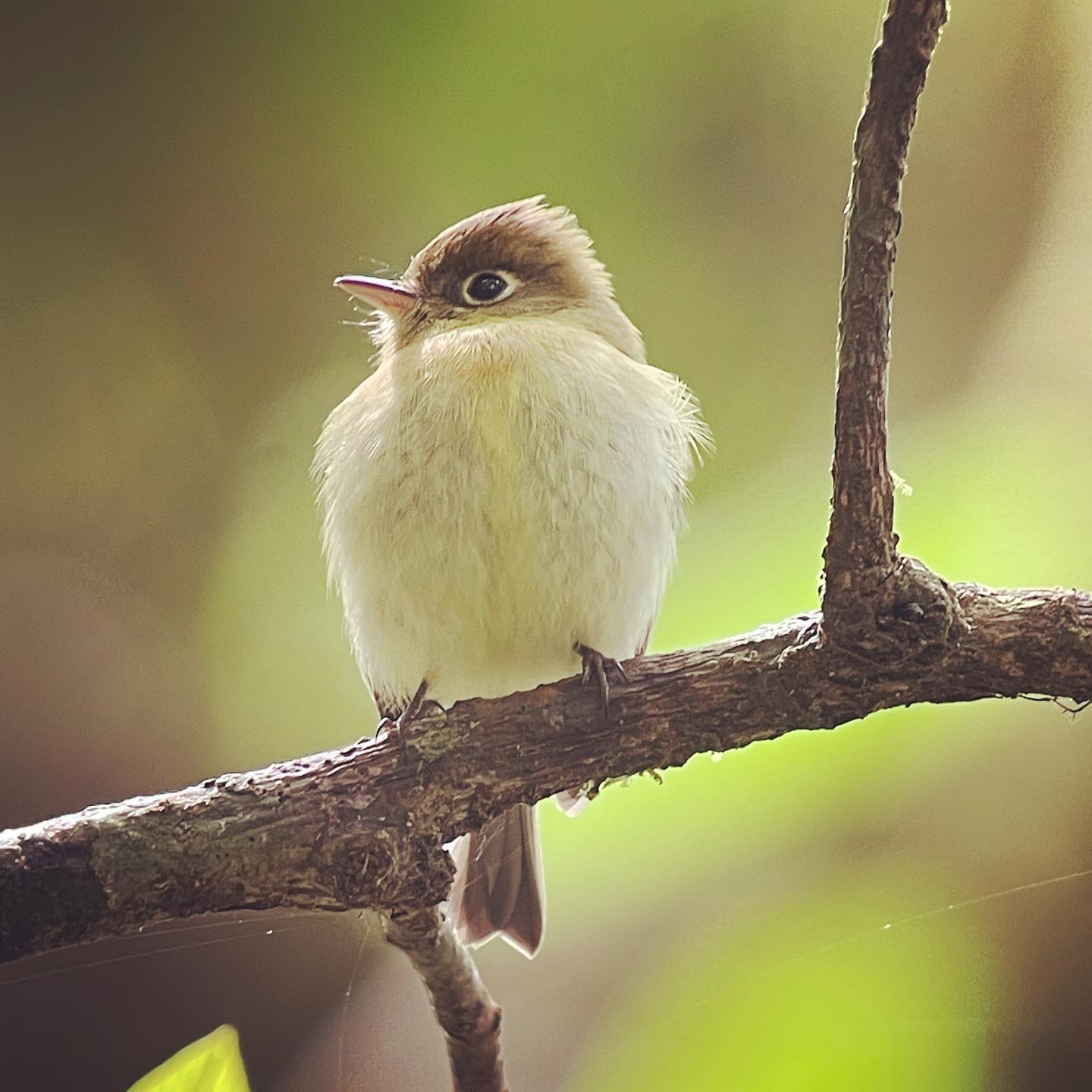
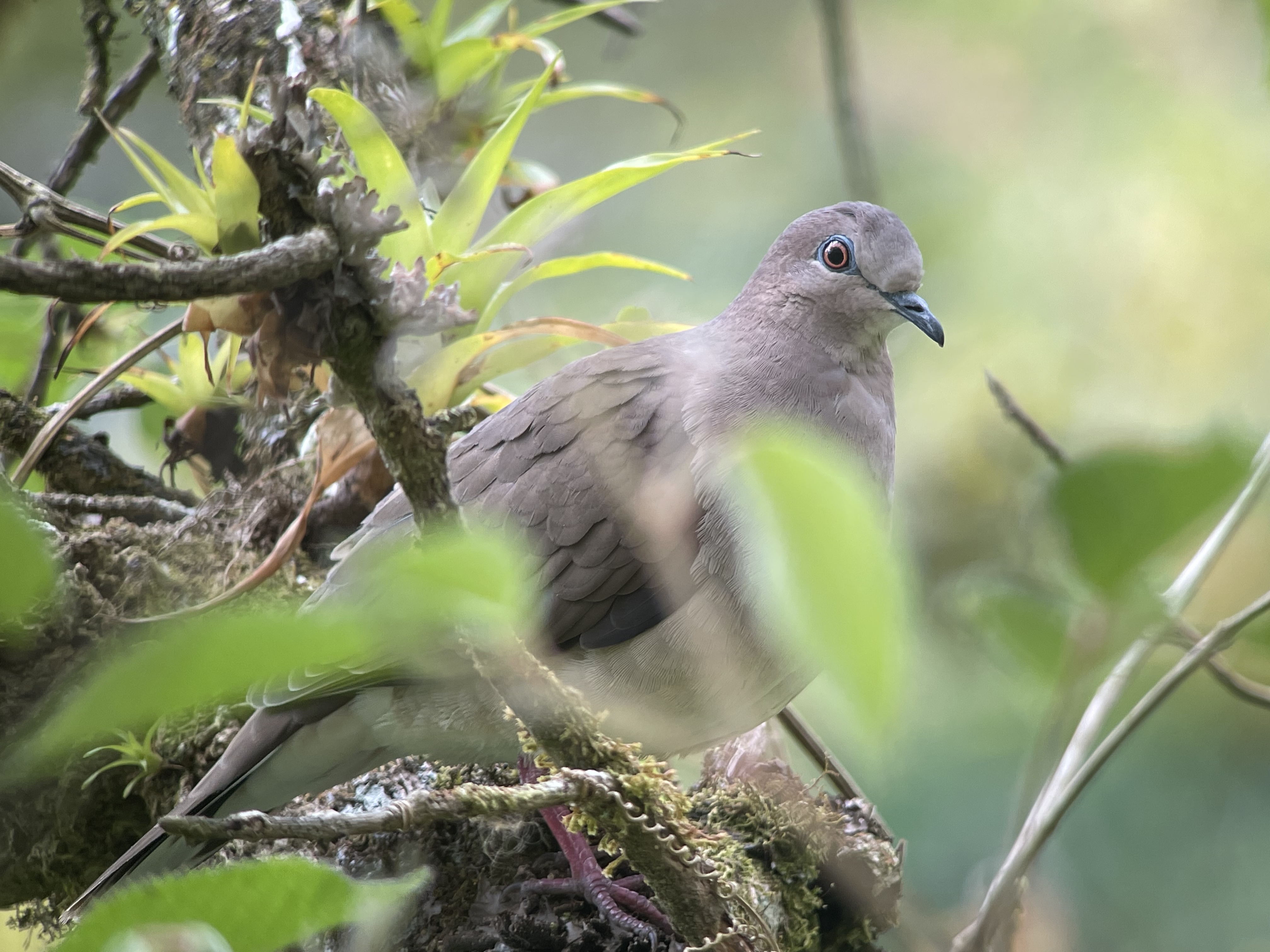
I can’t remember exactly what these two were (have it written down somewhere). I think of them as Yellow and Brown Fluffball and Some Kind of Dove.
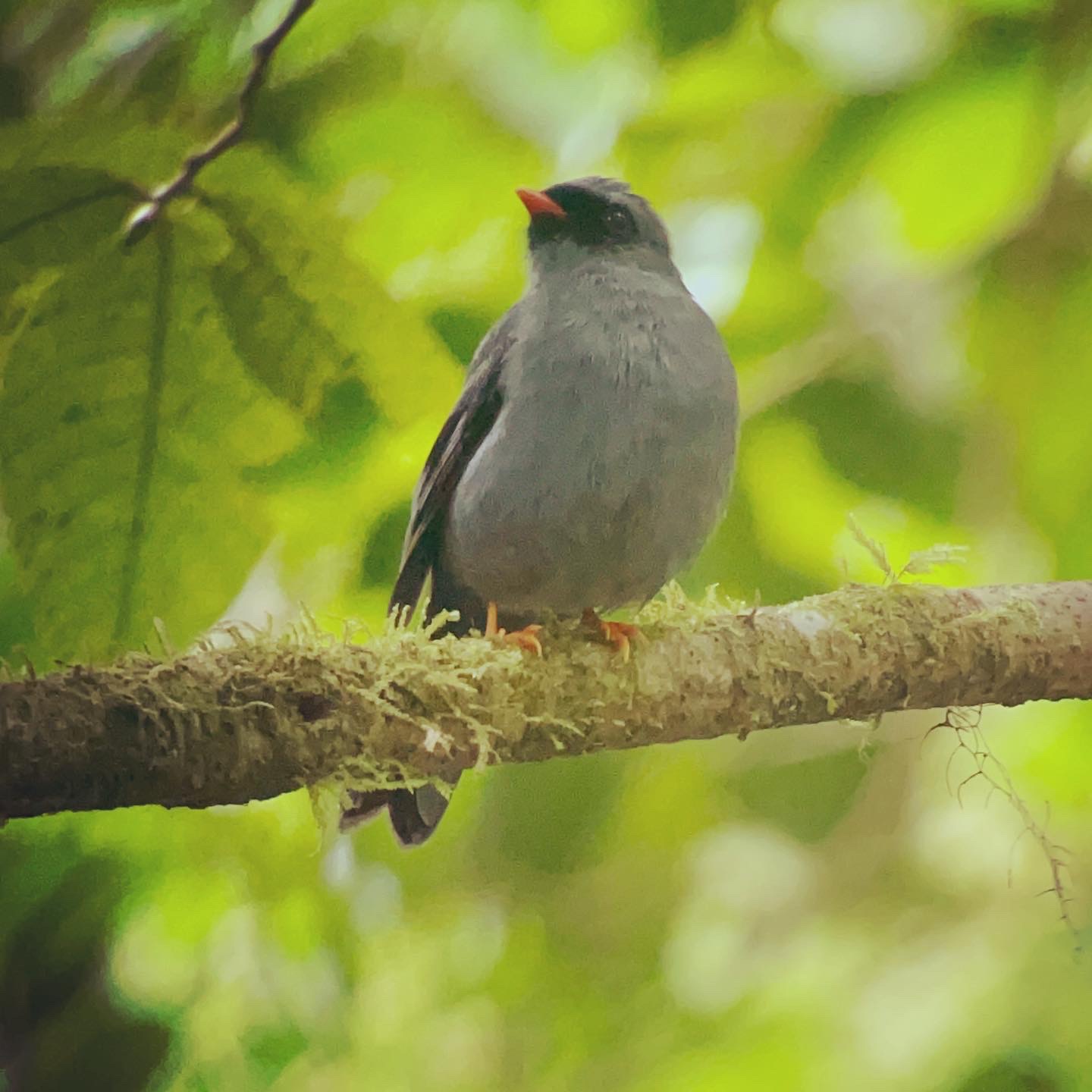
This is a black-faced solitaire – this bird was one of Steve’s favorites of the entire trip. It had an absolutely beautiful, haunting song.
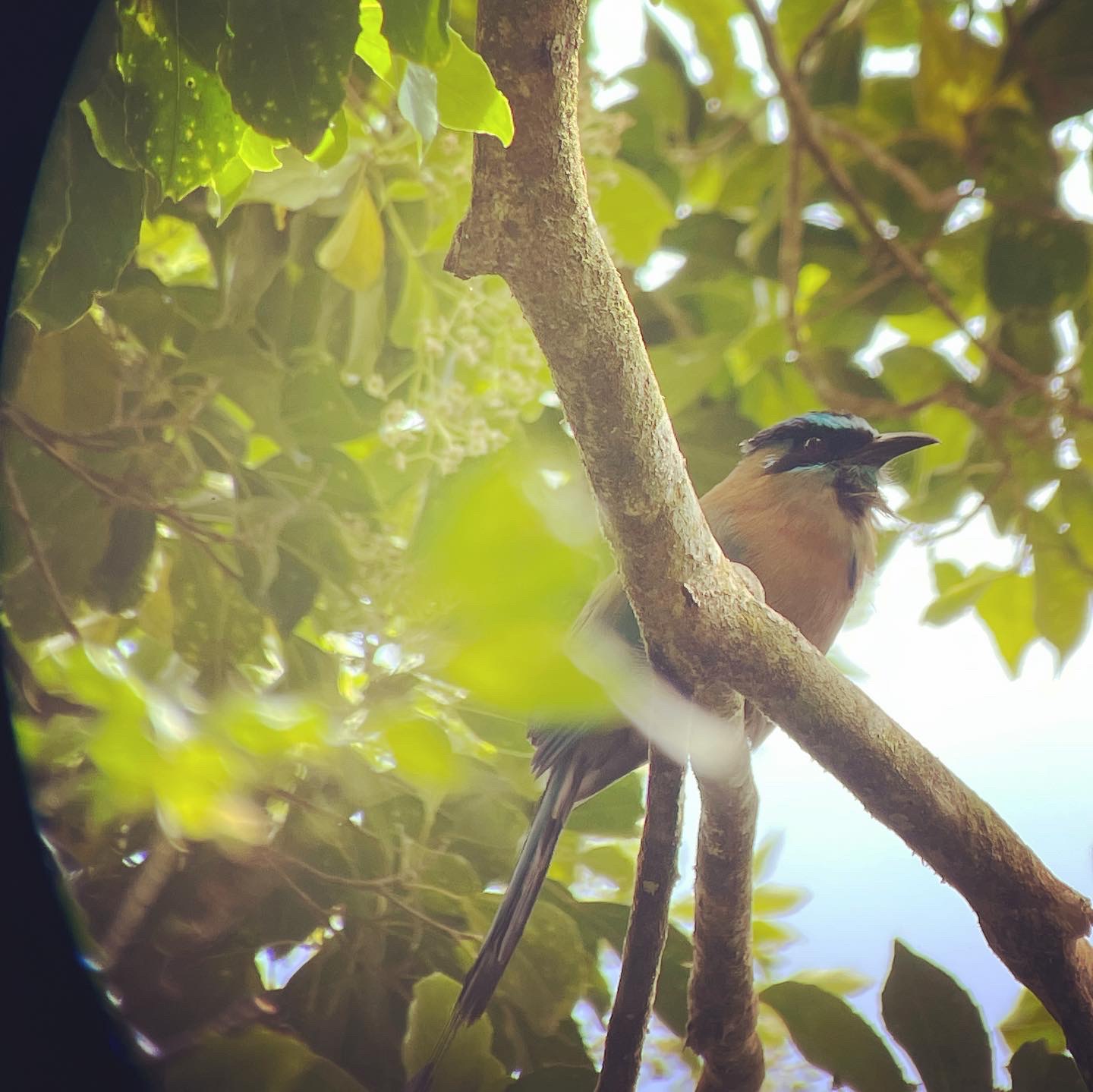
Lesson’s mot-mot. This picture does it no justice – the colors were so vibrant.

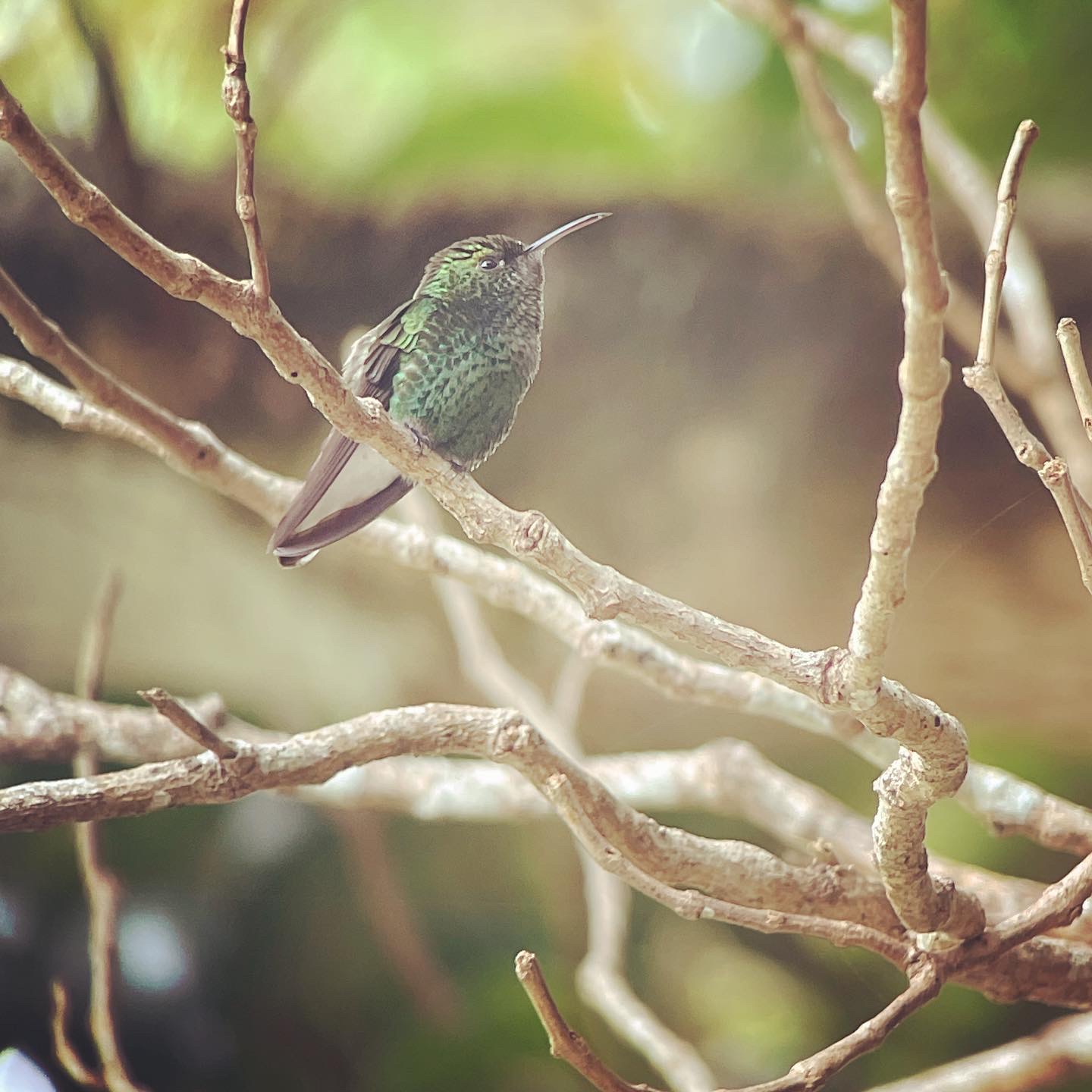
Costa Rica has dozens of species of hummingbirds. We saw them every day, and it never got old – and never got boring to try to identify the different species. This one is a coppery-headed emerald hummingbird, a species that is endemic to Costa Rica. I couldn’t get over the colors of its feathers – like a little jewel.

We saw the hummingbirds all over the park, but the park also had a hummingbird garden – a little courtyard with multiple hummingbird feeders scattered around. There were at least five different species of hummingbirds (probably more) zooming around. SO cool.

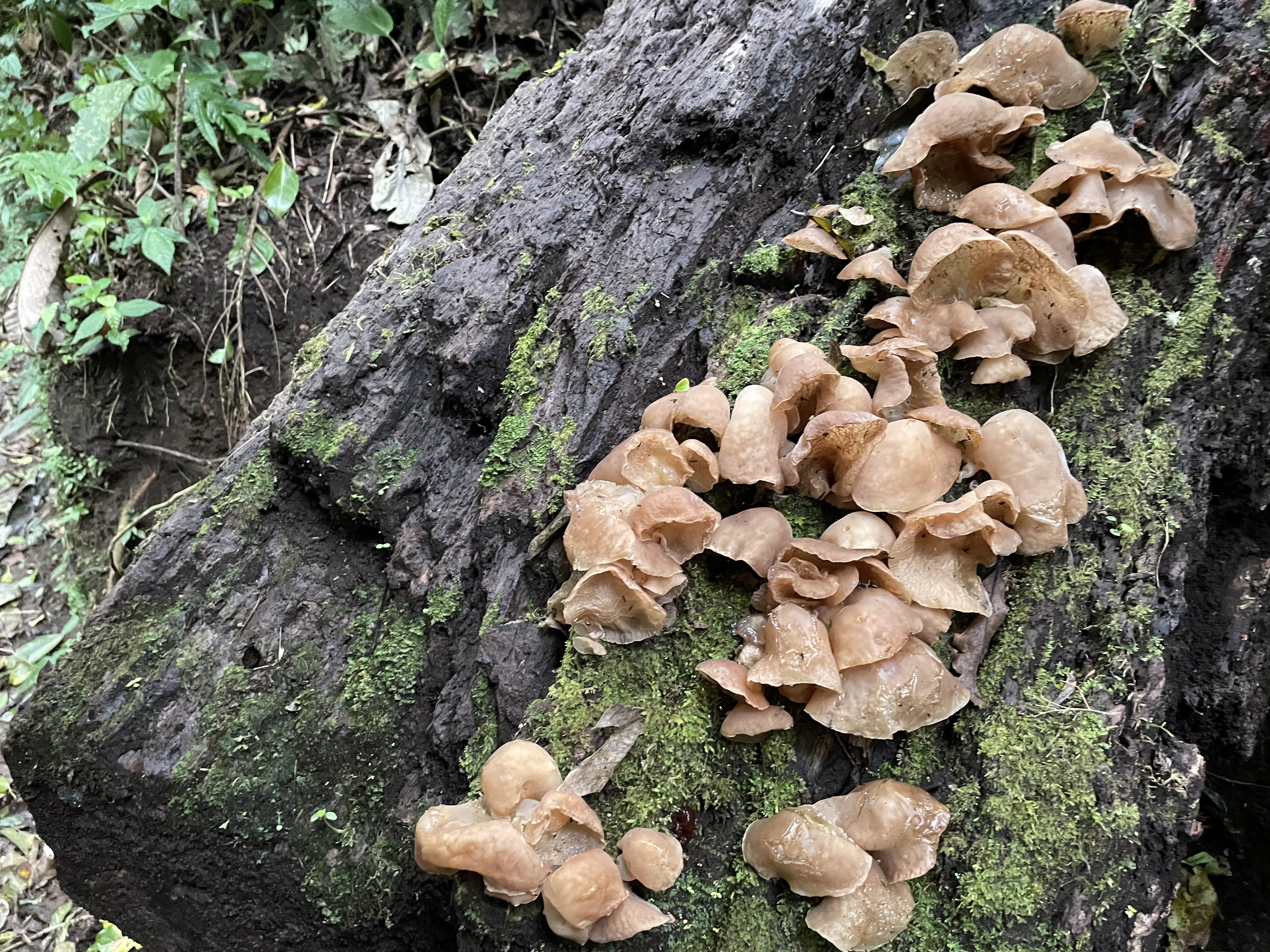

Felix showed us the highlights of the park on a macro – waterfalls! – and micro – cool tree fungus! – scale. And he pointed out coffee beans (far right, above) which was very cool to see, as fans of good coffee.
All right, all right. I know what you want to know: did we see the quetzal? Early in our hike around the park, Felix stopped short and called our attention to a sound off to our right – the quetzal’s call! We scurried from path to path (very grateful that Felix knew the park so well, because we would have been hopelessly lost) trying to figure out where the quetzal might be. At one point, after the call seemed to have moved from our right to left, Felix groaned, “That quetzal is playing with us.” Finally, we spotted:
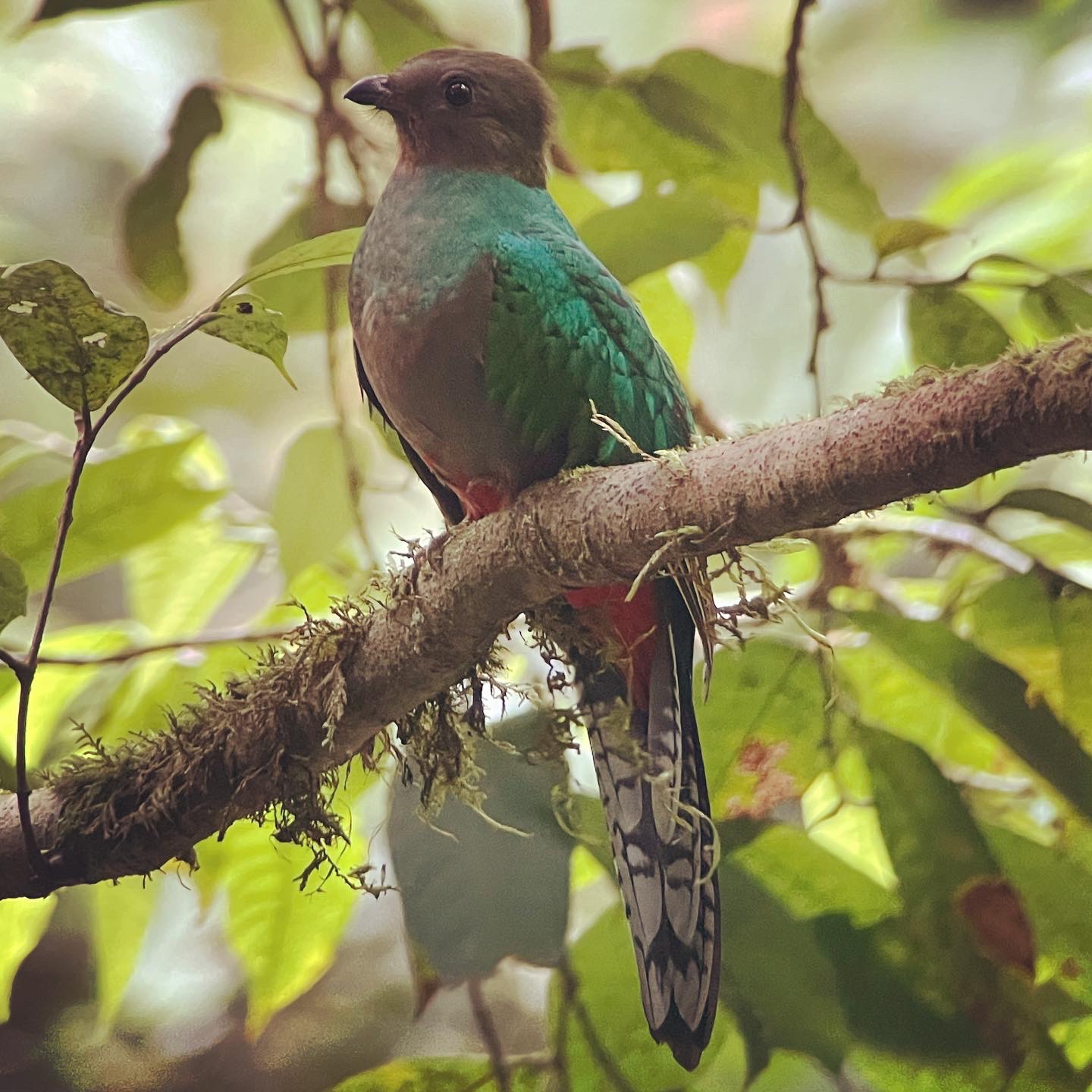
The quetzal was a female. I was bowled over by how beautiful this bird was – the striking black and white tail feathers, the shimmering green wings, the flash of red belly, and the beautiful black eyes, so gorgeous. We gazed at her through Felix’s scope, taking it in turns to look through the viewfinder and jump up and down.
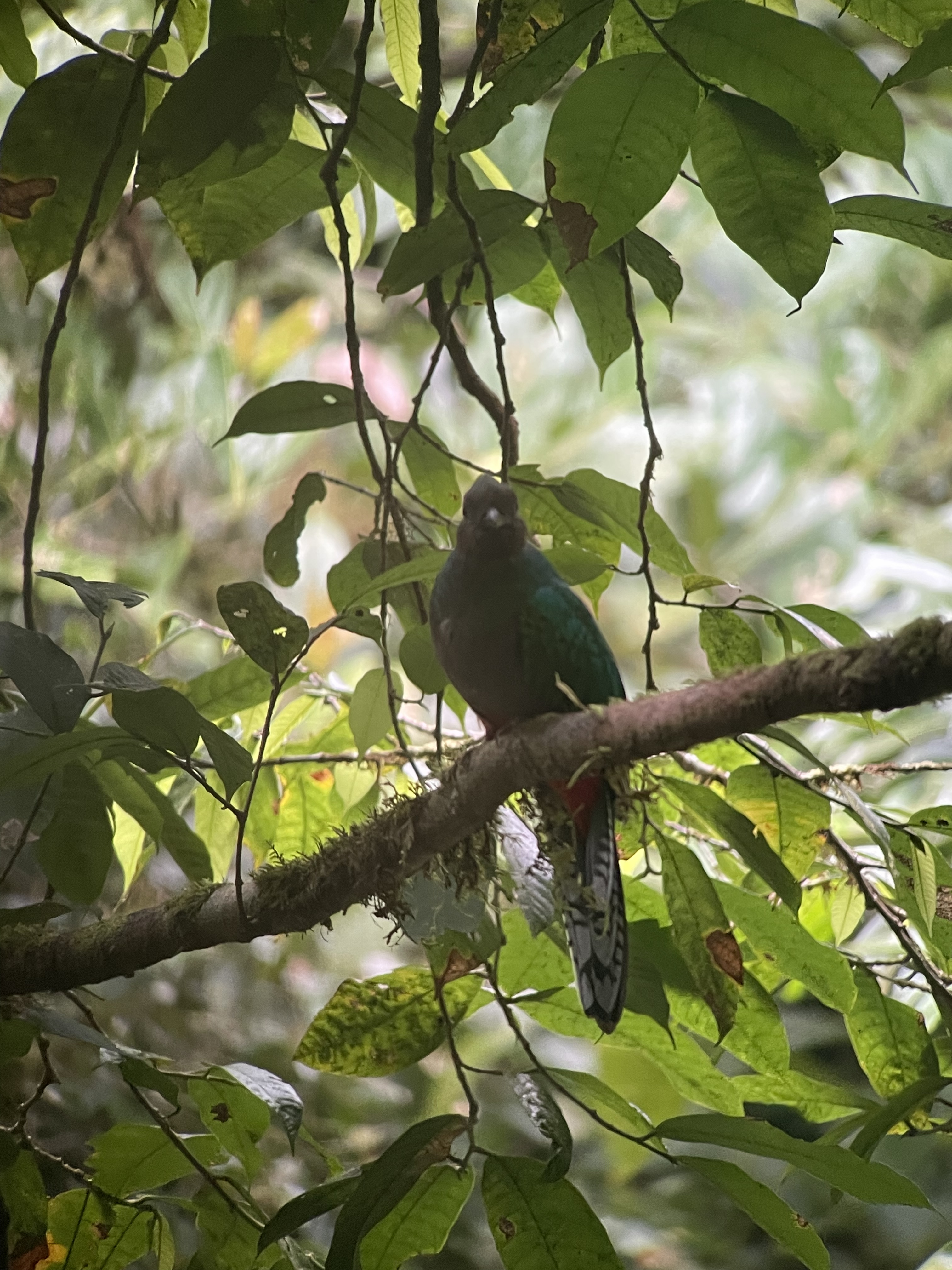
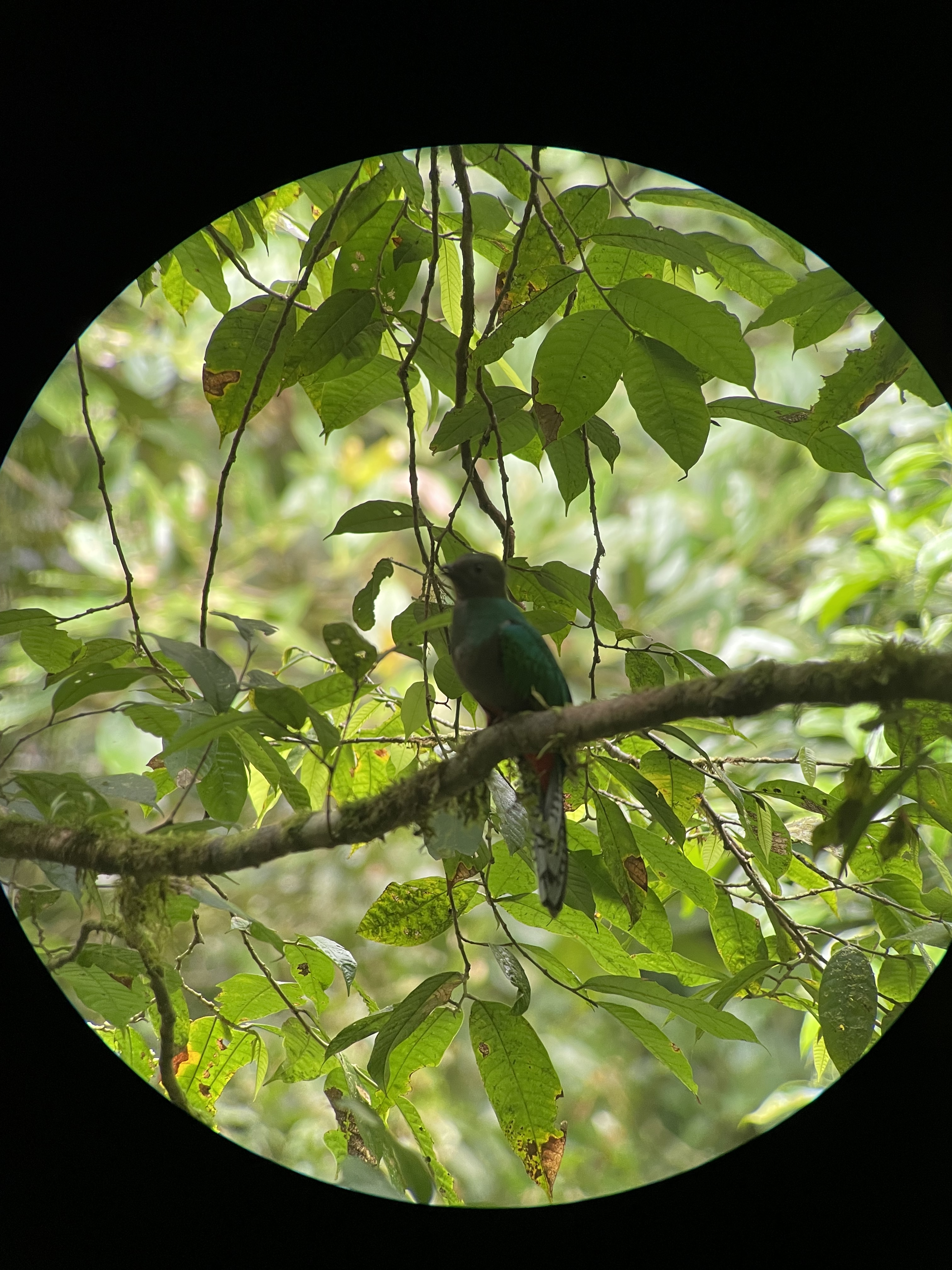
As exciting as it was to see the female quetzal – and we assured Felix that we were happy with her – he assured us that the male was even more spectacular, and we kept looking for him. (At one point we thought this female might be joined by a male we heard calling nearby, but apparently he already had a girlfriend.) We continued dashing around looking for a male quetzal and finally…

A male quetzal! Or at least, a male quetzal’s butt. We set up the scope and patiently waited for him to shift position.

Getting there…
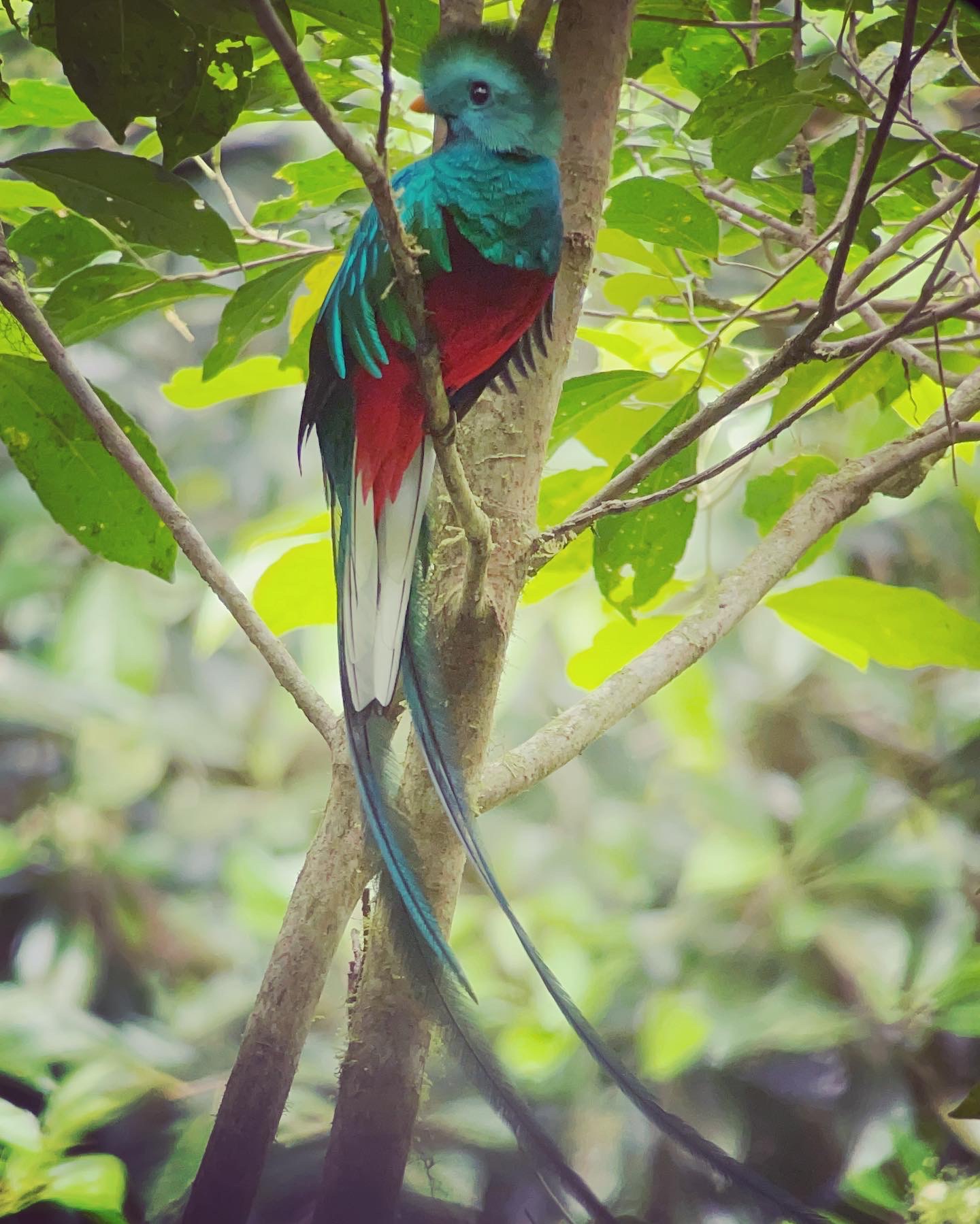
There we go! That’s the glamour shot we were waiting for. Have you ever seen a bird like this?! I was staggered.
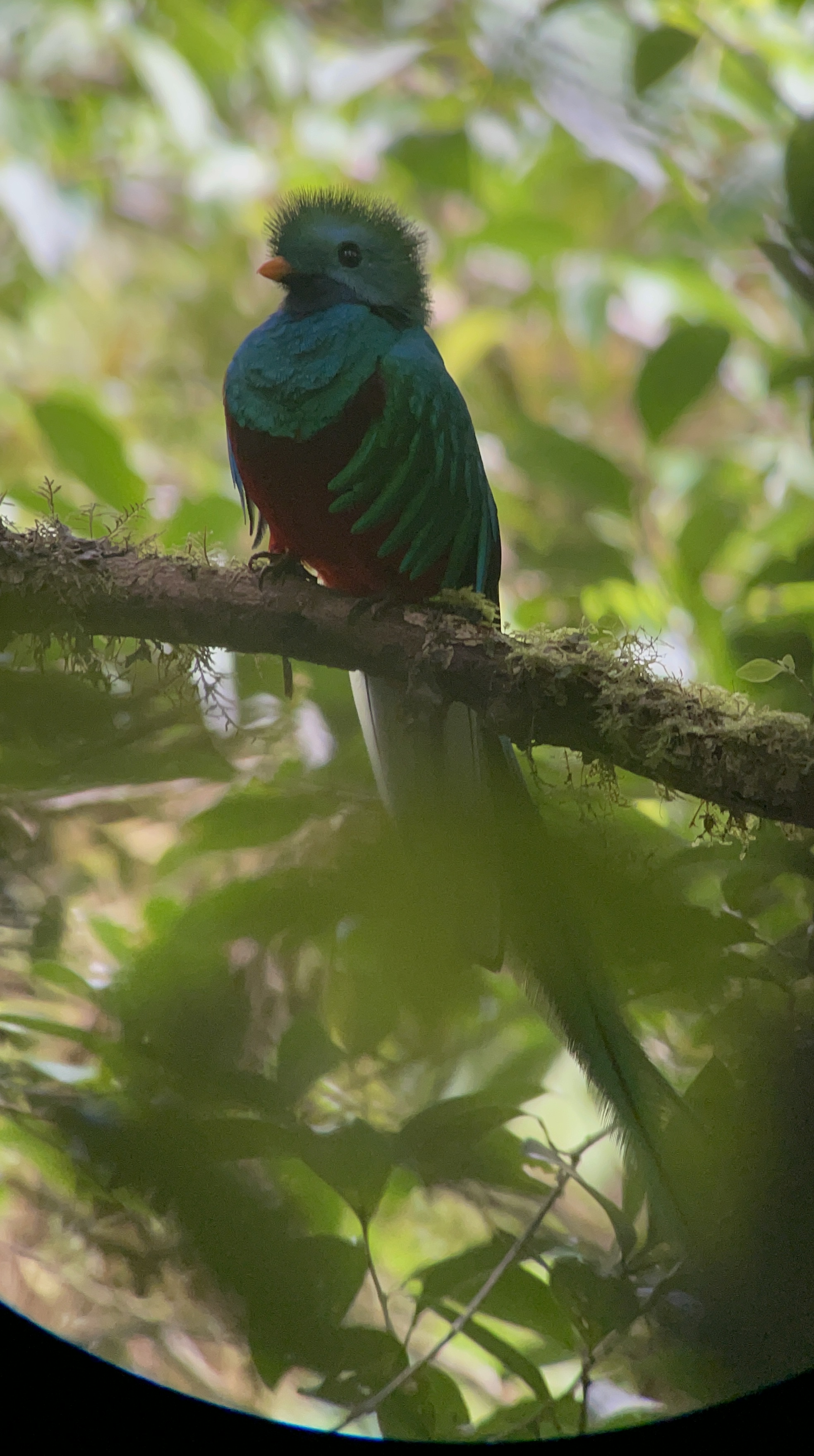
We actually saw a second male quetzal later in the day – lucky, lucky indeed! Everything that we found so spectacular about the female quetzal was dialed up to eleven in the male.

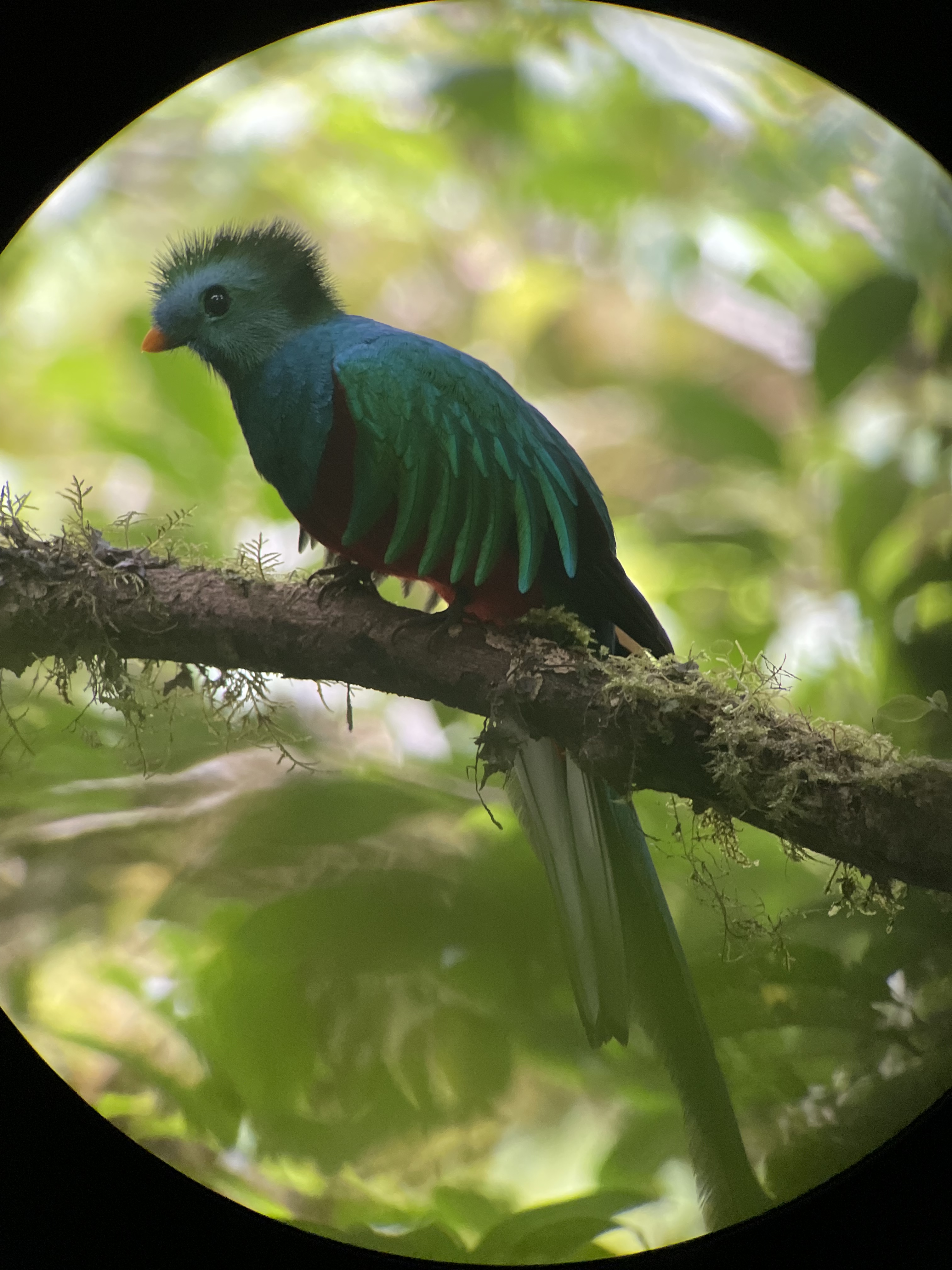
What a morning! And this was just the first half of our day – we headed off to grab lunch with Felix (traditional Costa Rican plates at the park cafe, so delicious) and then off to our afternoon destination, walking on air after our encounters with the famous resplendant quetzals.

What’s the coolest bird you’ve ever seen?
 covered in flour
Pingback: Costa Rica 2022: Reserva Curi-Cancha – covered in flour