
It’s Women’s History Month, which I always love – while I’m down for celebrating the contributions and successes of women any old time, it’s particularly fun when women’s lives are at the forefront of the conversation and on everyone’s minds. I love seeing the Women’s History Month display in the window of Hooray for Books!, my local indie that I walk past every day, and I enjoy fitting my month’s reading around this cultural conversation. Fiction and nonfiction books about women are always a focus of my reading, in any month, and I love delving into women’s lives at different periods in history – but today I want to talk specifically about women’s lives during a time period that interests me especially: World War II.
 Home Fires: The Women’s Institute at War, 1939-1945, by Julie Summers (also published as Jambusters) explores the significant role British women played on the Home Front as they organized into local Women’s Institutes for the purposes of serving, learning, and socializing. The Women’s Institute movement started as a flicker, but soon caught fire, with local WI groups forming in almost every community. Interest and participation in the WI movement went up to the very highest levels of society: Queen Elizabeth (later to become The Queen Mother) was an honorary chair of the Windsor branch of the WI. While the WI was best known for their efforts at food preservation – especially jam-making – which made a substantial difference during the long years of rationing and food shortages, they were heavily involved in all sorts of war efforts and provided a natural mechanism for women who were not employed in wartime industries or involved in the armed forces to pool their skills and make a difference.
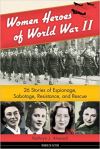 Women Heroes of World War II: 26 Stories of Espionage, Sabotage, Resistance and Rescue, by Kathryn J. Atwood is technically a young adult title, although it has appeal to every age group. I happened across it in my library while looking for books about Marie-Madeleine Fourcade, a heroine of the French Resistance (this was before the publication of Madame Fourcade’s Secret War, which I own but have not yet read). Madame Fourcade is profiled in Women Heroes of World War II, but so are twenty-five other women, of every age and nationality, whose acts of courage helped to win the war. Daring women took great risks to rescue fugitives from the Nazis, carry messages to the Allies, sabotage Axis efforts, and more. In this age of political disaffection and polarization, it’s refreshing and bracing to read about women who banded together, often at great personal risk, to do what is right.
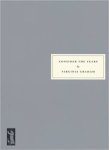 Consider the Years, by Virginia Graham, offers a contemporary perspective on the war years – and the long drab decade that followed – through a different lens: poetry. Graham was a well-off young woman when the war began, and evacuated with her family to avoid the danger of living in London during the Blitz. She writes movingly of daily life; I featured my favorite poem from this slim Persephone-published collection, Evening, in a Poetry Friday post during 2018’s National Poetry Month. (Still love that one, with its evocative depiction of office workers lined up for a bus, collars turned up against a cold and damp evening, spirits yearning for home.)
Women have contributed meaningfully in every time period, of course. But there is something particularly fascinating about the role of women during World War II – at least, there is to me. Those years were a bellwether for women’s greater inclusion and expansions of social and economic freedoms; once peace was achieved, there was no going back to the way things were in the interwar years and before.
What historic time periods are especially interesting to you?
 covered in flour
Thanks for this list! Samira loves wartime fiction and nonfiction. Women Heroes of World War II sounds perfect for her.
I think she’ll be fascinated by it! Each profile was just a few pages long and included photographs of the women. I found it really interesting!